Role : artiste
Didde Bourp Larsen
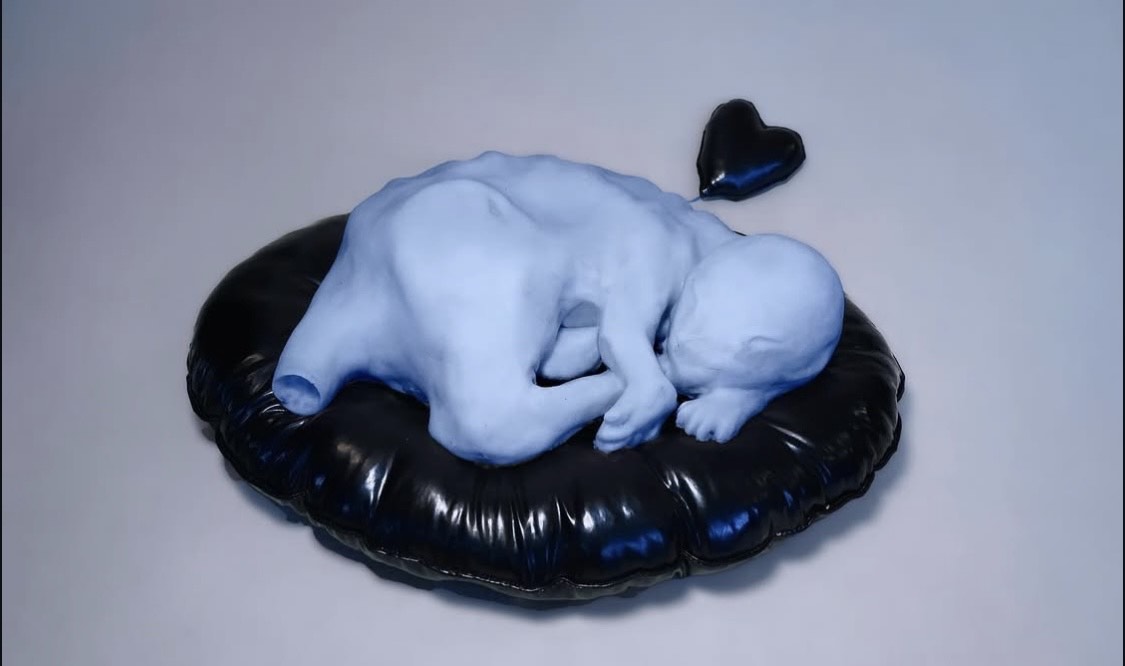
Didde Bo (b. 1997) is a multidisciplinary artist, born on the west coast in Denmark, working at the intersection of performance and speculative technology. They are currently pursuing their MFA at the Institute Art Gender Nature, Basel Academy of Art and Design FHNW.
Their recent research explores singing as a resonant extension of the body – an energetic act that opens cyclic time through the vibrational impact of sound waves. These acts can be archived by drawing, both physically and digitally. Their performances are relational and unfold in caring interactions between mythical entities from a wounded womb. They sing both to destroy and regenerate.
In addition they work in collaborative projects such as SWITCH collective and Collective Heartbreak.
Soraya Oriana Blumer
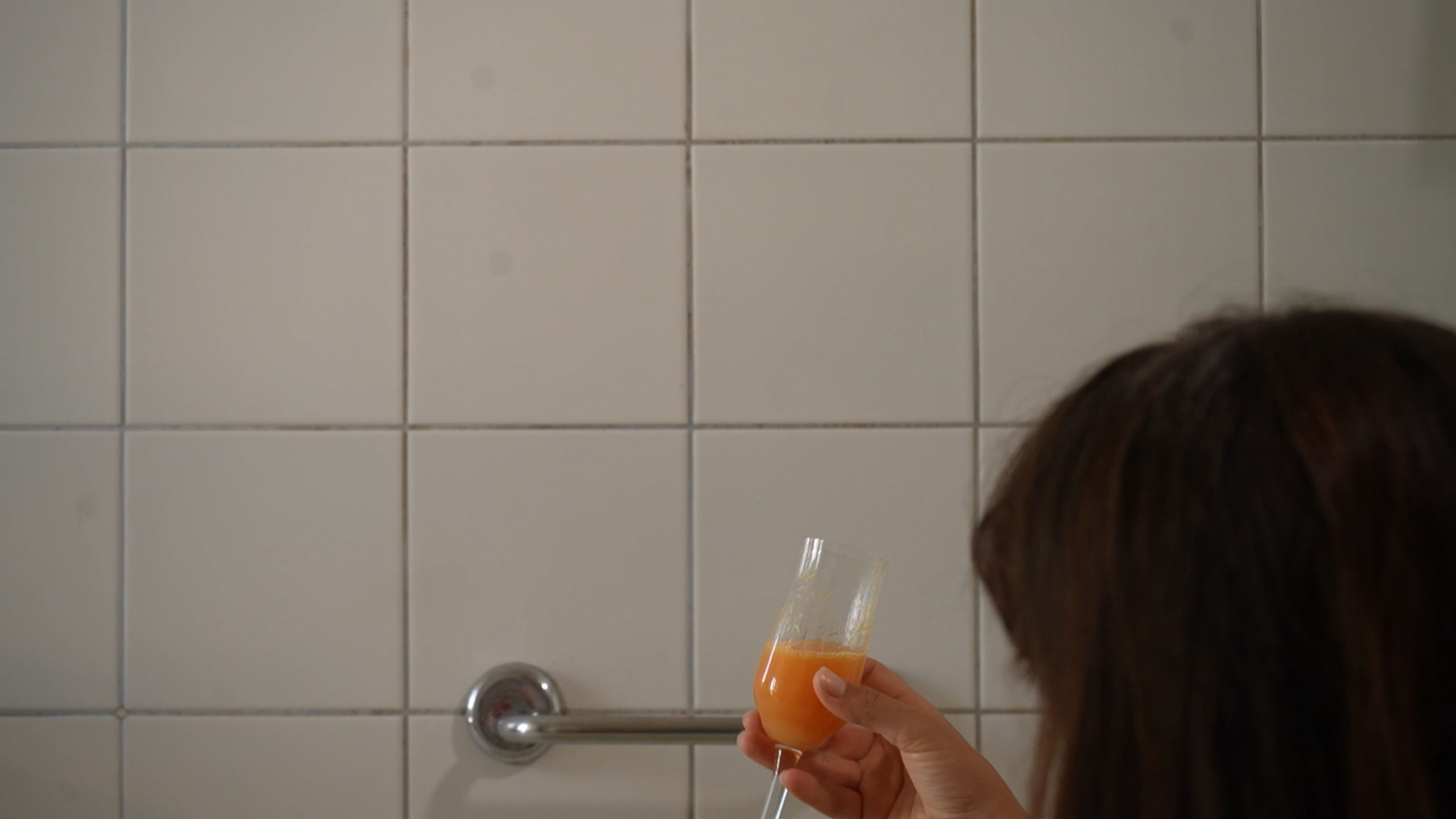
I like to say that I choose the medium based on what I want to express and not the other way round. Over the years a pattern started cristallising: I start off with text, drawings, photography as research and end up with an immersive scenery, be it an interactive installation, a short film or a party setting. I would locate big part of my practice along feminist revisitations of Bourriauds relational aesthetics, as an act of care and community interventions. Formally I like clear composition, defined edges and monocromatic surfaces as well as polished, glossy and soft materials.
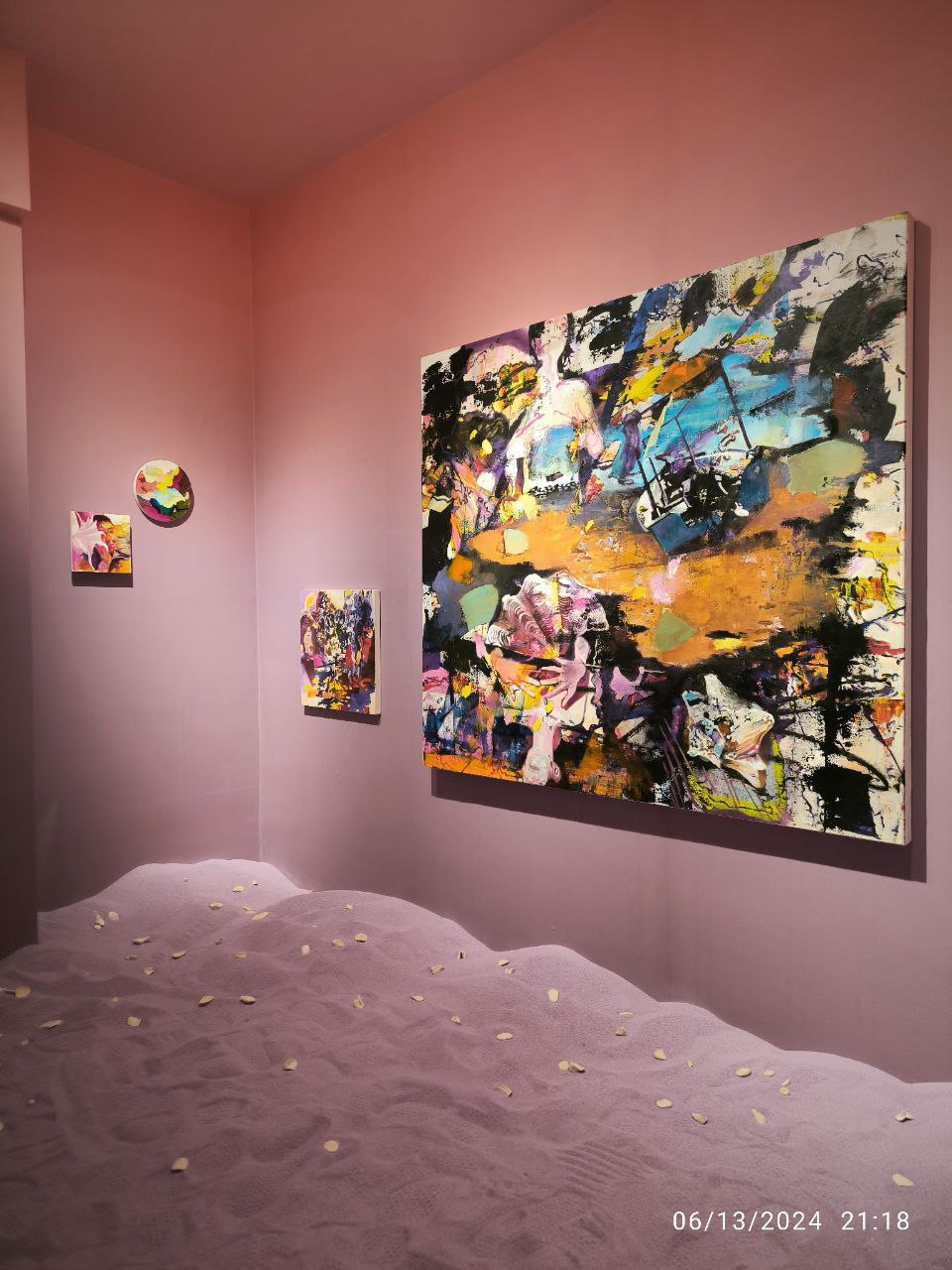
Zanbagh Lotfi
A reflection on painting, displacement, and identity
As a bystander painter I perceive the world through my experiences in the diaspora, resulting from a combination of displacem ents and mobilities. My
paintings are a collection of images, narratives, emotions and memories that arise from my transitions from one point to another, from translations from
one culture to another, and therefore from encounters with a diversity of spatiotemporal worlds.
My endeavor in my paintings, has been focused on understanding and discovering new relationships with my SELVES and my surroundings. Exactly for this
reason, my paintings prominently feature liminal (in-between) spaces, personal and collective memories, and a sense of timelessness or temporal overlap
(or inter-temporal translation).
In many cases, I use a multilingual
installation to offer the public the possibility of feeling a part of the work.
Mirjam Spoolder
Brenda Dell’Anna
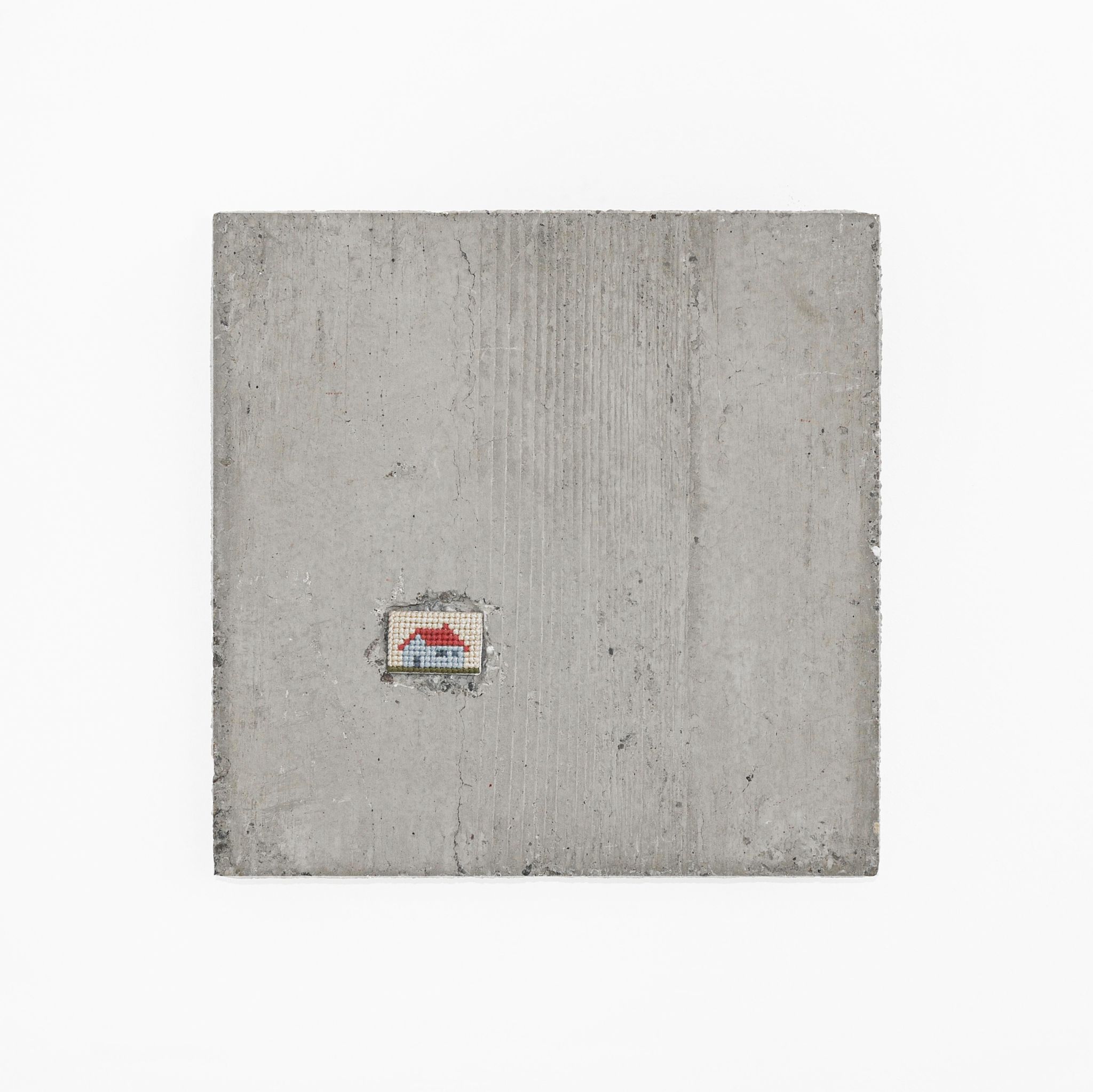
Son travail illustratif, ses créations textiles et son utilisation de matériaux tels que la céramique et le béton créent des dialogues entre des éléments solides et souples. Son travail aborde des expériences personnelle avec sensibilité et oppose un langage visuel délicat à des thèmes marqués par la tension.
Nika Timashkova
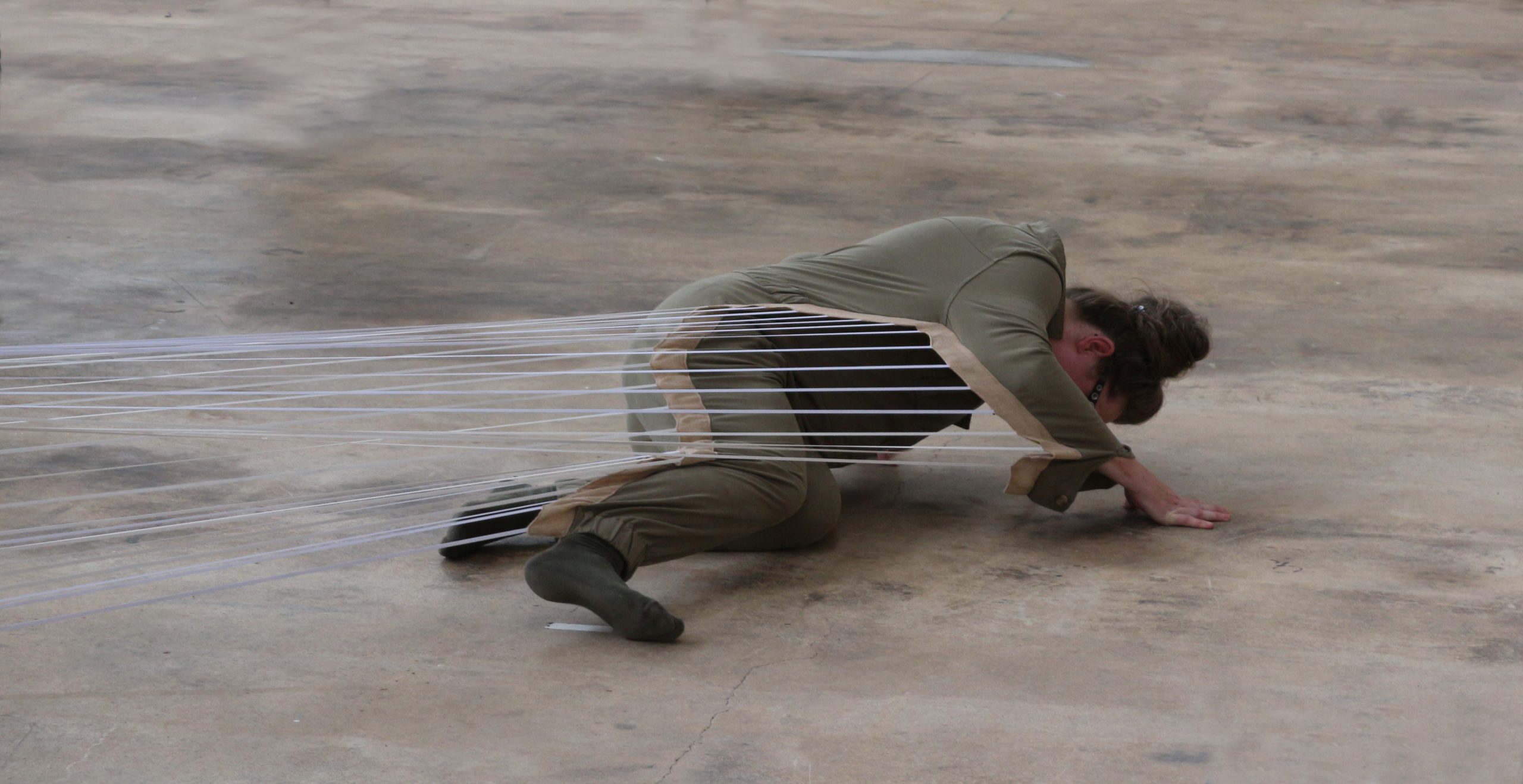
Nika Timashkova (*1989 in Saporischschja, Ukraine) ist eine Multimedia-Künstlerin und Forscherin aus Basel. Sie hat einen BA in französischer Literatur und Linguistik sowie osteuropäischen Kulturen von der Universität Basel und einen Master in Art Practice vom Dutch Art Institute (DAI) in Arnheim, Niederlande.
Emmanuel Joan Ramon Pidré Starosta (1989), auch bekannt als Emma Pidré, ist ein argentinisch-spanischer Künstler, geboren in Buenos Aires, Argentinien, und lebt und arbeitet derzeit in Basel. Er hat ein Diplom in Bildender Kunst von der Weißensee Kunsthochschule Berlin sowie einen MA vom Institut Art Gender Nature / FHNW Basel.
Brenda Dell’Anna (2002, in Basel) ist eine italo-schweizerische Künstlerin, die in Basel und Moutier lebt. Sie hat kürzlich ihren Bachelor in Fine Arts am Institut Art Gender Nature der HGK Basel FHNW abgeschlossen.
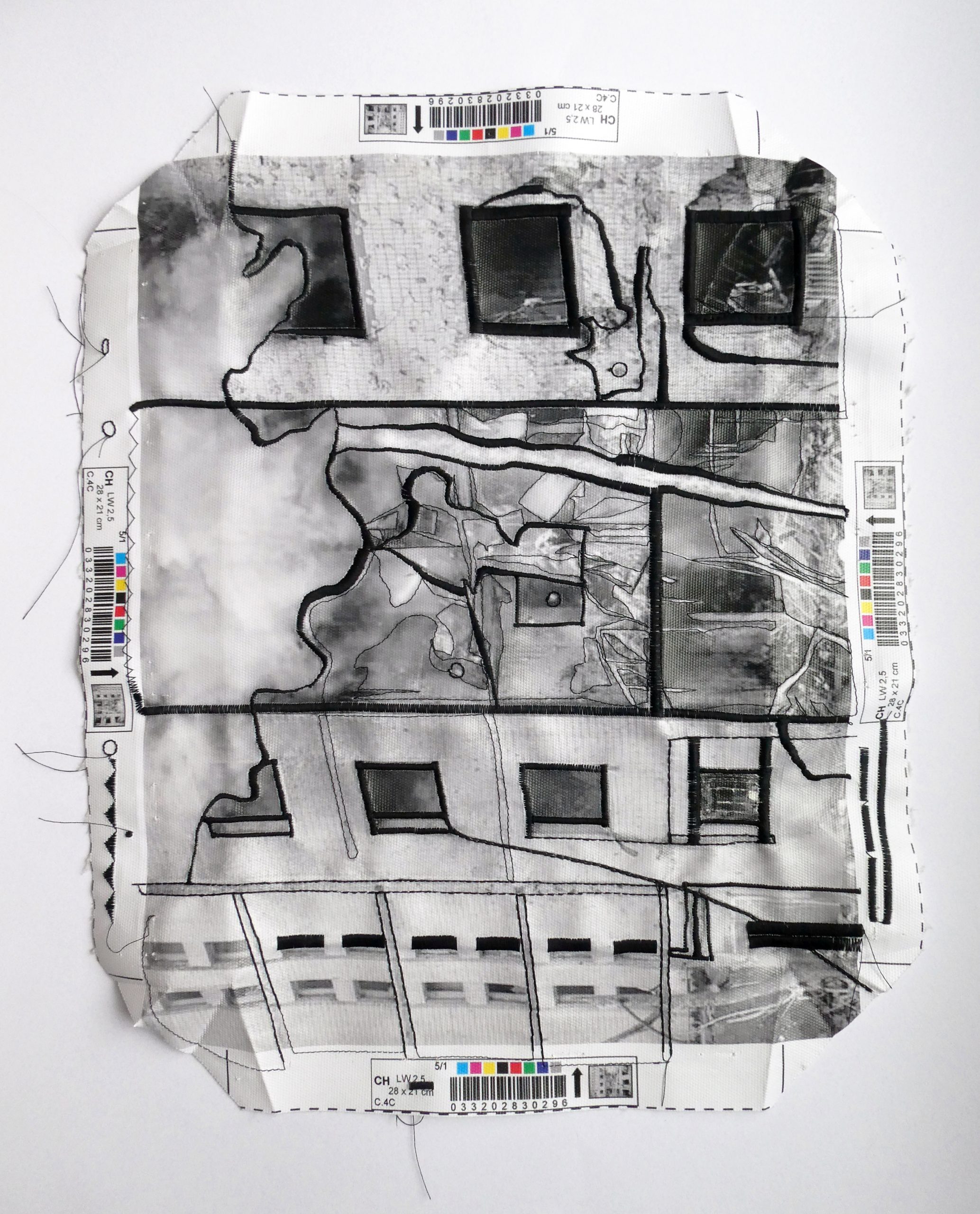
Mirjam Spoolder wurde in den Niederlanden geboren und lebt seit 2007 in Basel, Schweiz. Sie studierte Bildhauerei an der Kunstakademie AKI/ARTEZ in Enschede und Bühnenmanagement am Rotterdamer Centrum für Theater (RCTH), beide in den Niederlanden. 2010 schloss sie ihr Masterstudium der Bildenden Kunst mit Schwerpunkt Performance Kunst an der Hochschule für Gestaltung und Kunst HGK/FHNW in Basel ab.
Raphaëlle Müller
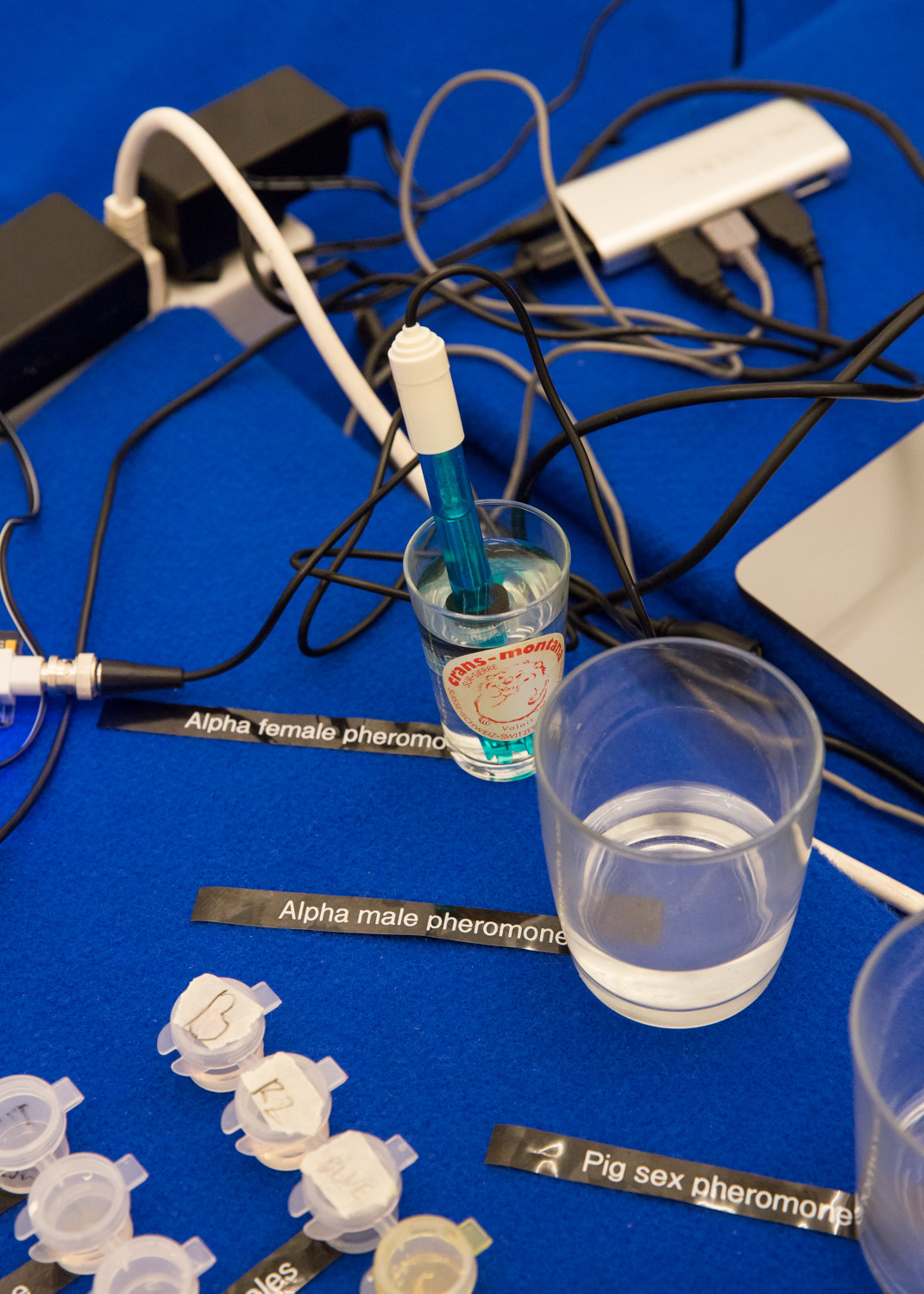
Raphaëlle Mueller est une photographe, artiste et une chercheuse basée à Bâle et à Genève qui inscrit ses travaux dans une pratique pluridisciplinaire. Sa pratique artistique fusionne l’art et la science dans un agenda géopolitique discursif et ses méthodologies exploratoires impliquent des dialogues multilatéraux qui questionnent les relations cachées et spéculatives entre l’écologie, la politique, l’humain et le non-humain. Son travail vise à établir un lien entre les mondes scientifique et non scientifique, notamment dans le cadre de problématiques environnementales. Ses explorations visent donc à appréhender et à comprendre la matérialité toxique de l’Anthropocène/Capitalocène et à tenter de forger de nouveaux liens inter-espèces et inter-médias. Si elle porte une attention particulière à l’image et à ses moyens de production dans ses usage (post)photographiques, elle réalise également des performances, des films, des vidéos et des conférences. Le format original de ses expositions propose des restitutions d’expériences et de recherches au long cours. Il prend aussi souvent une forme évolutive. Ses recherches engagées se situent dans la lignée d’une pensée éco-féministe, et convoquent l’analyse forensique (étude de terrain, analyses de données, statistiques etc.) qu’elle applique à des méthodes et à des expériences artistiques développées en collaboration avec des chercheur-eus-s, biologistes, performeurs-e-s-et bio-hackeur-euse-s. Raphaëlle Mueller travaille aussi avec des matériaux inusuels qui relèvent du vivant (Exogenesis, 2019-2021), des molécules synthétiques (Chemical Charm, 2018), ou des toxiques (T(t)erraforming, 2018). En interrogeant les systèmes de production, en renonçant dans la mesure du possible à engendrer de nouveaux objets et en favorisant le recyclage, elle invite à des réflexions qui résonnent avec une éthique du care (Perspectives on post-capitalist thinking/being, 2021). Elle mène enfin un travail qui met au centre de ses expériences artistiques des processus qui dénoncent l’exploitation de vulnérabilités et invitent à repenser les relations de pouvoir entre les vivants. Elle a exposé dans de nombreux espaces d’art et festivals.
Simon Krebs
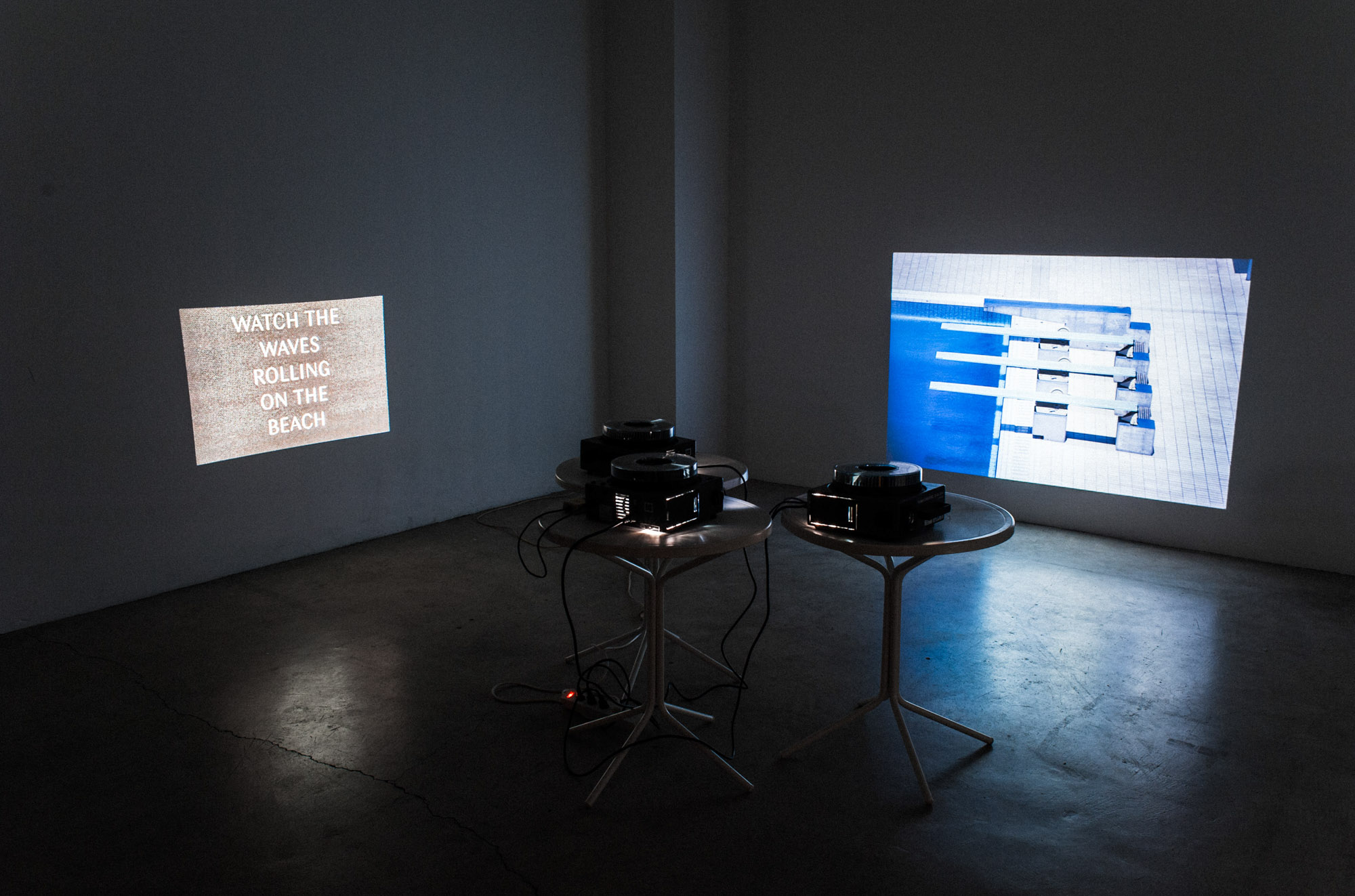
Simon Krebs arbeitet mit Fotografie, Film, Animation, Zeichnung und Musik.
Er produziert Ausstellungen, Filme, Musikvideos, Bücher und kooperiert gerne mit Musiker:innen, Autor:innen oder Mode-Designer:innen. Seine Arbeit zeichnet sich durch ein starkes Interesse für Menschen oder deren Fehlen, des Menschen Umgebung und Tätigkeit aus. Scheinbar alltägliches offenbart in Krebs’ Arbeit eine eigentümliche Magie oder ein humorvolles Gruseln.