Linus Finn Riegger

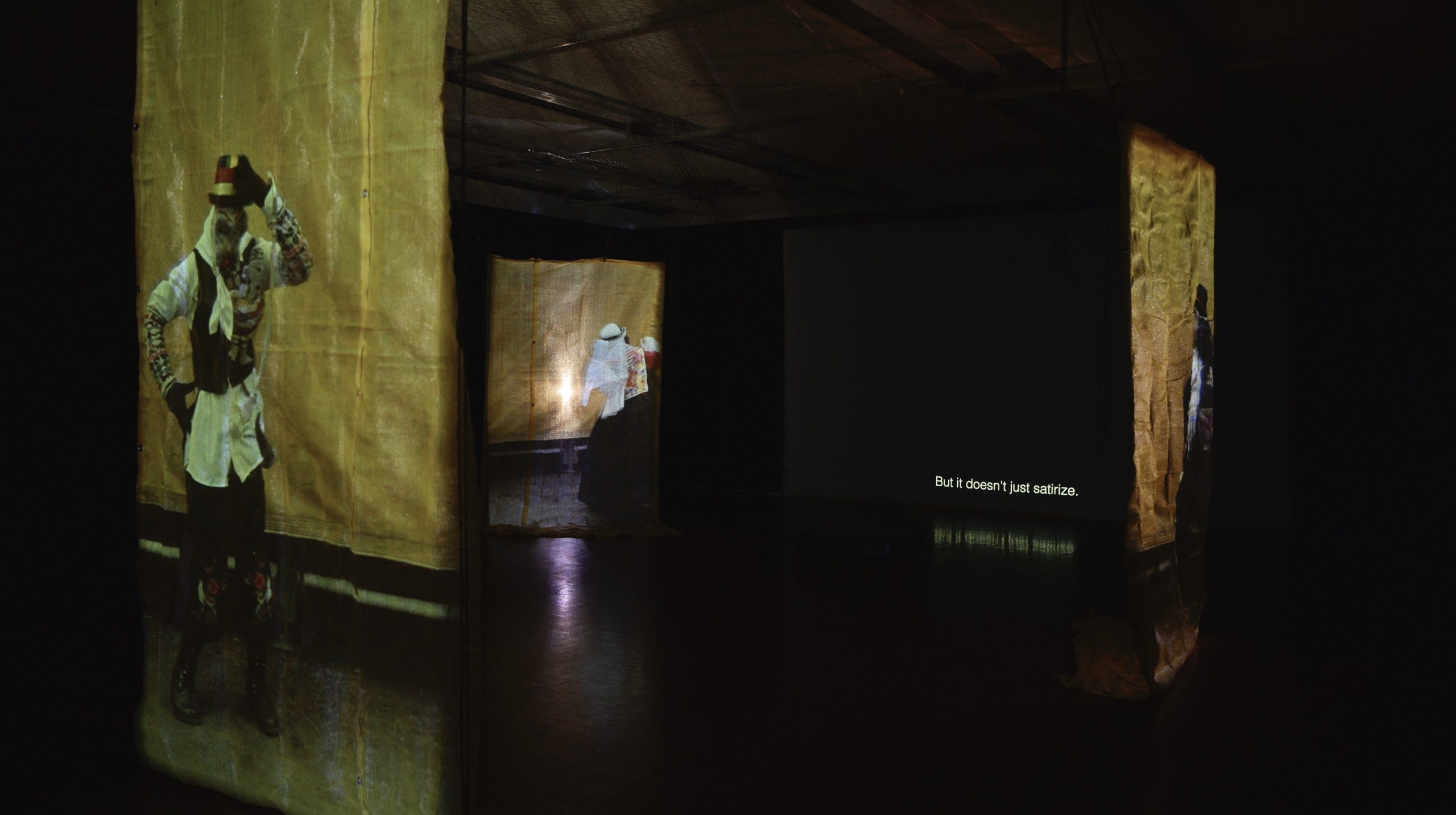
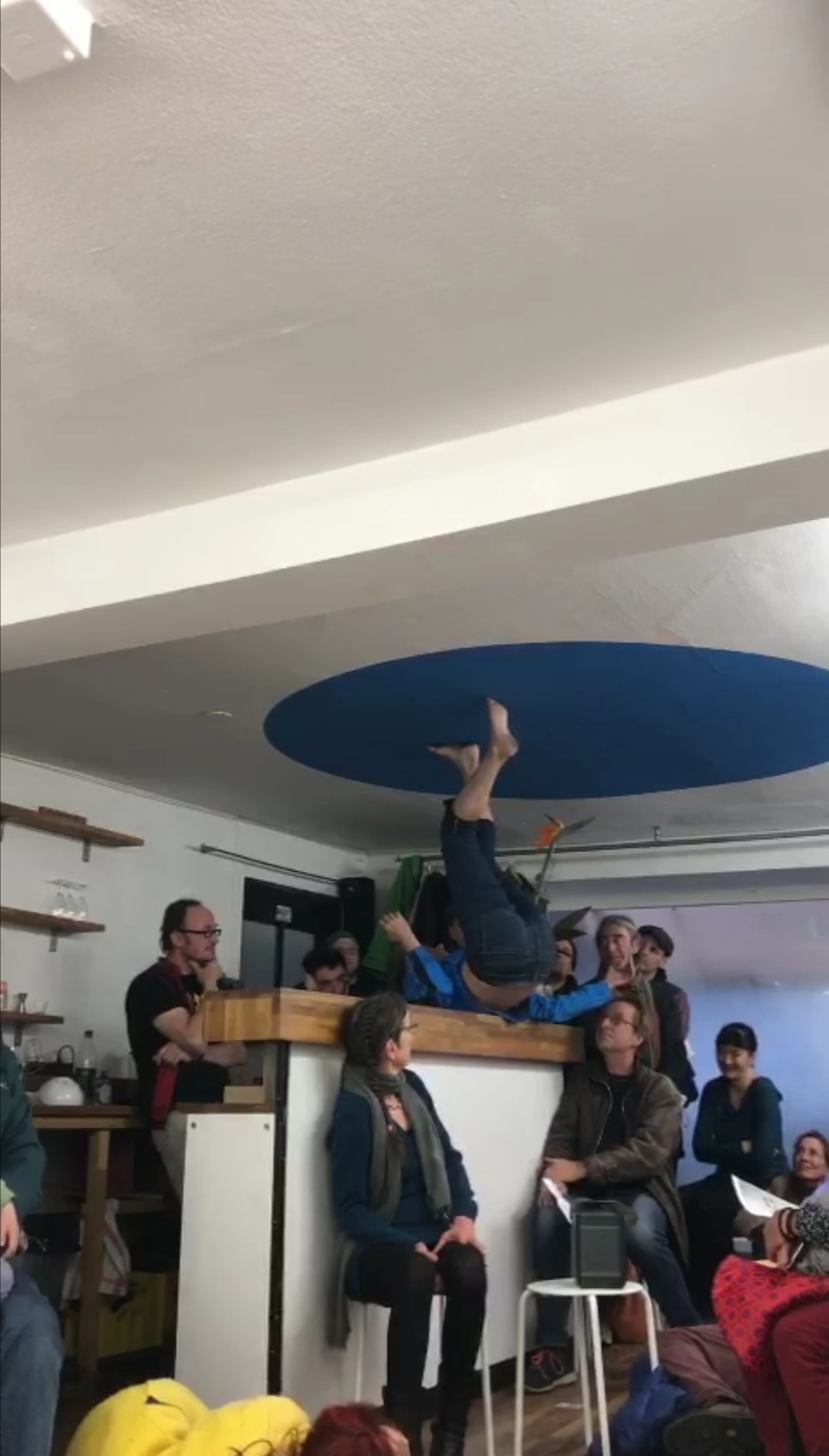
My work unfolds at the intersection of performance, film, and drawing. It is driven by a desire to initiate moments —happenings — that momentarily loosen the grip of dominant logics of performance and productivity. I aim to create spaces where failing together becomes a different kind of success. To do this, I work closely with friends and familiar collaborators, exploring a language of care and intuitive release. Through partly scripted choreographies and reflections rooted in lived experience, I seek to turn ordinary encounters into shared acts of conscious attention. These moments emerge through performative improvisation, accidents, and role reversals, in which the work finds it’s way across the vision of all together. Influenced by silent cinema, experimental films of the 1970s — such as SymbiopsychoTx1Plasm by William Greaves — and the theatrical languages of voice and gesture, I am interested in blurring the line between rehearsal and event.

Laura Fandiño Mojo

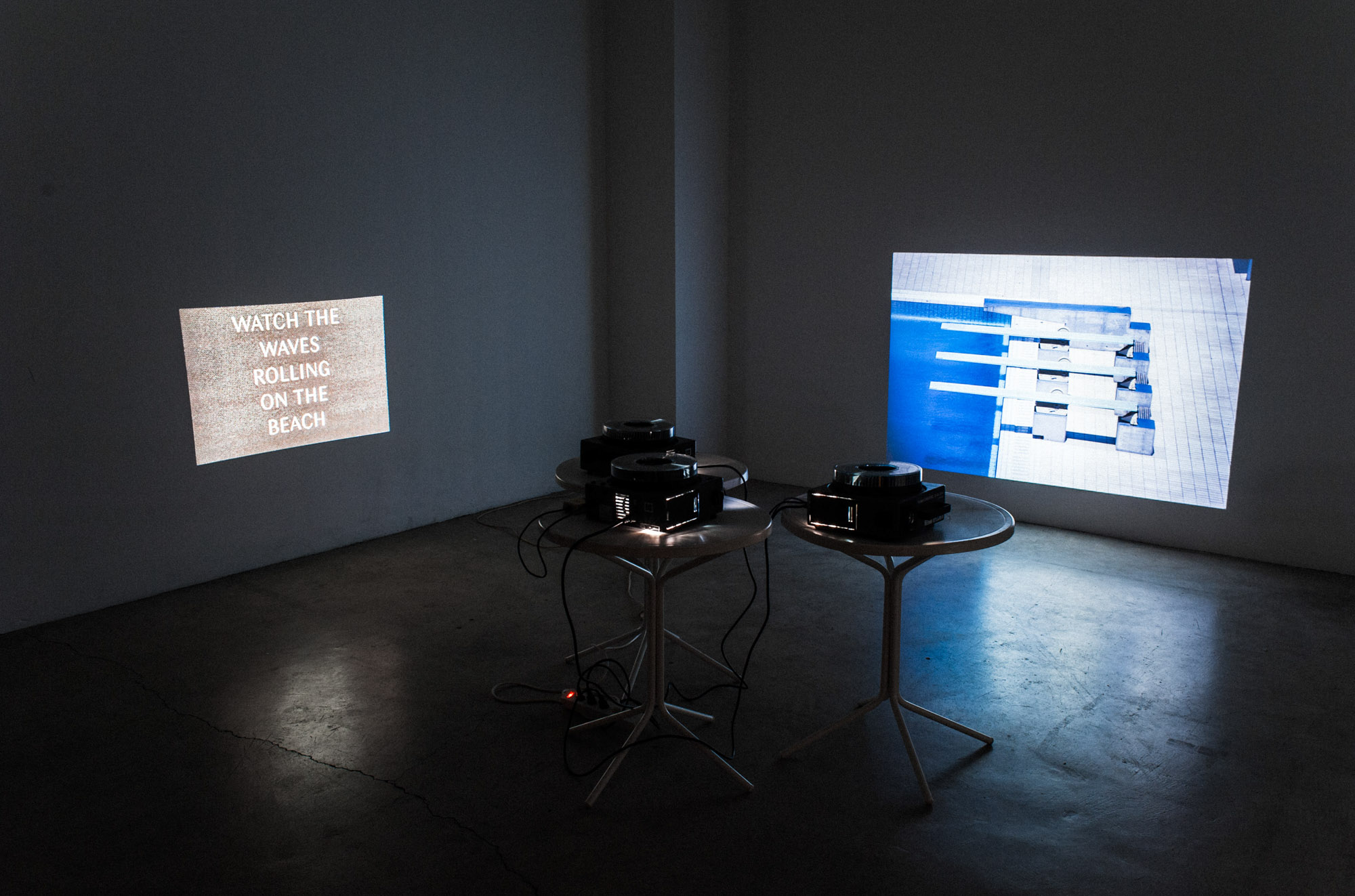
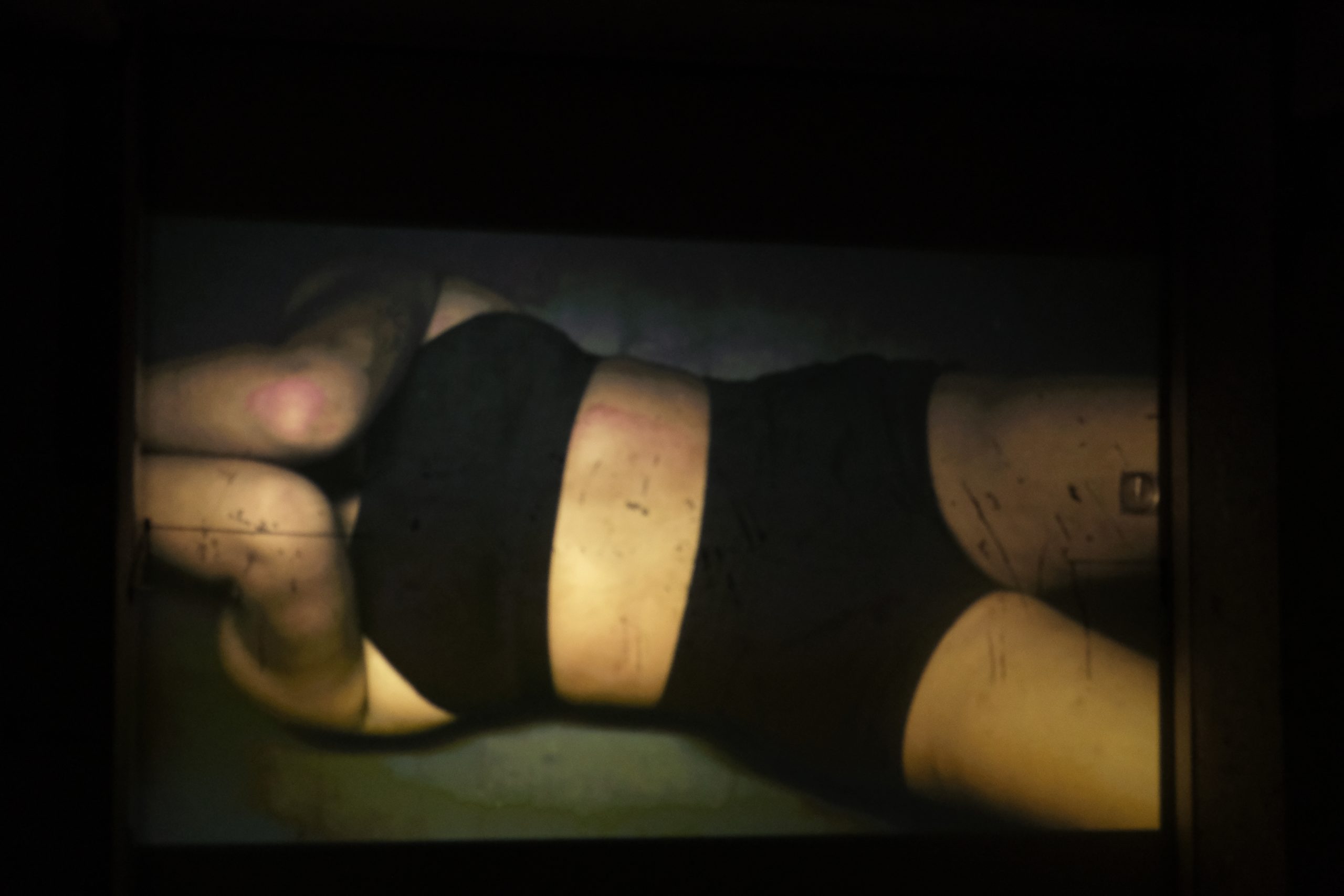
I experiment video-creation as an extension of the photographic image, documenting in sequences the pulse of the action. I have been studying the documentary authenticity as fiction for some years, using memory in this auto-investigation which lies halfway between the real/visual and the staged scene. Silence, sound or absence are present, as is uncommunication.


Regarding drawing, I have been working on inexactitude and disproportion. This has led to a degenerate effect, a result of inconclusive aspect (in the same way a memory is incomplete too), unmeasured and with no meaning in space. For me, a blank piece of paper or canvas are spaces of negotiation.

Raphaëlle Müller

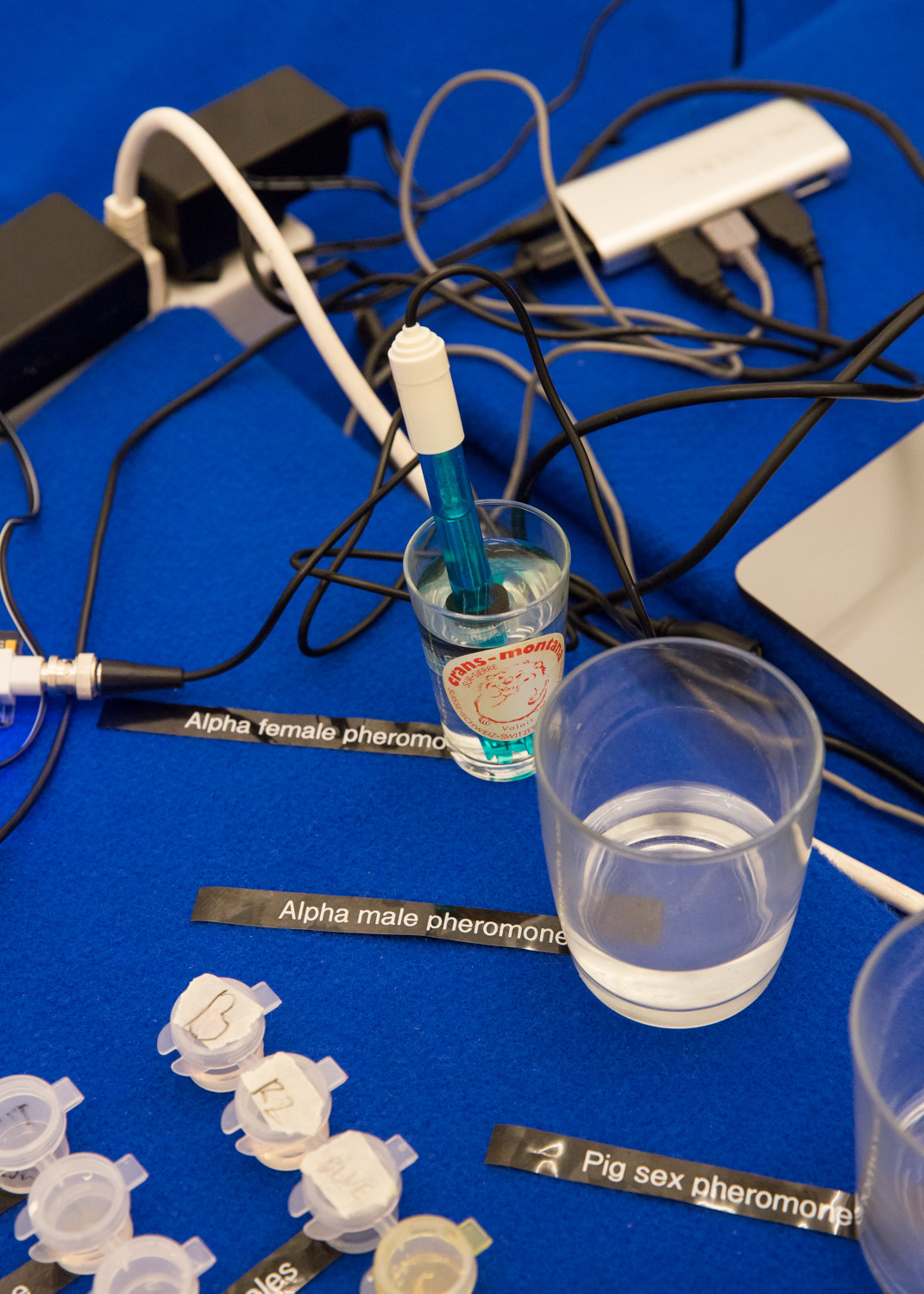
Raphaëlle Mueller est une photographe, artiste et une chercheuse basée à Bâle et à Genève qui inscrit ses travaux dans une pratique pluridisciplinaire. Sa pratique artistique fusionne l’art et la science dans un agenda géopolitique discursif et ses méthodologies exploratoires impliquent des dialogues multilatéraux qui questionnent les relations cachées et spéculatives entre l’écologie, la politique, l’humain et le non-humain. Son travail vise à établir un lien entre les mondes scientifique et non scientifique, notamment dans le cadre de problématiques environnementales. Ses explorations visent donc à appréhender et à comprendre la matérialité toxique de l’Anthropocène/Capitalocène et à tenter de forger de nouveaux liens inter-espèces et inter-médias. Si elle porte une attention particulière à l’image et à ses moyens de production dans ses usage (post)photographiques, elle réalise également des performances, des films, des vidéos et des conférences. Le format original de ses expositions propose des restitutions d’expériences et de recherches au long cours. Il prend aussi souvent une forme évolutive. Ses recherches engagées se situent dans la lignée d’une pensée éco-féministe, et convoquent l’analyse forensique (étude de terrain, analyses de données, statistiques etc.) qu’elle applique à des méthodes et à des expériences artistiques développées en collaboration avec des chercheur-eus-s, biologistes, performeurs-e-s-et bio-hackeur-euse-s.  Raphaëlle Mueller travaille aussi avec des matériaux inusuels qui relèvent du vivant (Exogenesis, 2019-2021), des molécules synthétiques (Chemical Charm, 2018), ou des toxiques (T(t)erraforming, 2018). En interrogeant les systèmes de production, en renonçant dans la mesure du possible à engendrer de nouveaux objets et en favorisant le recyclage, elle invite à des réflexions qui résonnent avec une éthique du care (Perspectives on post-capitalist thinking/being, 2021). Elle mène enfin un travail qui met au centre de ses expériences artistiques des processus qui dénoncent l’exploitation de vulnérabilités et invitent à repenser les relations de pouvoir entre les vivants. Elle a exposé dans de nombreux espaces d’art et festivals.

Simon Krebs

Simon Krebs arbeitet mit Fotografie, Film, Animation, Zeichnung und Musik.


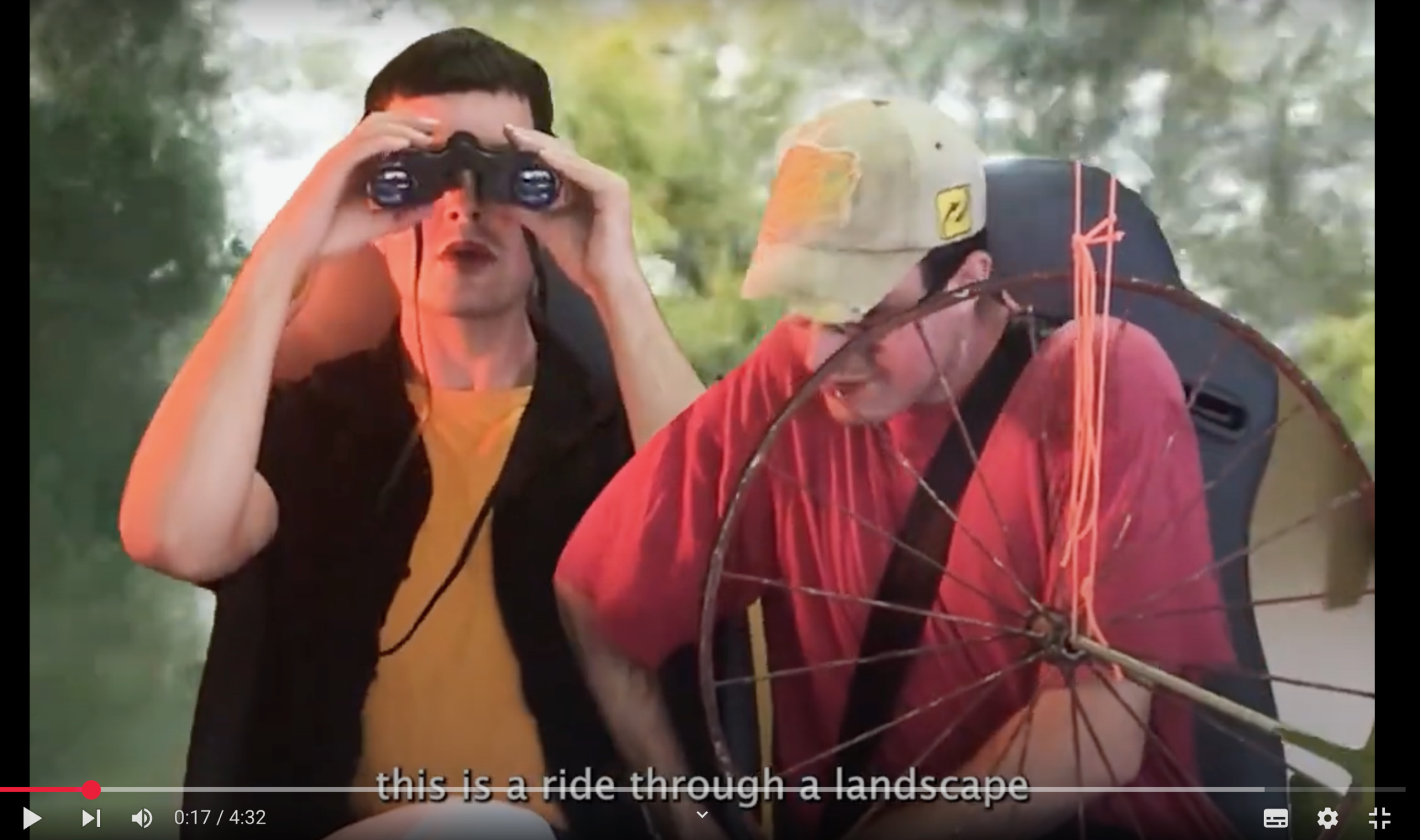
Er produziert Ausstellungen, Filme, Musikvideos, Bücher und kooperiert gerne mit Musiker:innen, Autor:innen oder Mode-Designer:innen. Seine Arbeit zeichnet sich durch ein starkes Interesse für Menschen oder deren Fehlen, des Menschen Umgebung und Tätigkeit aus. Scheinbar alltägliches offenbart in Krebs’ Arbeit eine eigentümliche Magie oder ein humorvolles Gruseln.

Kirill Savalev

Artist staitment The subject of my photographs, texts, and videos is the everyday existence of animals, things, and people, as well as the moments when relationships between them emerge. My practice is predominantly intuitive. Even when there is a precise plan for a project, success more often occurs in the ruins left by the collision of that plan with reality. For me, making art is a kind of «rummaging in the dark,» in the unknown. This rummaging allows for a momentary illumination of the darkness. It is impossible to see the entire territory, but one can infer it by remembering the brief glimpses through the «slits» one has made and mentally connecting them. This applies both to the experience of working with photography (which is why flash is often present in the images) and to working with text. In the case of text, it is like photographing the thoughts in one’s head.

Carla Blanca Corminboeuf

Swiss-Peruvian artist based in Bern, working with images ranging from fine art to video installation. Her research explores questions of memory, identity, and cultural transmission, examining how personal and collective identities are carried, embodied, and reshaped over time.

Having grown up immersed in Andean culture through traditional Peruvian dance, she has developed a keen awareness of how heritage is experienced, performed, and passed on. Her creative process involves assembling various elements, including images, sound, movement, and spatial components, to create personal narratives and visual interpretations of thoughts, memories, and emotions.

Her master’s research focuses on “Llaky”, a Quechua word used to describe a negative emotional state, a kind of melancholy unique to the Andean region. Building on this, she explores collective memory and cultural identity, as well as other regional issues, such as social structures inherited from colonization.

Elena Gutmann

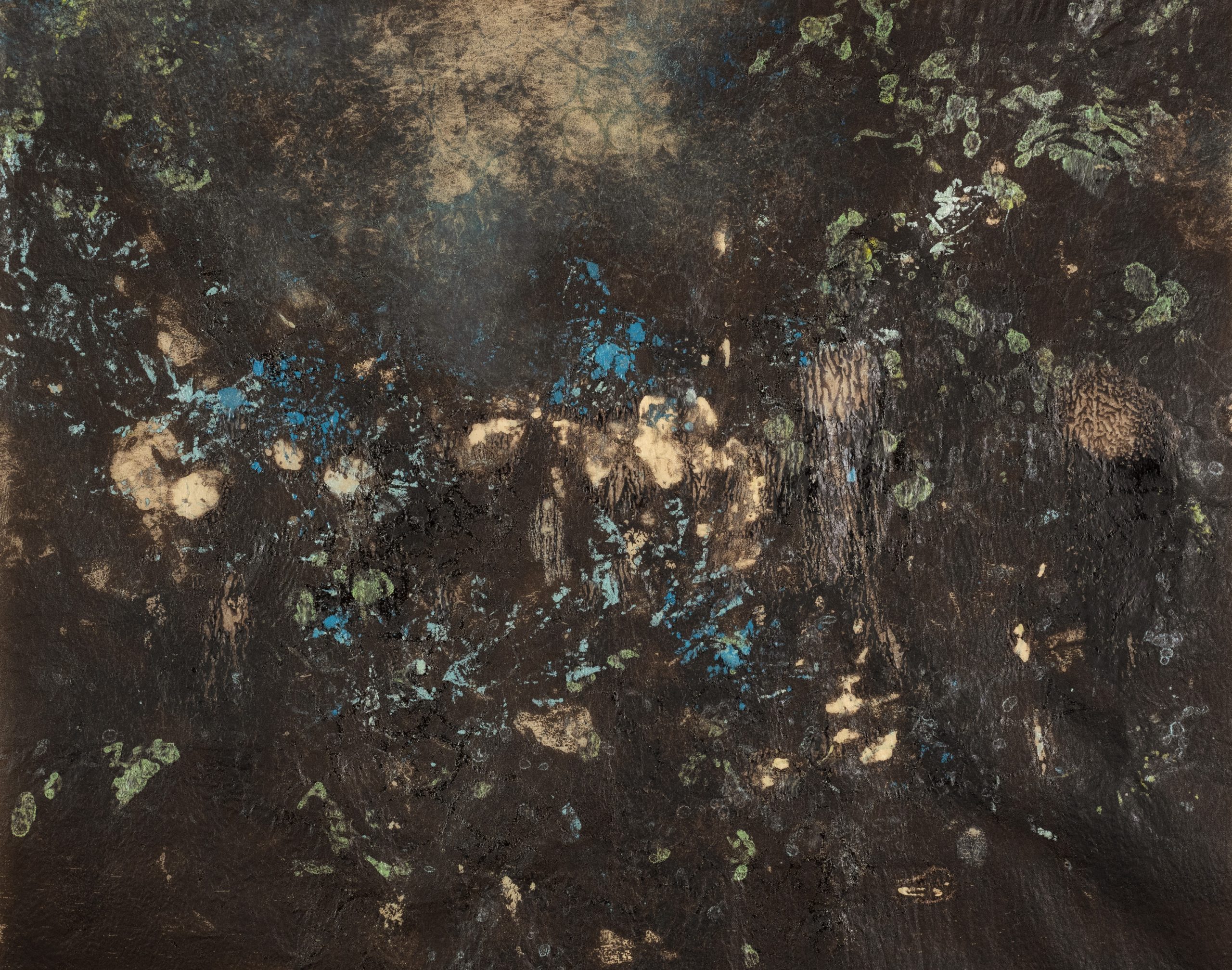
Elana Gutmann brings together paintings and works on paper created in resonance with that which is not often noticed, seen or heard. In myriad forms, this latest body of the artist’s works considers touch,  place, and scale as sensory points-of-entry to dream with, to contemplate, to imagine, and reimagine. Colors shimmer and cool, lingering and inviting suggestions of rivers, horizons, lush undergrowth, figure and form. They draw us in at close proximity and open from afar. 


Elana Gutmann lives and works in Basel, and engages in project-based residencies and collaborations in a variety of countries and contexts. In concert with her work in the studio, Gutmann has been engaging in arts-in-social justice projects, primarily in Paris and New York, for over three decades. Her artworks are grounded in dialogue and a process of inquiry and discovery — a conversation with the work as it evolves. Inspired by her research into mycorrhizal networks, and exchanges with international scientists and ecologists, the artist’s latest body of work considers connectivity, imagination and flourishing in our relationships and interactions with all living things.

Ronja Römmelt

In contemporary society, social norms, gender roles, and forms of communal belonging are in constant transformation. These shifts are not only conceptual but deeply embodied: power, inclusion, and exclusion are experienced through posture, gesture, proximity, and affective resonance. At the same time, the increasing reliance on digital communication reduces physical presence and attenuates shared, bodily experience.
In my work, I explore and render visible this corporeal dimension of social life. Through moving image and choreographic processes developed with participants, I investigate how social structures are inscribed, performed, and transmitted through the body. My work reveals the subtle ways in which collective dynamics take shape in movement, relation, and sensation.
By engaging both participants and audiences in sensory and affective experiences, my work seeks to foster empathy, deepen social awareness, and cultivate a more nuanced understanding of collective existence. It invites viewers not only to observe, but to feel and reflect on their own embodied position within social systems.
Ultimately, I propose that societal transformation is not solely discursive, but lived and co-created through the body. My practice offers a reflective and participatory framework of moving image that engages embodiment as a site of social negotiation and potential change.

Nadine Cueni

Multimediakünstlerin, deren allgemeine Ideen sich um die Beziehung zwischen persönlichen und

kollektiven Erinnerungen drehen. Mit ihrem Hintergrund als Biologin ist Cueni nicht nur wissenschaftlich an der Natur interessiert, sondern untersucht auch die Gesellschaft anhand ihrer Interaktion mit der Natur und hinterfragt das Verhalten gegenüber dem Anderssein in einem

grösseren Rahmen. Ihre Arbeit ist vielschichtig und vermischt Aspekte der Dokumentation, der

wissenschaftlichen Forschung und der persönlichen Wahrnehmung – mit einem leichten Hauch

von surrealer Fiktion und Humor.

Marianela Leon Ruiz

Danse-performance et arts visuels


Mon materiel du travail principal c’est le corps. C’est le corps que nous voyons, celui qui accompli des actions, et celui dans lequel notre esprit opère mystérieusement.


Mon travail de danse-performance est une exploration au sein de ce milieu. Et la performance en direct devenant le moment crucial d’échange entre les corps. Au-delà de ce que nous savons.

Même en dehors des objectives et des intentions de l’artiste.

Cette ouverture comporte un risque, mais elle est fondamental pour entrer dans le réel.

Bien que je réalise beaucoup de vidéos, c’est lors des action en direct que on parvient les plus souvent à ouvrir ce fossé.


D’un autre côté, je suis pleinement intéressée à la transmission. C’est pourquoi je donne des cours où l’on développe la conscience corporelle et l’usage créatif du mouvement ainsi que la perception en action. Ce sont en vraie des ouvres d’art collectives, des ouvres de vie en action artistique.


Ma formation initial est en arts visuels. J’ai étudié les beaux-arts en Espagne. Je n’ai jamais abandonné les arts visuels, que ce soit le dessin, la peinture ou le modelage. Il y a des occasions où c’est ça qui pousse.