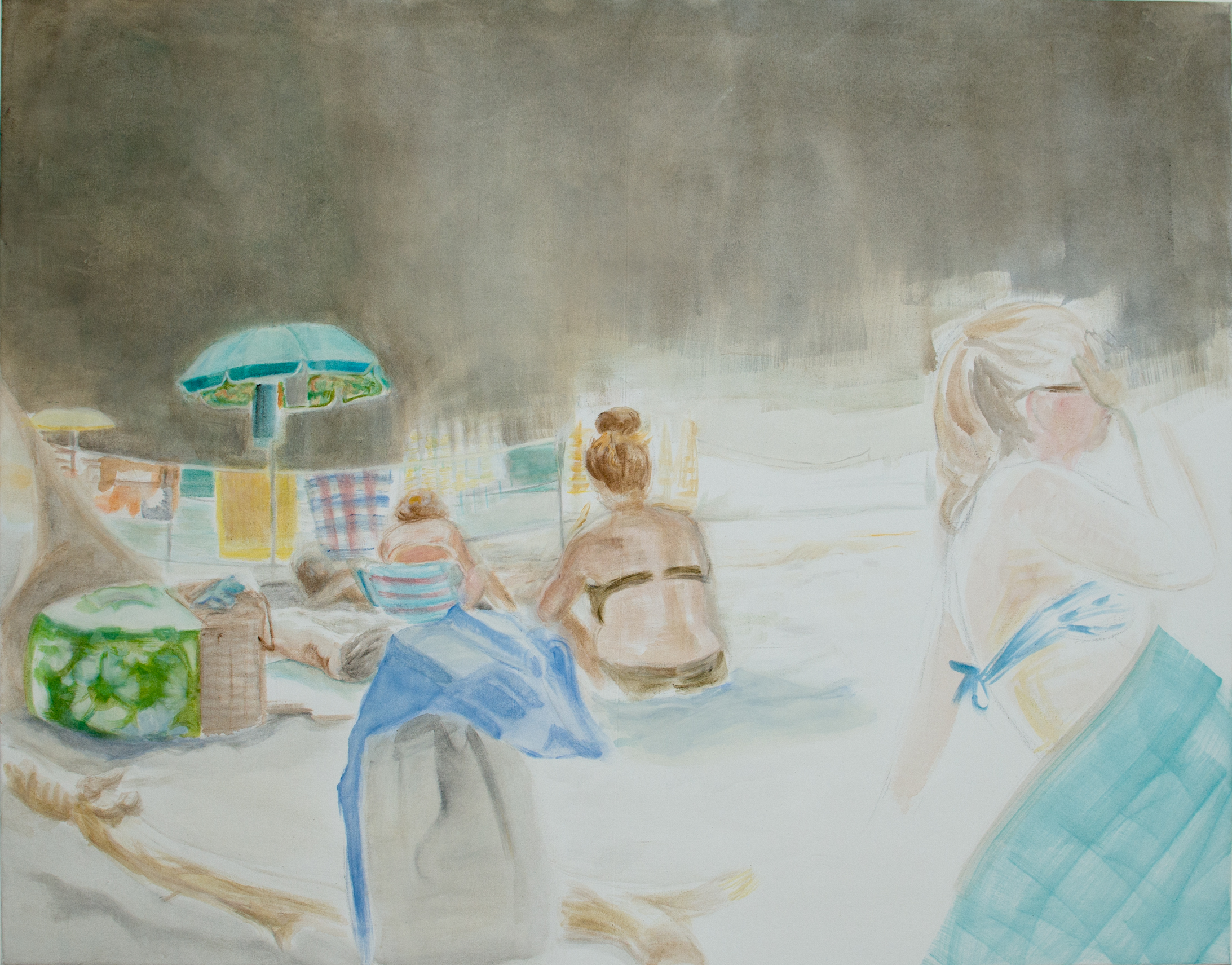
Die Inspiration für mein Schaffen sind der Mensch und die Natur. Und ebenso die bewusste Wahrnehmung der Schönheit von Landschaften und Architektur. In meiner Arbeit liebe ich das zeichnerisch-malerische, der reflexive oder auch spielerisch experimentelle Umgang mit Material, Motiven und Raumsituationen. Zitat: «In den Bildern treibt Hilde Hagmann ein Spiel in vielerlei Hinsicht: Mit den Erwartungen und Einordnungen der Betrachterin oder des Betrachters, mit vielen Facetten von Illusion und Reflexion, mit der Spannung zwischen Vorstellungswelt und realem Raum».
Pratiques : Technique mixte
Barbara Peyer
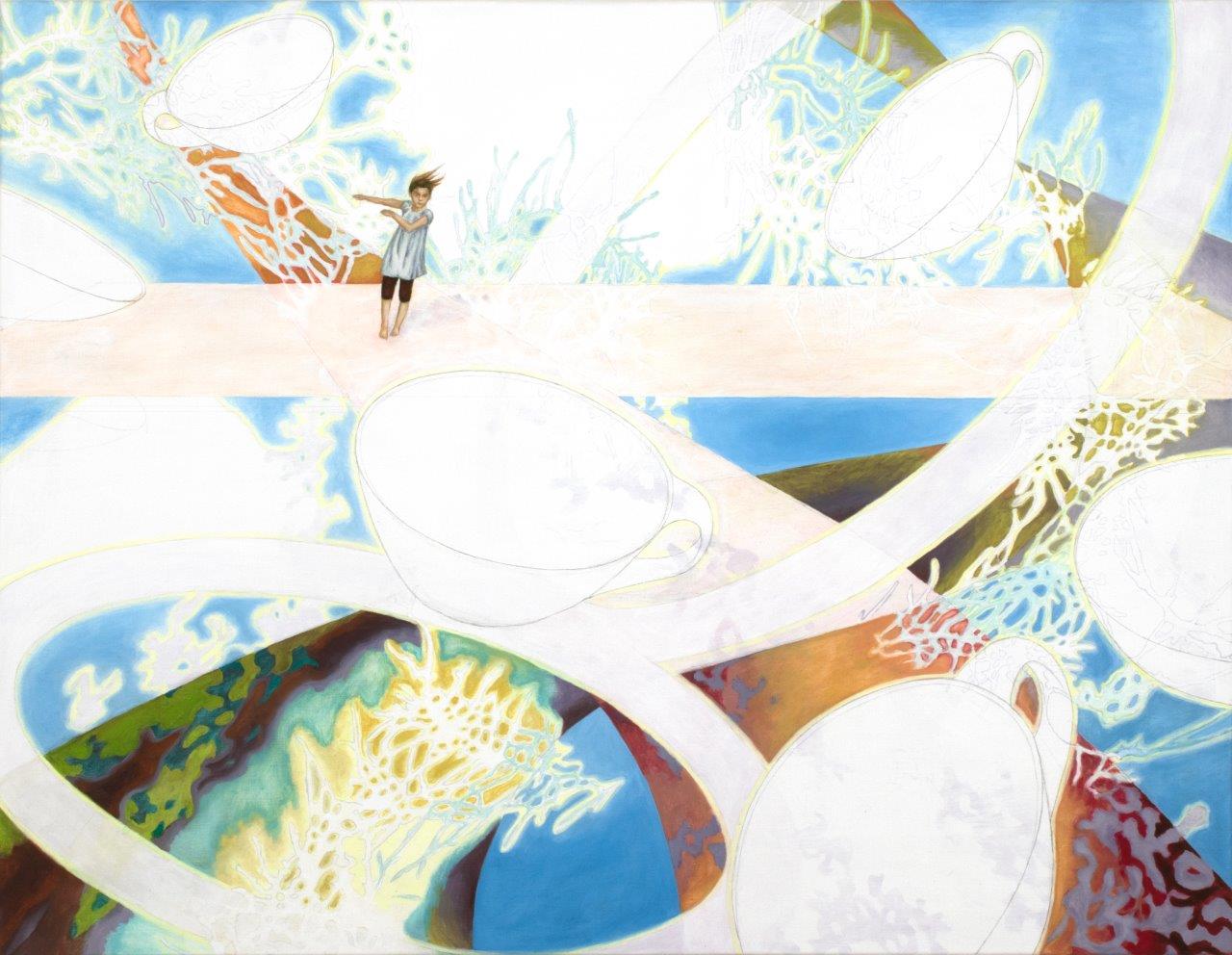
In meiner Malerei ist die Intensität und die Sprache der Farben zentral. Im Prozess des Malens lote ich die Schnittstelle von Gegenständlichkeit und Abstraktion aus. Die neuen Arbeiten spielen mit Mehrschichtigkeit und Transparenz, so wie Erscheinen und Verschwinden von Begrifflichem. Die Malerei auf Leinwand ist und bleibt mein Medium der Bildfindung und Bilderfindung – Bilder die eher als Anklang und nicht als eindeutig lesbar verstanden werden wollen.
Christiane Maier Reinhard
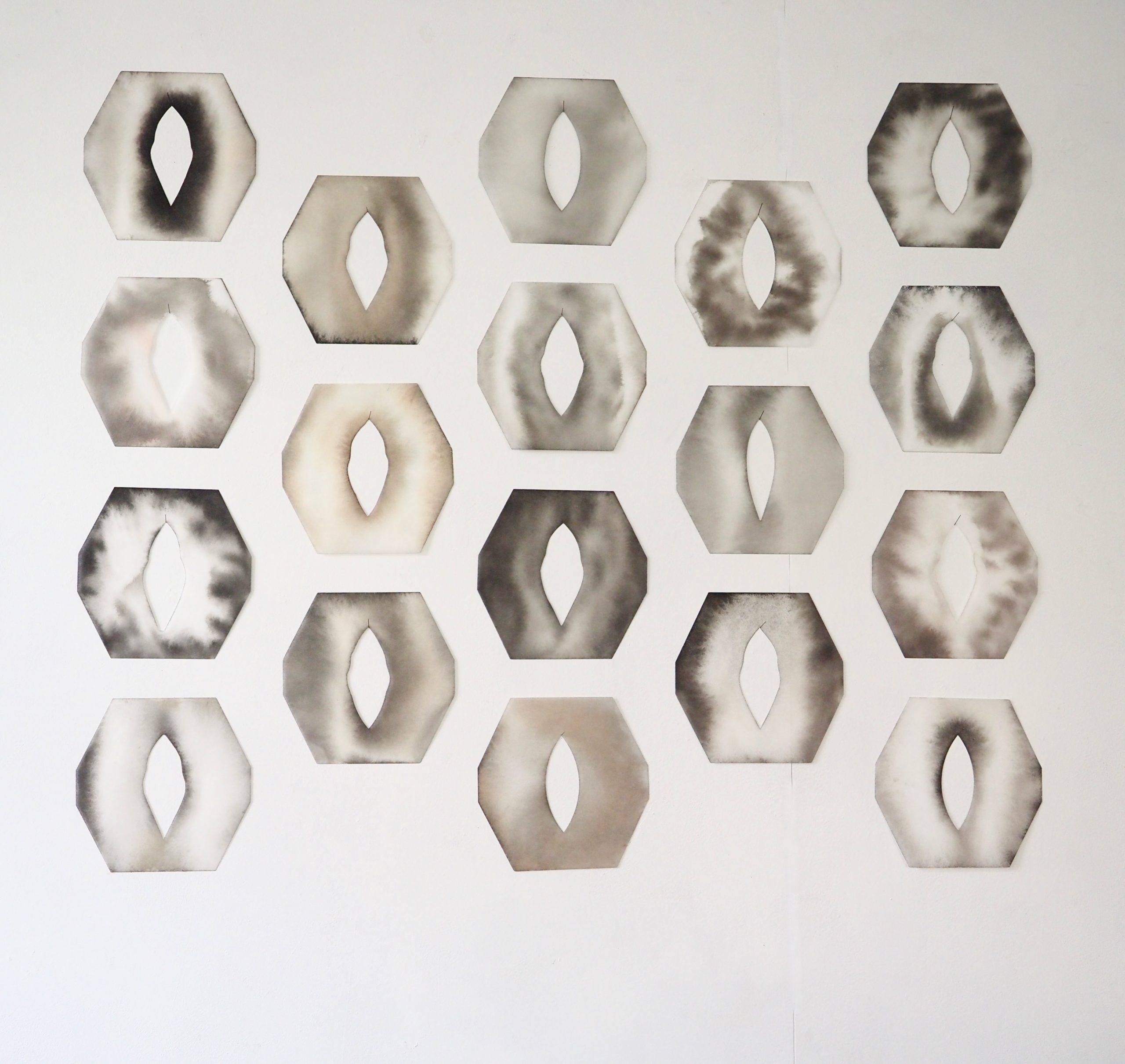
Christiane Maier Reinhard: Aktuell entwickelt sich meine Arbeit in drei Werkgruppen. (1) Die «Konstellationen» sind Arbeiten auf Glasvlies, Gruppierungen von Einzelelementen. Über ein Raster organisiert ermöglichen sie wand-raumbezogene Installationen. Auf dem Glasvlies amorph ausfliessende Tusche steht im Kontrast zur klaren Kontur der geschnittenen Flächen. Ihre Anmutung changiert zwischen rein geometrischer Form, Naturfragment und Körperlichkeit.
(2) Tuschzeichnungen auf Washipapieren folgen Naturbeobachtungen und fügen sie in ein Gewebe aus gedruckten Strukturen ein. «Stoff aus vielen Jahren» als Titel dieser Werkgruppe spielt neben der Materialität (Stoff, Gewebe, Teppich) auch auf Immaterialität an, den Stoff einer Narration, das Diskursgewebe, in dem ein Naturverhältnis erzählt wird. (3) Die dritte Werkgruppe – « Nicht alles lässt sich erklären» – ist die Temperamalerei. Als Aktion in selbstvergessener Präsenz scheint sie eine zur Zeichnung und den Konstellationen konträre Praktik. Sie ist der Versuch, den Grenzziehungen – den Kategorisierungen – zu entgleiten, in die wir unvermeidbar eingebunden sind. Die drei Werkgruppen stehen im Dialog und bilden einen Resonanzraum für das, was ich als «Darin-Sein in Existenz» zu befragen meine.
Céline Manz
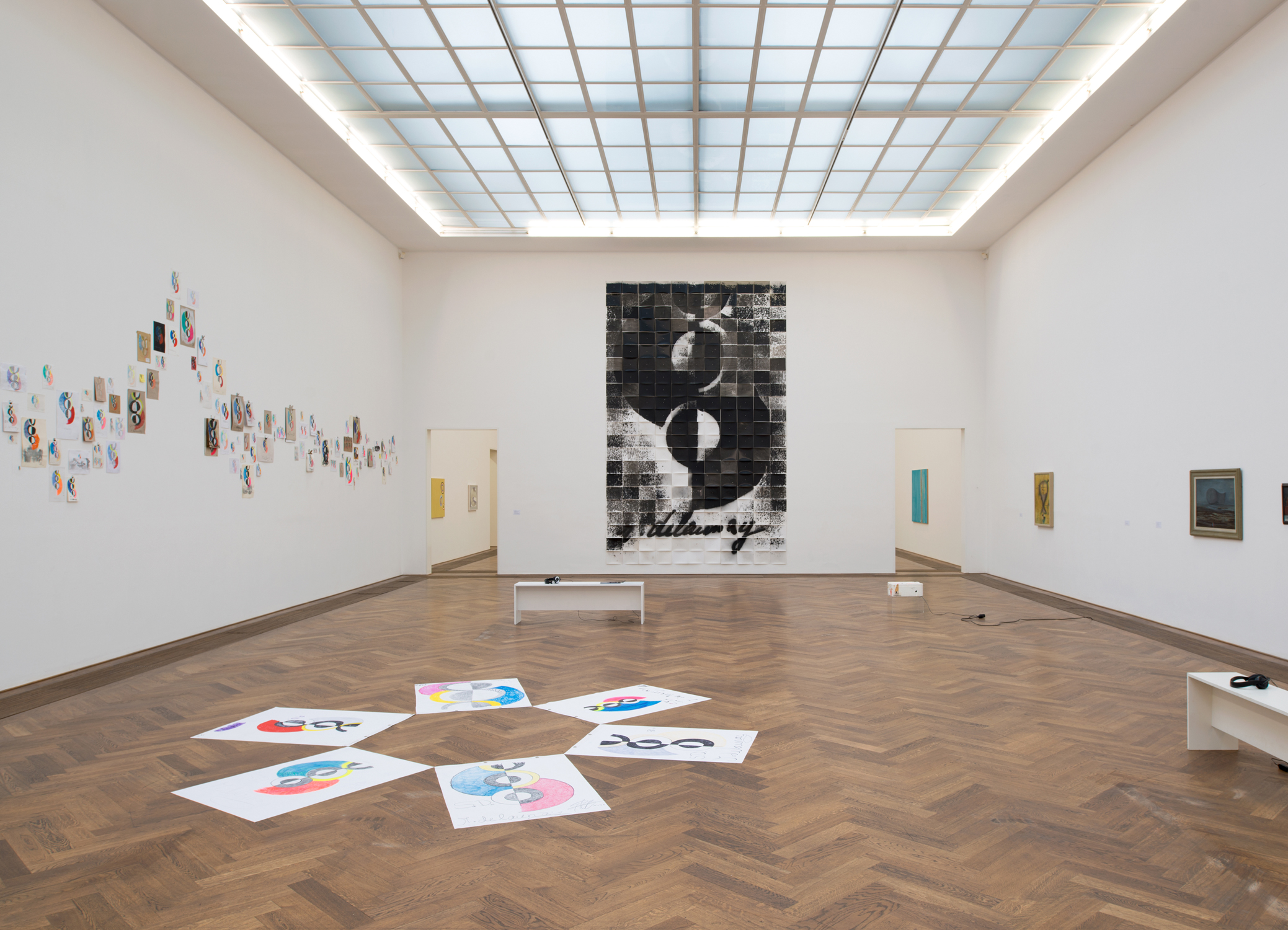
Céline Manz est une artiste suisse multidisciplinaire dont le travail, fondé sur la recherche, explore l’influence des forces institutionnelles sur la visibilité historique et la manière dont le savoir se perpétue au sein des cadres dominants, tout en étant marginalisé. À travers l’installation, le son, l’image en mouvement et la recherche archivistique, elle examine les mécanismes de construction et de maintien des récits, en s’intéressant particulièrement aux perspectives féministes sur l’autorité et l’historiographie. Ses projets se développent souvent par le biais de recherches au long cours, mêlant expérimentation corporelle en atelier et collaborations scientifiques et archivistiques. Elle intègre des méthodes issues de la recherche artistique et des disciplines empiriques, les traduisant en formes sensorielles qui mettent en lumière ce que les récits dominants occultent partiellement. Matériaux fragiles, sons infrasonores et enregistrements in situ lui servent d’outils pour analyser la production et le maintien des lacunes dans le récit historique. La relation entre production du savoir et autorité institutionnelle est une préoccupation récurrente dans l’œuvre de Manz. Ses projets antérieurs ont exploré l’influence des cadres juridiques, des conventions archivistiques et des pratiques d’exposition sur la mémoire des artistes. Ses œuvres plus récentes étendent cette réflexion aux systèmes administratifs et scientifiques qui déterminent, souvent de manière insidieuse, quelles contributions resteront lisibles au fil du temps. Ses installations investissent fréquemment des lieux ou des corpus de recherche spécifiques, les transformant en environnements où des pans d’histoire occultés peuvent ressurgir sous forme d’expériences perceptives. En traduisant la recherche en rencontres physiques et acoustiques, elle invite le public à s’approprier le matériau historique par le corps autant que par l’intellect, soulignant que le passé se perçoit autant par les sensations que par les documents. À travers cette approche interdisciplinaire, Manz conçoit la pratique artistique comme une forme d’investigation capable de révéler les angles morts des récits officiels. Ses œuvres fonctionnent comme des espaces de recherche provisoires qui questionnent l’autorité institutionnelle tout en ouvrant la voie à d’autres manières d’appréhender le passé.
Christine Fausten
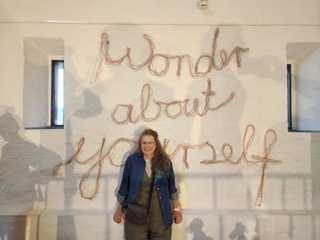
Christine Fausten arbeitet an den Schnittstellen von Malerei, Skulptur und Musik. Sie wurde international für ihre phantastischen Mischwesen aus Textilien und Alltagsmaterialien bekannt, die oft in grössere Installationen eingebunden werden. Als freischaffende Künstlerin lebt und arbeitet Fausten seit 1998 in Basel und Burg im Leimental (Baselland).
Linus Finn Riegger
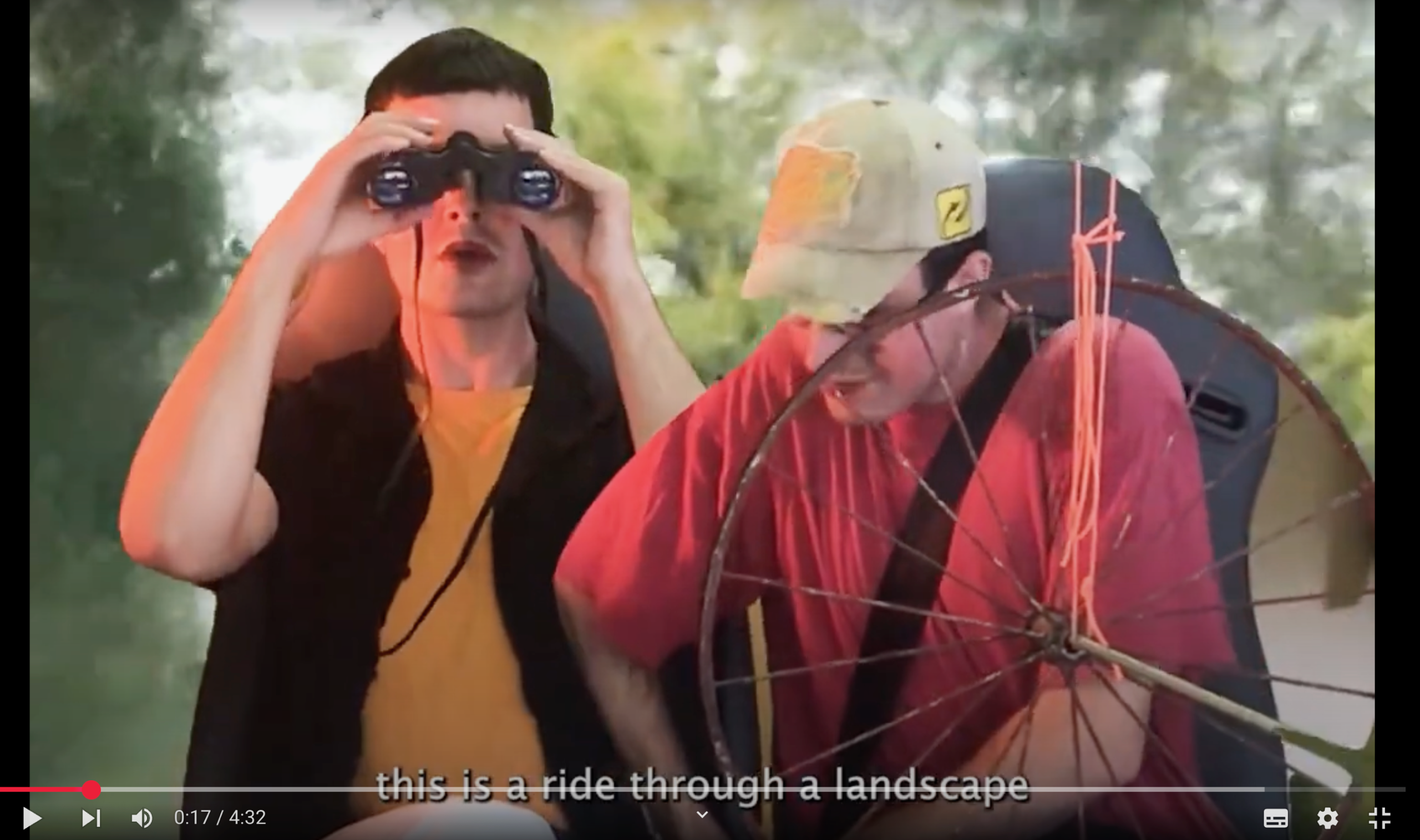
Linus Finn Riegger (b. 1996) works across film, performance, and drawing, exploring cinematic archetypes, play, and collective processes.
He engages in collaborative initiatives such as Small Cameras Operation (SCO) by Hsiao-Yen Yao and Lucie Lin, a film production company focused on mixed-media film and art mediation.
Since 2025 he is part of Collective Heartbreak, a group of nine artists experimenting with voice, choreography, and forms of collective writing.
Didde Bourp Larsen
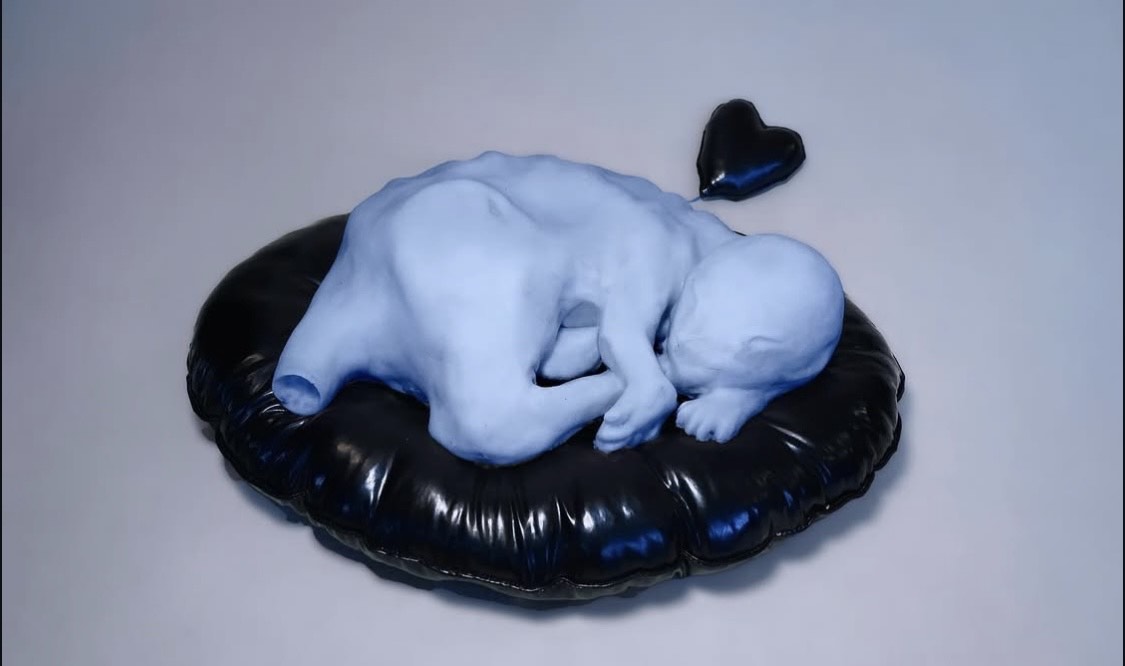
Didde Bo (b. 1997) is a multidisciplinary artist, born on the west coast in Denmark, working at the intersection of performance and speculative technology. They are currently pursuing their MFA at the Institute Art Gender Nature, Basel Academy of Art and Design FHNW.
Their recent research explores singing as a resonant extension of the body – an energetic act that opens cyclic time through the vibrational impact of sound waves. These acts can be archived by drawing, both physically and digitally. Their performances are relational and unfold in caring interactions between mythical entities from a wounded womb. They sing both to destroy and regenerate.
In addition they work in collaborative projects such as SWITCH collective and Collective Heartbreak.
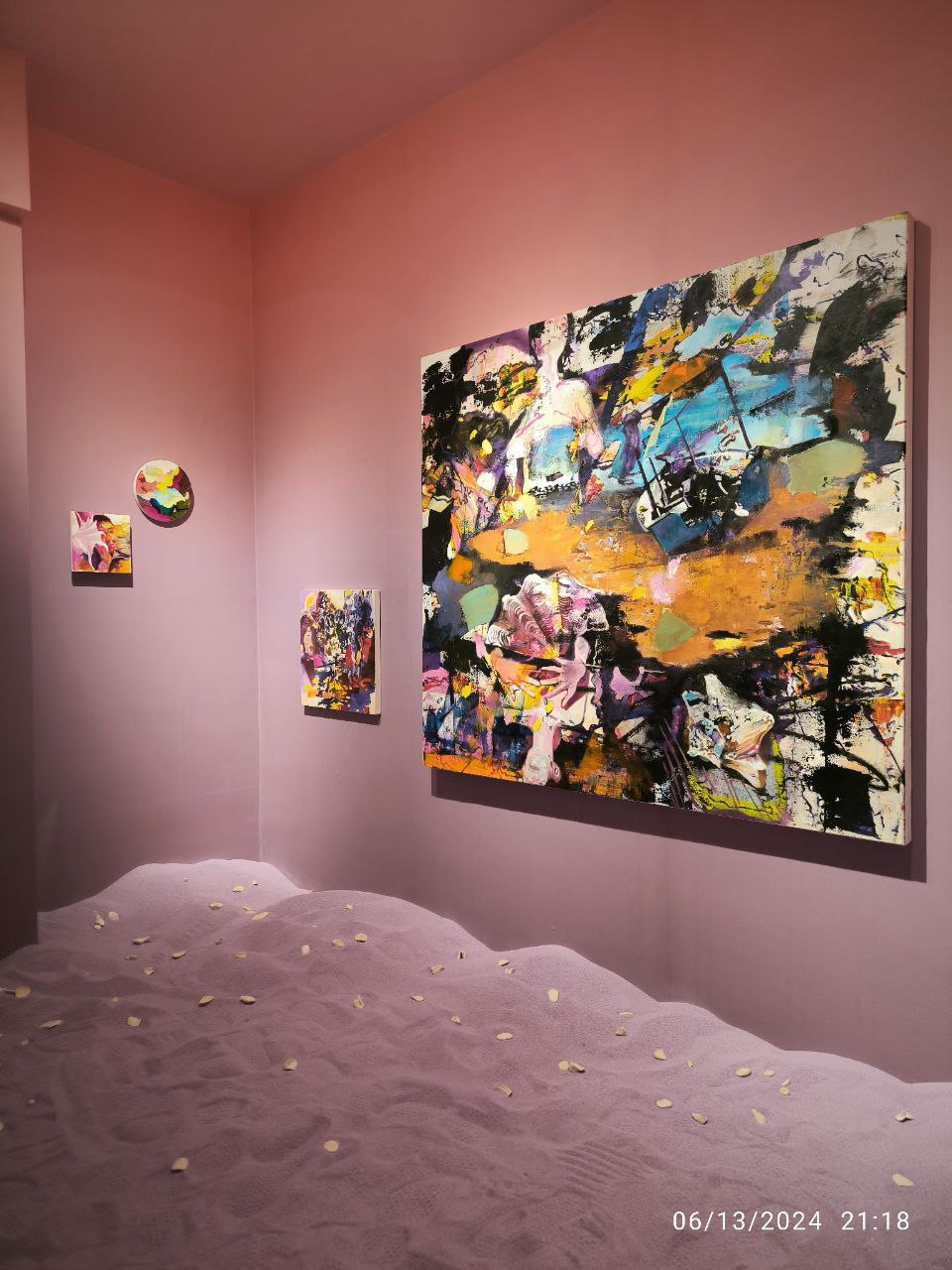
Zanbagh Lotfi
A reflection on painting, displacement, and identity
As a bystander painter I perceive the world through my experiences in the diaspora, resulting from a combination of displacem ents and mobilities. My
paintings are a collection of images, narratives, emotions and memories that arise from my transitions from one point to another, from translations from
one culture to another, and therefore from encounters with a diversity of spatiotemporal worlds.
My endeavor in my paintings, has been focused on understanding and discovering new relationships with my SELVES and my surroundings. Exactly for this
reason, my paintings prominently feature liminal (in-between) spaces, personal and collective memories, and a sense of timelessness or temporal overlap
(or inter-temporal translation).
In many cases, I use a multilingual
installation to offer the public the possibility of feeling a part of the work.
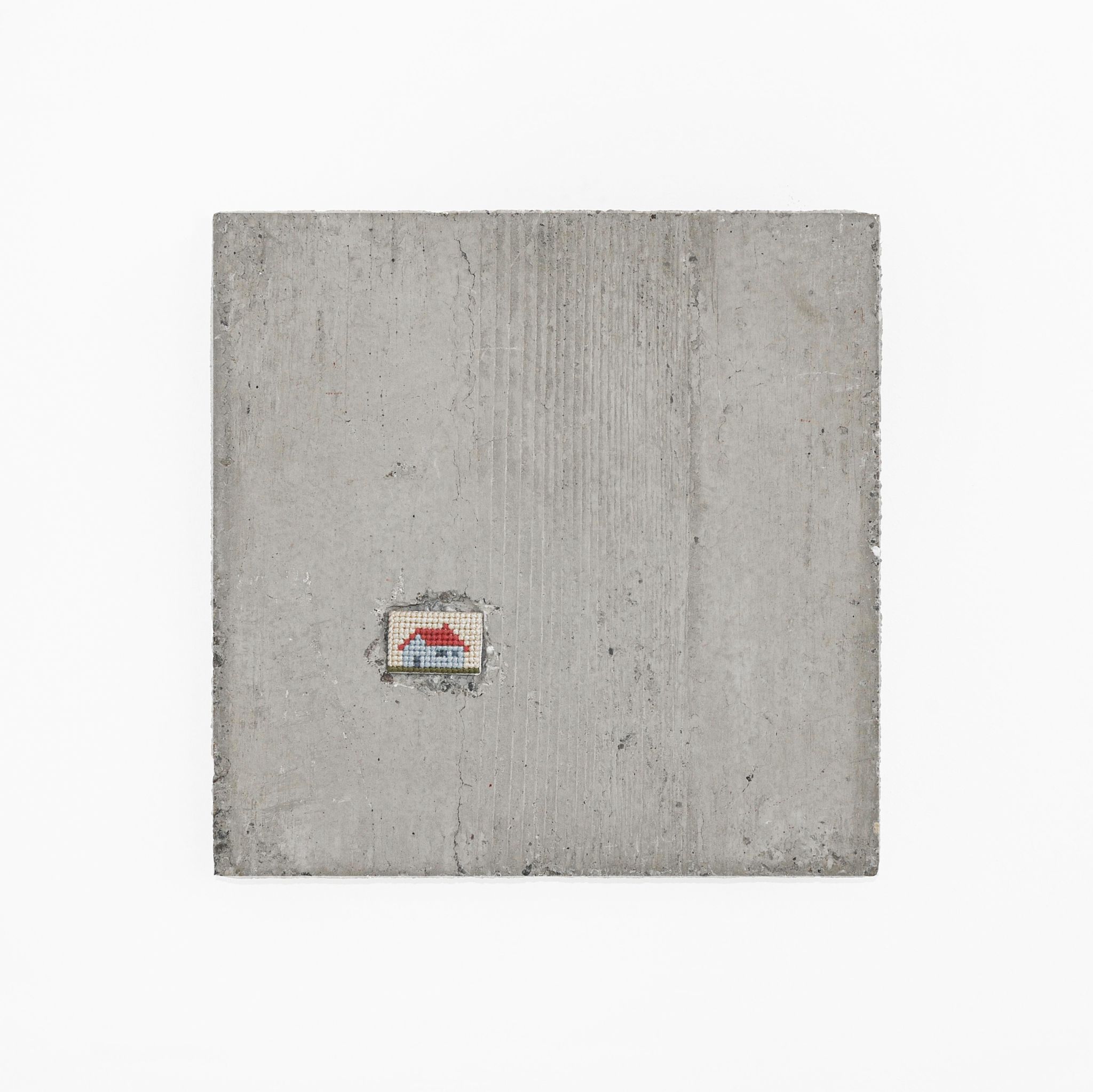
Brenda Dell’Anna
Son travail illustratif, ses créations textiles et son utilisation de matériaux tels que la céramique et le béton créent des dialogues entre des éléments solides et souples. Son travail aborde des expériences personnelle avec sensibilité et oppose un langage visuel délicat à des thèmes marqués par la tension.
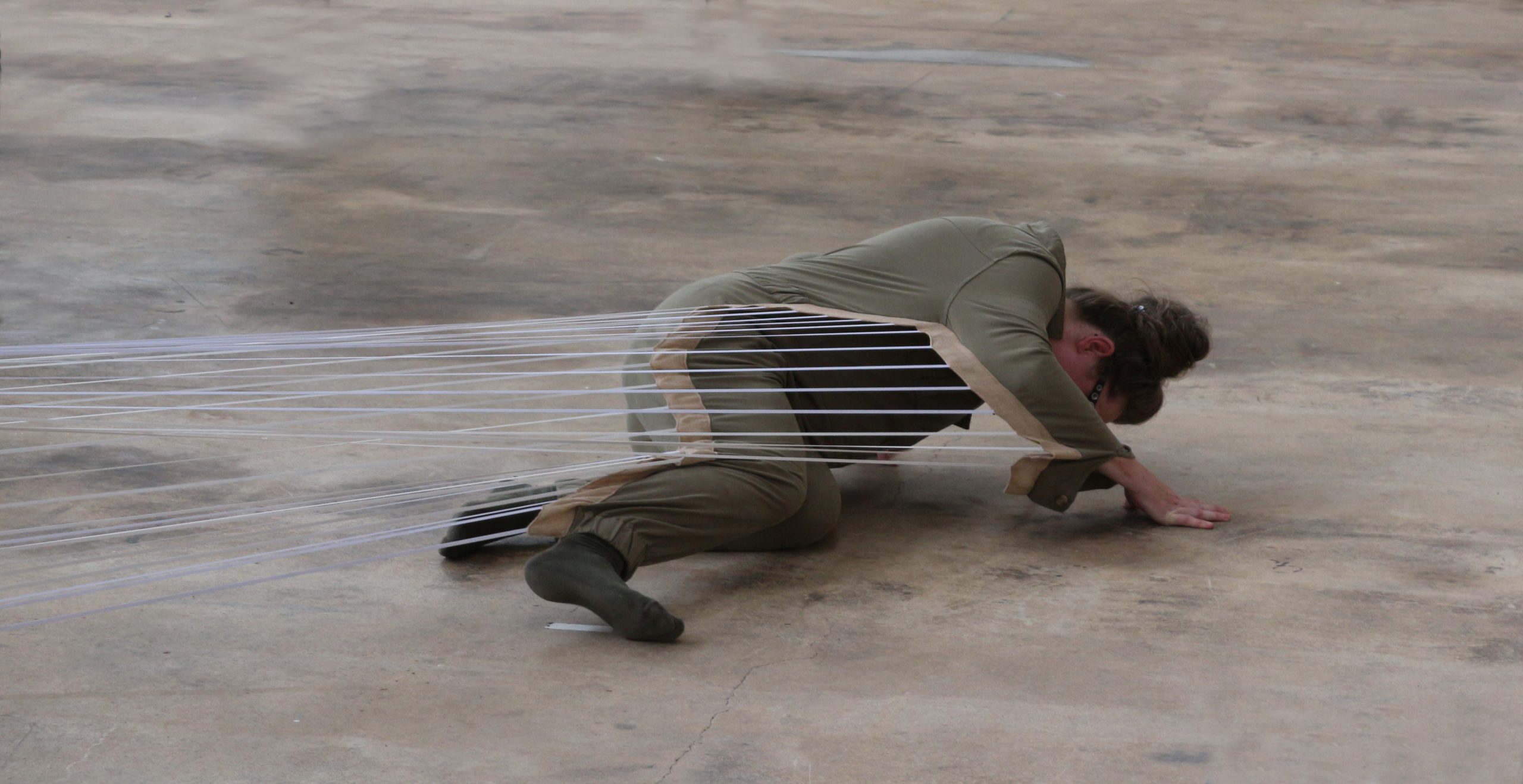
Nika Timashkova
Nika Timashkova (*1989 in Saporischschja, Ukraine) ist eine Multimedia-Künstlerin und Forscherin aus Basel. Sie hat einen BA in französischer Literatur und Linguistik sowie osteuropäischen Kulturen von der Universität Basel und einen Master in Art Practice vom Dutch Art Institute (DAI) in Arnheim, Niederlande.
Emmanuel Joan Ramon Pidré Starosta (1989), auch bekannt als Emma Pidré, ist ein argentinisch-spanischer Künstler, geboren in Buenos Aires, Argentinien, und lebt und arbeitet derzeit in Basel. Er hat ein Diplom in Bildender Kunst von der Weißensee Kunsthochschule Berlin sowie einen MA vom Institut Art Gender Nature / FHNW Basel.
Brenda Dell’Anna (2002, in Basel) ist eine italo-schweizerische Künstlerin, die in Basel und Moutier lebt. Sie hat kürzlich ihren Bachelor in Fine Arts am Institut Art Gender Nature der HGK Basel FHNW abgeschlossen.
Mirjam Spoolder wurde in den Niederlanden geboren und lebt seit 2007 in Basel, Schweiz. Sie studierte Bildhauerei an der Kunstakademie AKI/ARTEZ in Enschede und Bühnenmanagement am Rotterdamer Centrum für Theater (RCTH), beide in den Niederlanden. 2010 schloss sie ihr Masterstudium der Bildenden Kunst mit Schwerpunkt Performance Kunst an der Hochschule für Gestaltung und Kunst HGK/FHNW in Basel ab.