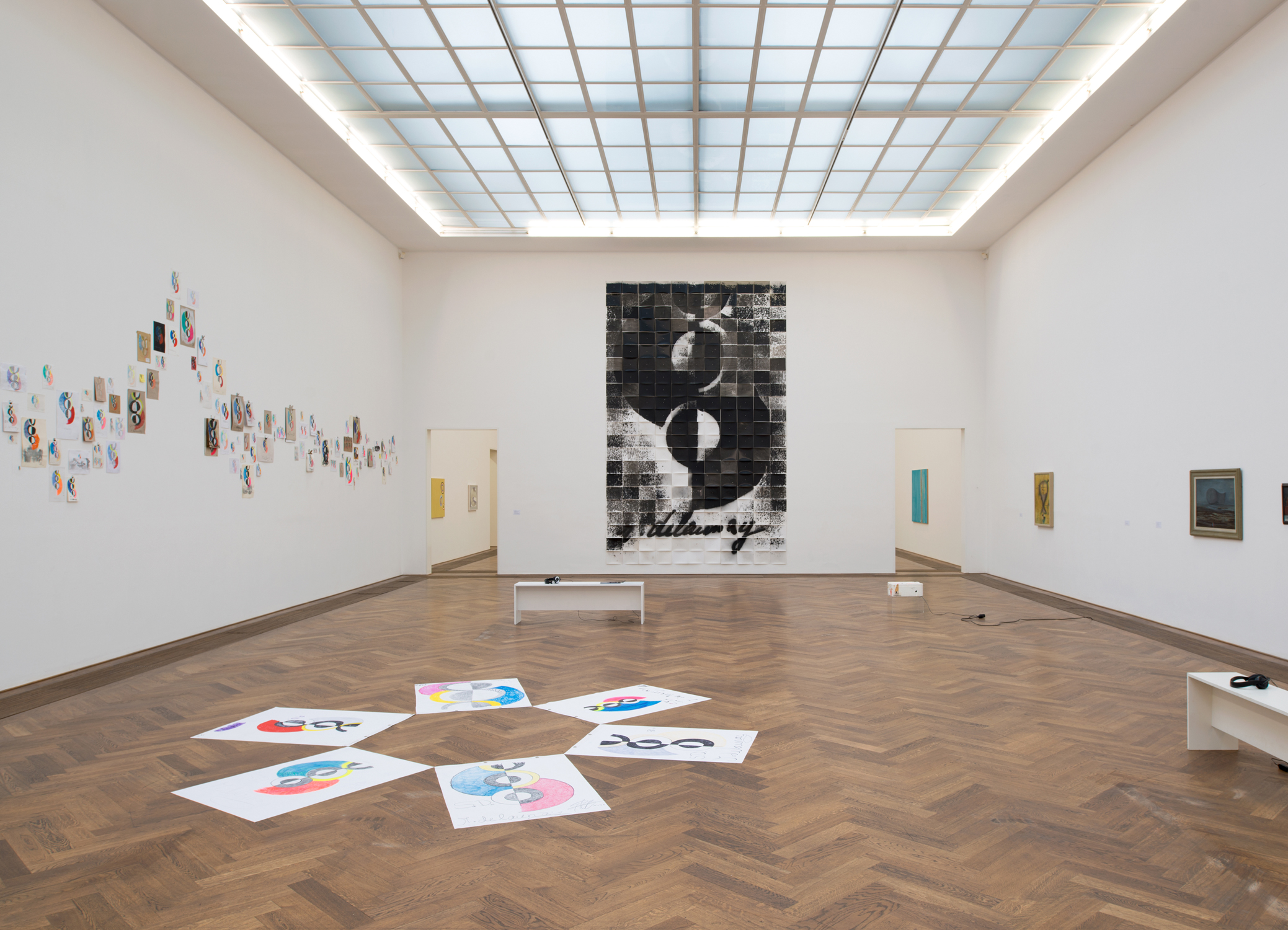
Céline Manz est une artiste suisse multidisciplinaire dont le travail, fondé sur la recherche, explore l’influence des forces institutionnelles sur la visibilité historique et la manière dont le savoir se perpétue au sein des cadres dominants, tout en étant marginalisé. À travers l’installation, le son, l’image en mouvement et la recherche archivistique, elle examine les mécanismes de construction et de maintien des récits, en s’intéressant particulièrement aux perspectives féministes sur l’autorité et l’historiographie. Ses projets se développent souvent par le biais de recherches au long cours, mêlant expérimentation corporelle en atelier et collaborations scientifiques et archivistiques. Elle intègre des méthodes issues de la recherche artistique et des disciplines empiriques, les traduisant en formes sensorielles qui mettent en lumière ce que les récits dominants occultent partiellement. Matériaux fragiles, sons infrasonores et enregistrements in situ lui servent d’outils pour analyser la production et le maintien des lacunes dans le récit historique. La relation entre production du savoir et autorité institutionnelle est une préoccupation récurrente dans l’œuvre de Manz. Ses projets antérieurs ont exploré l’influence des cadres juridiques, des conventions archivistiques et des pratiques d’exposition sur la mémoire des artistes. Ses œuvres plus récentes étendent cette réflexion aux systèmes administratifs et scientifiques qui déterminent, souvent de manière insidieuse, quelles contributions resteront lisibles au fil du temps. Ses installations investissent fréquemment des lieux ou des corpus de recherche spécifiques, les transformant en environnements où des pans d’histoire occultés peuvent ressurgir sous forme d’expériences perceptives. En traduisant la recherche en rencontres physiques et acoustiques, elle invite le public à s’approprier le matériau historique par le corps autant que par l’intellect, soulignant que le passé se perçoit autant par les sensations que par les documents. À travers cette approche interdisciplinaire, Manz conçoit la pratique artistique comme une forme d’investigation capable de révéler les angles morts des récits officiels. Ses œuvres fonctionnent comme des espaces de recherche provisoires qui questionnent l’autorité institutionnelle tout en ouvrant la voie à d’autres manières d’appréhender le passé.
Pratiques : Installation
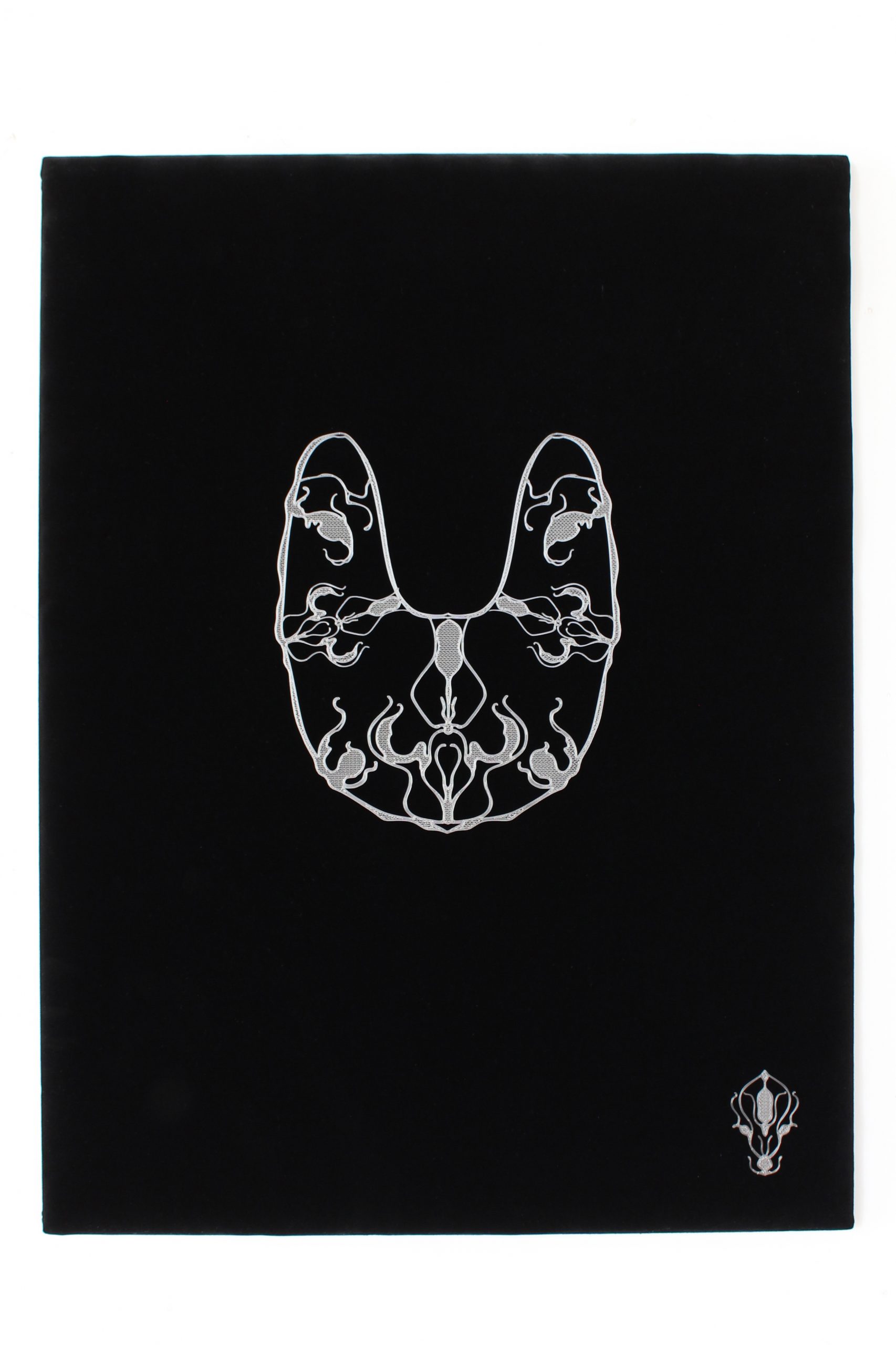
Anna Maria Balint
Mein Atelier befindet sich im Atelierhaus Klingental in Basel. Das Gebäude, eine ehemalige Klosterkirche aus dem 13. Jahrhundert, war ursprünglich ein Nonnenkloster. Die Geschichte des Ortes ist bis heute spürbar und prägt die besondere Atmosphäre des Hauses.
Mein Atelier liegt im dritten Stockwerk, vorne im Kirchenschiff im ehemaligen Chorteil. Der Raum ist rundum von Fenstern umgeben und von viel Tageslicht durchflutet. Die präsente gotische Architektur mit ihren hohen Proportionen schafft ein besonderes Zusammenspiel von Geschichte und Gegenwart – einen Resonanzraum für meine Arbeit.
Ich habe das Atelier in verschiedene Arbeitsbereiche gegliedert – eine Nähecke, einen Aquarell- und Zeichnungstisch sowie einen Tisch für die Entwicklung neuer Ideen. Da ich mit unterschiedlichen Materialien und Medien arbeite, ermöglicht mir diese Struktur ein flexibles und prozessorientiertes Arbeiten.
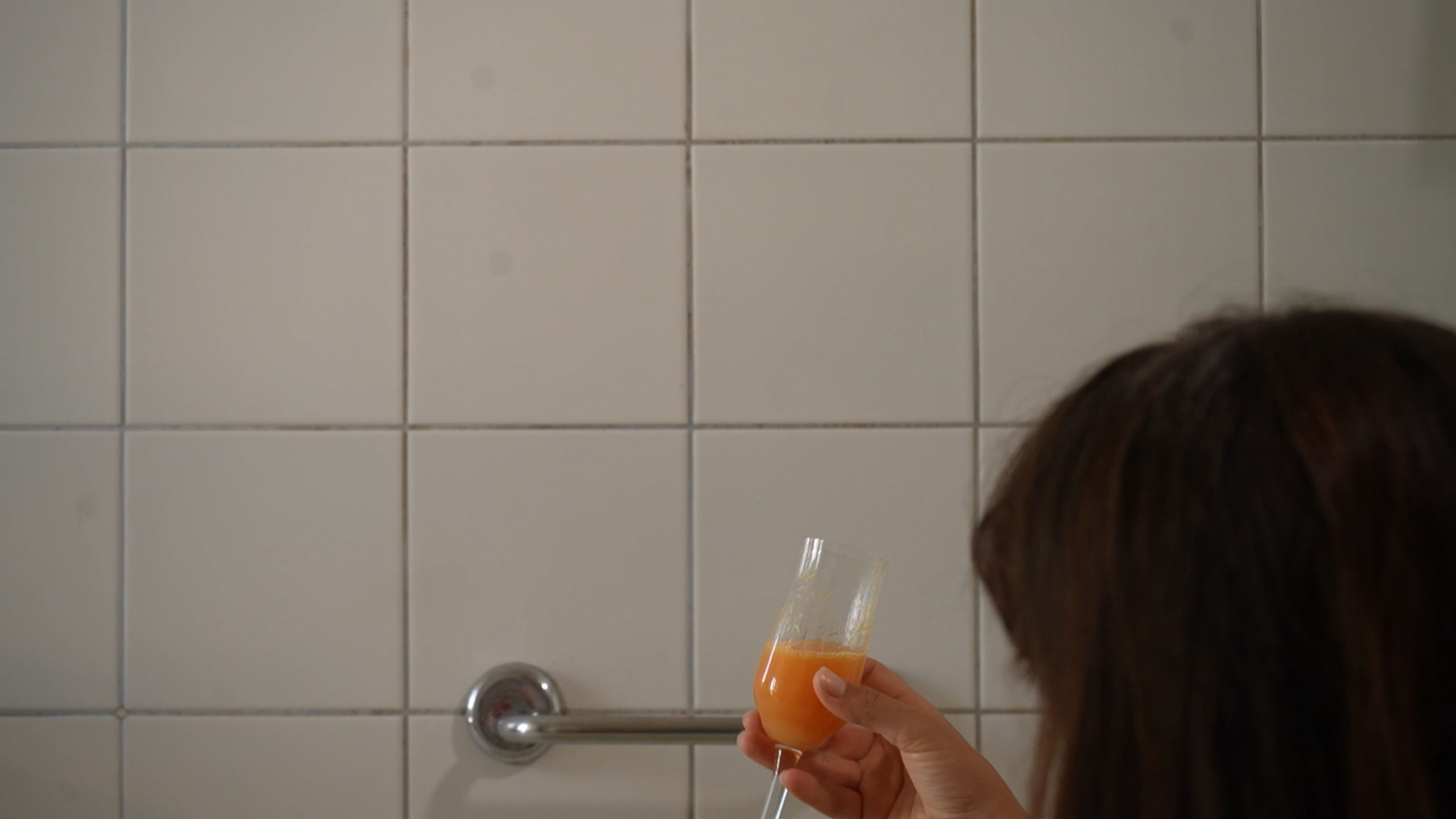
Soraya Oriana Blumer
I like to say that I choose the medium based on what I want to express and not the other way round. Over the years a pattern started cristallising: I start off with text, drawings, photography as research and end up with an immersive scenery, be it an interactive installation, a short film or a party setting. I would locate big part of my practice along feminist revisitations of Bourriauds relational aesthetics, as an act of care and community interventions. Formally I like clear composition, defined edges and monocromatic surfaces as well as polished, glossy and soft materials.
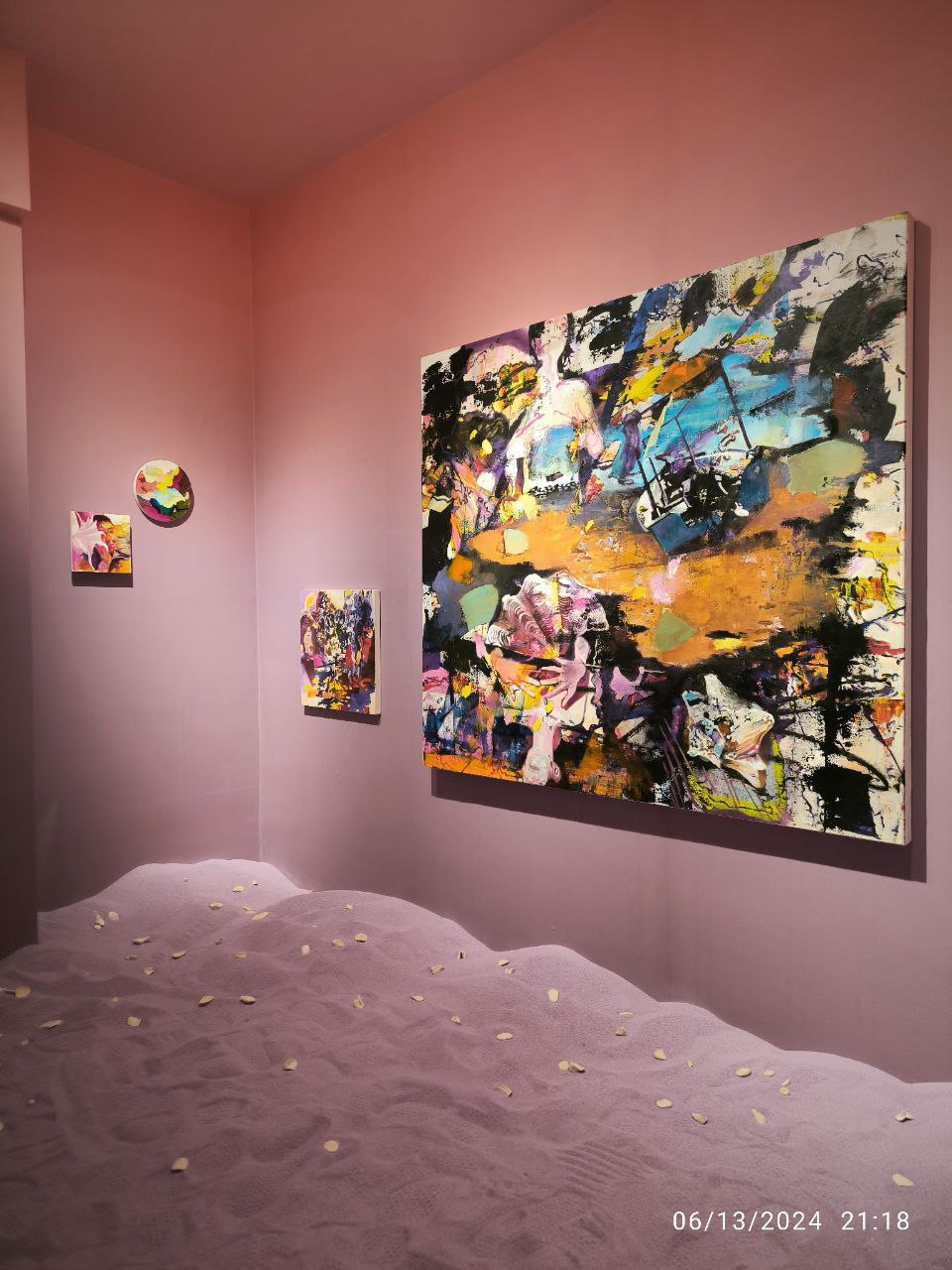
Zanbagh Lotfi
A reflection on painting, displacement, and identity
As a bystander painter I perceive the world through my experiences in the diaspora, resulting from a combination of displacem ents and mobilities. My
paintings are a collection of images, narratives, emotions and memories that arise from my transitions from one point to another, from translations from
one culture to another, and therefore from encounters with a diversity of spatiotemporal worlds.
My endeavor in my paintings, has been focused on understanding and discovering new relationships with my SELVES and my surroundings. Exactly for this
reason, my paintings prominently feature liminal (in-between) spaces, personal and collective memories, and a sense of timelessness or temporal overlap
(or inter-temporal translation).
In many cases, I use a multilingual
installation to offer the public the possibility of feeling a part of the work.
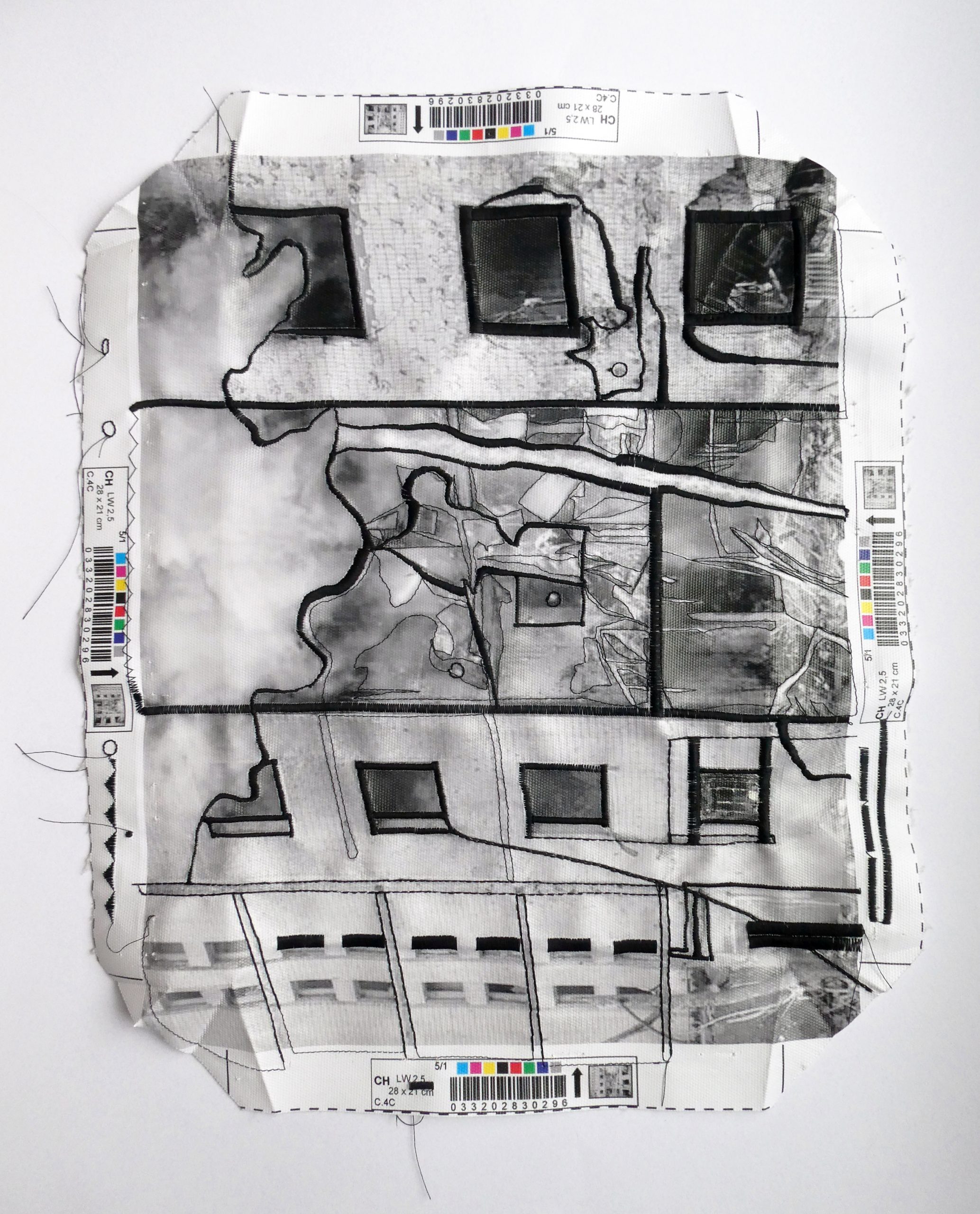
Mirjam Spoolder
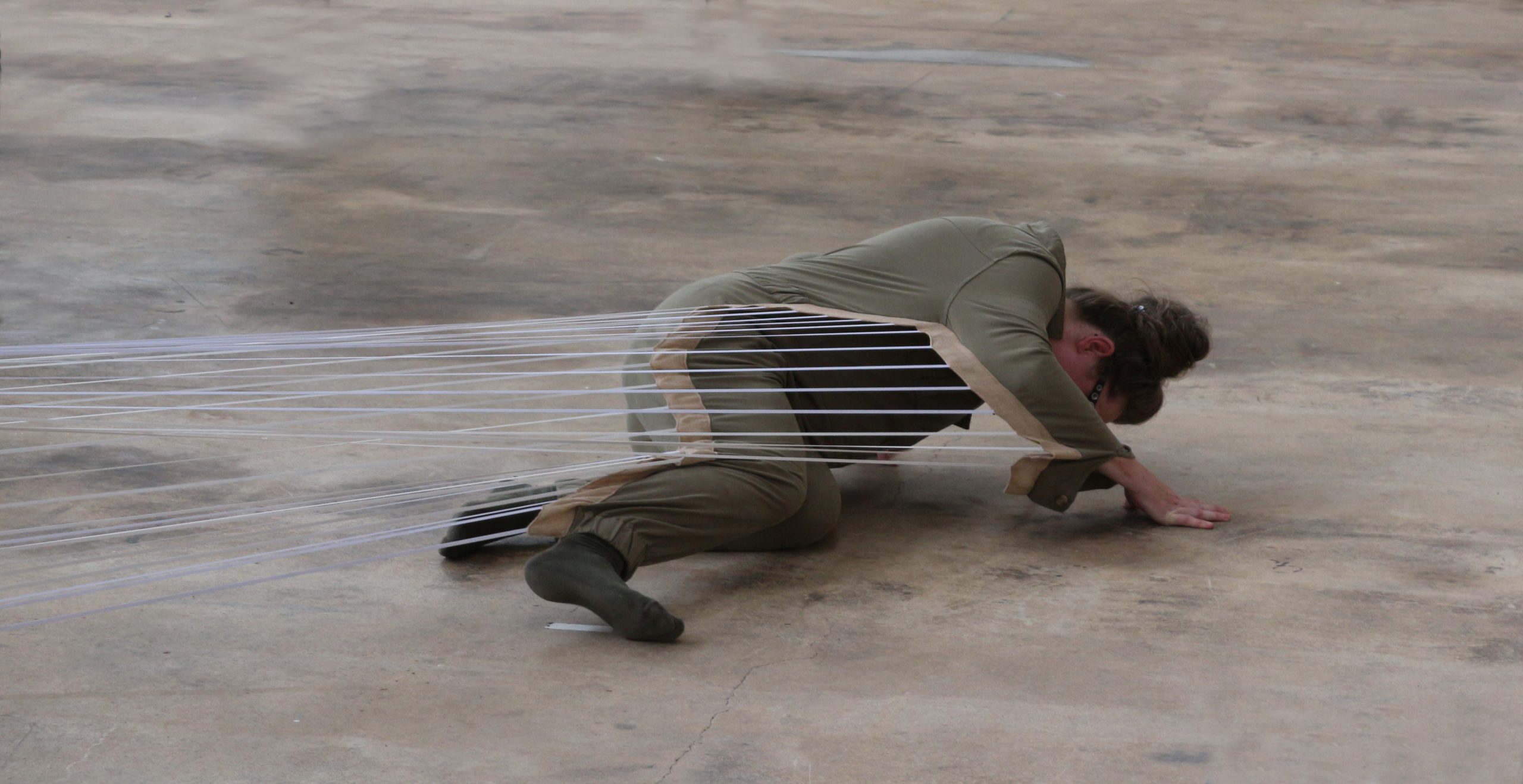
Nika Timashkova
Nika Timashkova (*1989 in Saporischschja, Ukraine) ist eine Multimedia-Künstlerin und Forscherin aus Basel. Sie hat einen BA in französischer Literatur und Linguistik sowie osteuropäischen Kulturen von der Universität Basel und einen Master in Art Practice vom Dutch Art Institute (DAI) in Arnheim, Niederlande.
Emmanuel Joan Ramon Pidré Starosta (1989), auch bekannt als Emma Pidré, ist ein argentinisch-spanischer Künstler, geboren in Buenos Aires, Argentinien, und lebt und arbeitet derzeit in Basel. Er hat ein Diplom in Bildender Kunst von der Weißensee Kunsthochschule Berlin sowie einen MA vom Institut Art Gender Nature / FHNW Basel.
Brenda Dell’Anna (2002, in Basel) ist eine italo-schweizerische Künstlerin, die in Basel und Moutier lebt. Sie hat kürzlich ihren Bachelor in Fine Arts am Institut Art Gender Nature der HGK Basel FHNW abgeschlossen.
Mirjam Spoolder wurde in den Niederlanden geboren und lebt seit 2007 in Basel, Schweiz. Sie studierte Bildhauerei an der Kunstakademie AKI/ARTEZ in Enschede und Bühnenmanagement am Rotterdamer Centrum für Theater (RCTH), beide in den Niederlanden. 2010 schloss sie ihr Masterstudium der Bildenden Kunst mit Schwerpunkt Performance Kunst an der Hochschule für Gestaltung und Kunst HGK/FHNW in Basel ab.
Kirill Savelev
Artist staitment The subject of my photographs, texts, and videos is the everyday existence of animals, things, and people, as well as the moments when relationships between them emerge. My practice is predominantly intuitive. Even when there is a precise plan for a project, success more often occurs in the ruins left by the collision of that plan with reality. For me, making art is a kind of «rummaging in the dark,» in the unknown. This rummaging allows for a momentary illumination of the darkness. It is impossible to see the entire territory, but one can infer it by remembering the brief glimpses through the «slits» one has made and mentally connecting them. This applies both to the experience of working with photography (which is why flash is often present in the images) and to working with text. In the case of text, it is like photographing the thoughts in one’s head.
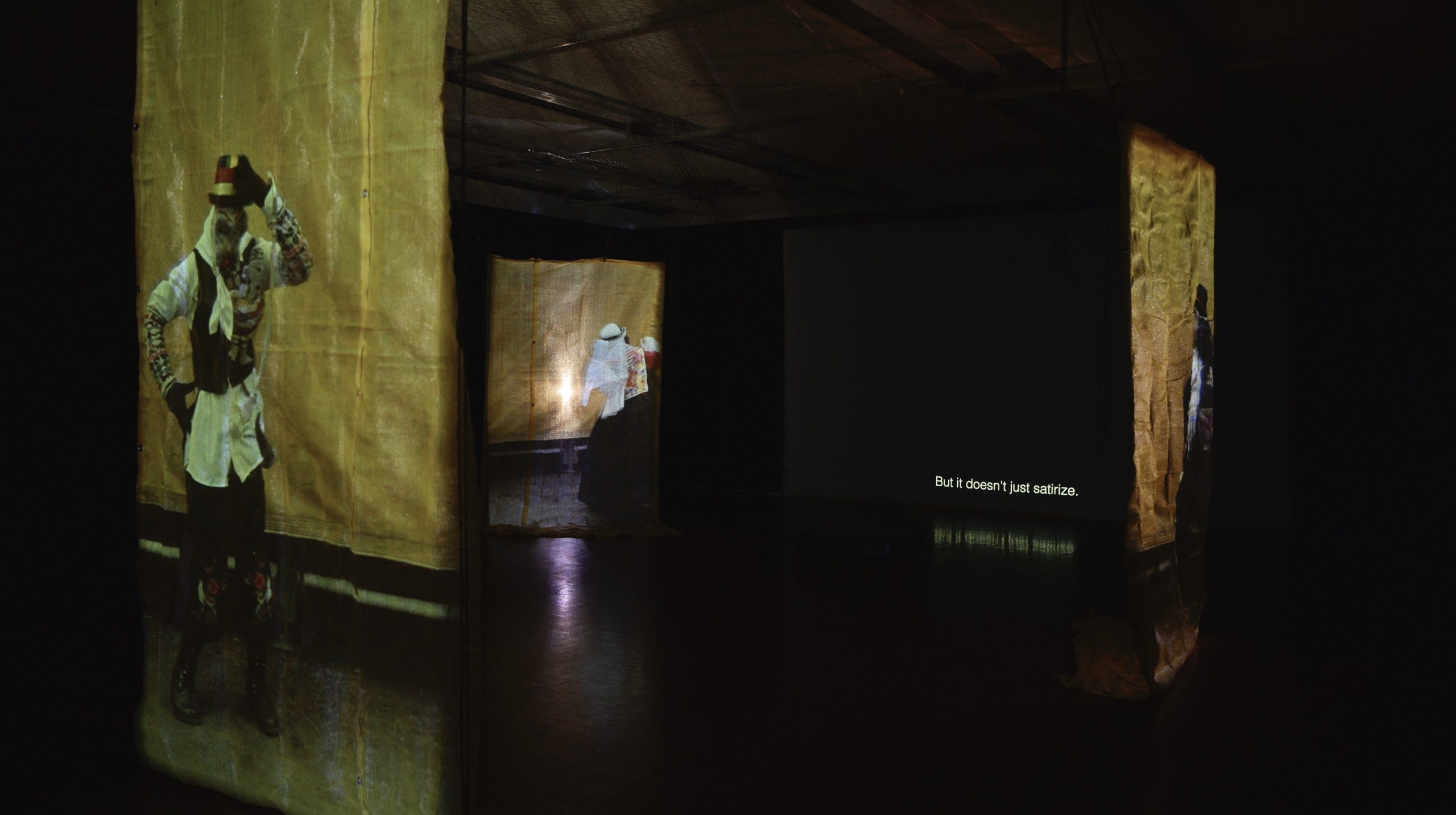
Carla Blanca Corminboeuf
Swiss-Peruvian artist based in Bern, working with images ranging from fine art to video installation. Her research explores questions of memory, identity, and cultural transmission, examining how personal and collective identities are carried, embodied, and reshaped over time.
Having grown up immersed in Andean culture through traditional Peruvian dance, she has developed a keen awareness of how heritage is experienced, performed, and passed on. Her creative process involves assembling various elements, including images, sound, movement, and spatial components, to create personal narratives and visual interpretations of thoughts, memories, and emotions.
Her master’s research focuses on “Llaky”, a Quechua word used to describe a negative emotional state, a kind of melancholy unique to the Andean region. Building on this, she explores collective memory and cultural identity, as well as other regional issues, such as social structures inherited from colonization.
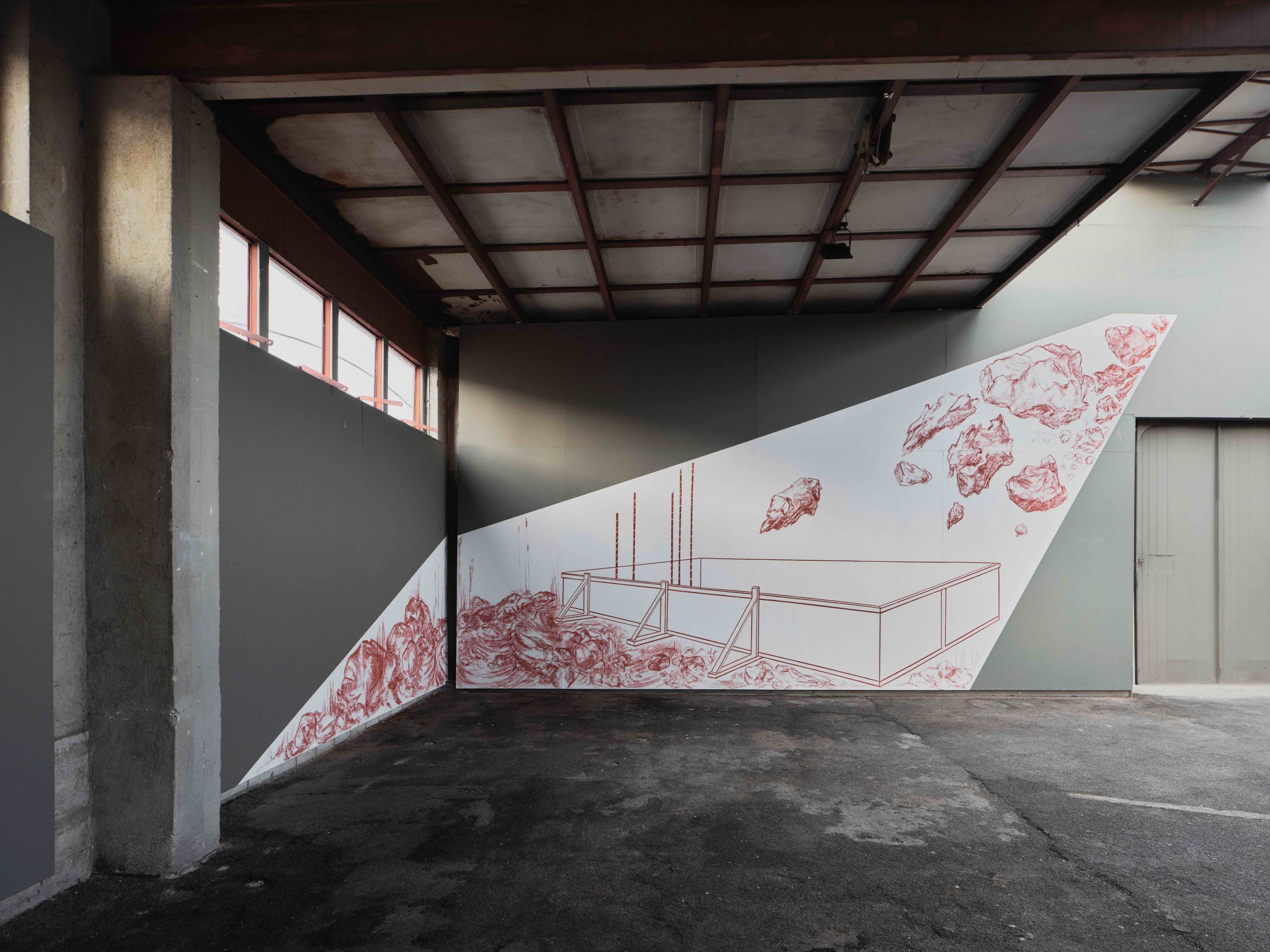
Ana Vujic
Ich bin eine Zeichnerin.
Mit meinen Architektur- und Menschendarstellungen eröffne ich Räume. Lebensgrosse Figuren begegnen uns auf Augenhöhe.
Sie zeigen gesellschaftliche Machtstrukturen und Konventionen aus einer subjektiven Perspektive.
Persönliche und soziale Identitäten sind ineinander verwobene Konstrukte. Als Frau, Mutter und Migrantin entflechte ich diese.
Ambivalenz und Widersprüche prägen die ständigen Verhandlungen unseres alltäglichen Lebens.
Die Zeichnungen symbolisieren die Hindernisse und Herausforderungen, die sich aus gesellschaftlichen oder selbstgestellten Erwartungen und Idealen stellen.
Meine Protagonist:innen bewegen sich in surrealen Kulissen, die zum Umbruch aufrufen.
Und doch sind die Bilder Haltestellen einer erdachten, ansatzweise erlebten und stets nie zu Ende erzählten Geschichte.
Meine Zeit rennt in unterschiedliche Richtungen.
Vergangenheit, Traum und utopische Vorstellungen sind stets ineinander verwobene Knotenpunkte.
Zeichnerisch trifft Präzision auf Abstraktion.
Weisse Leerstellen sind Platzhalter für das Ungeschriebene und das noch Ungewisse.
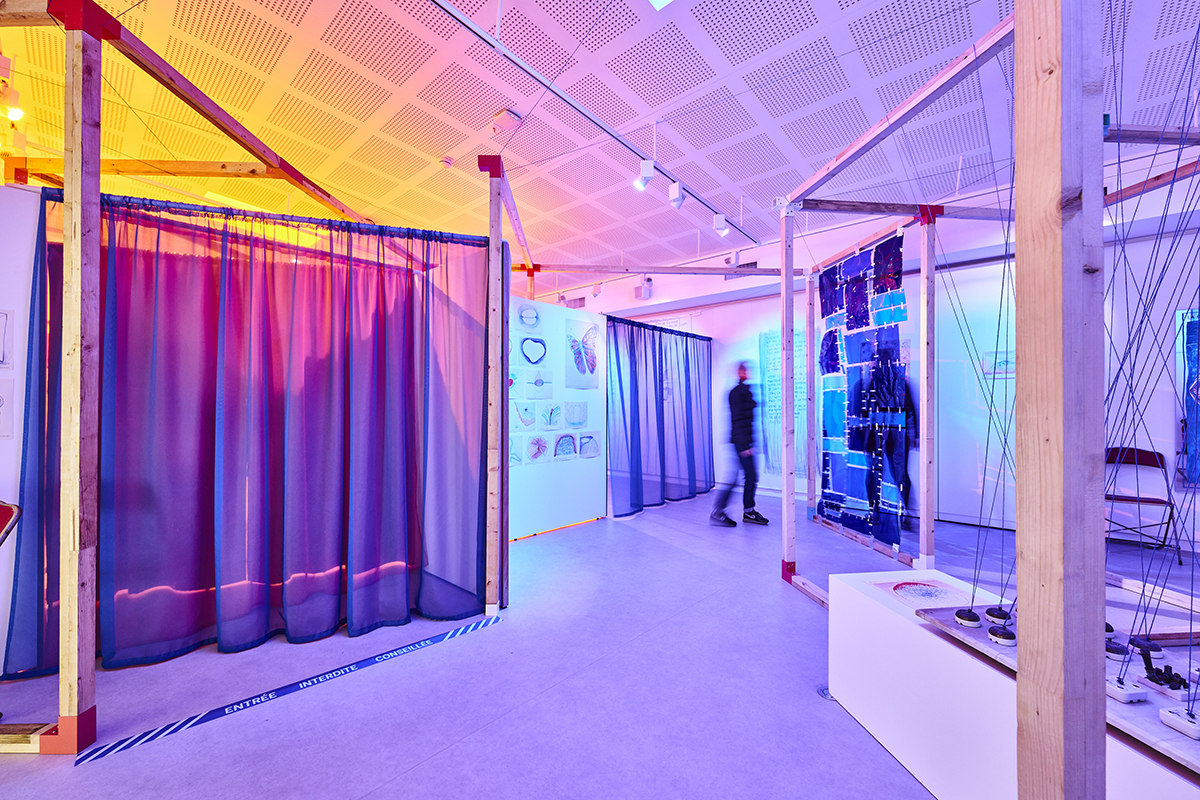
Clémence Chiron
J’invente des histoires à raconter dans l’espace. Des prétextes à la rencontre, à ladécouverte et aux échanges. Je m’intéresse aux liens créés avec les publics telun dialogue autour des émotions et des sensations. Je travaille sous formed’accumulation d’éléments distincts et indépendants qui forment un ensemblecohérent. L’accumulation peut-être visible à l’échelle du dessin, du podcast oude l’espace. Sas après sas, les publics découvrent un univers où les couleurs etles jeux de lumières ont une place majeure.En principe, en scénographie, je m’inspire d’un livre, d’un texte existant pourcommencer à dessiner. En 2024, avec l’émergence de mon double artistiqueBourcatine de Tararin, je commence à créer différemment. Avec l’exposition « LaNaissance de Bourcatine », j’écris mes propres poèmes tel un support au dessinet à la création spatiale. Ce double artistique me permet de composer ununivers qui évolue avec le temps et la vie de ce personnage invisible, qui entreses angoisses et ses joies, dessine constamment des coquelicots, chapitre aprèschapitre.À chaque projet, je cherche à rendre accessibles des univers en m’intéressant
particulièrement à l’expérience des visiteurs tel un dialogue entre eux etl’œuvre. Cette œuvre peut-être un dessin, une installation immersive ou unpodcast à dessiner. Des liens pour faire sens et se rencontre.Qui est Bourcatine de Tararin ?Bourcatine, c’est ma cousine. Rares sont celles et ceux qui l’ont croisée.On dit qu’elle se cache entre le mur et la tapisserie.Bourcatine, c’est la fille du centre-bourg. Rurale et un peu citadine aussi.De Tararin, ça vient d’une histoire de presque rien. Quand on commencequelque chose, c’est toujours à partir de presque rien. Puis, pas après pas, onavance