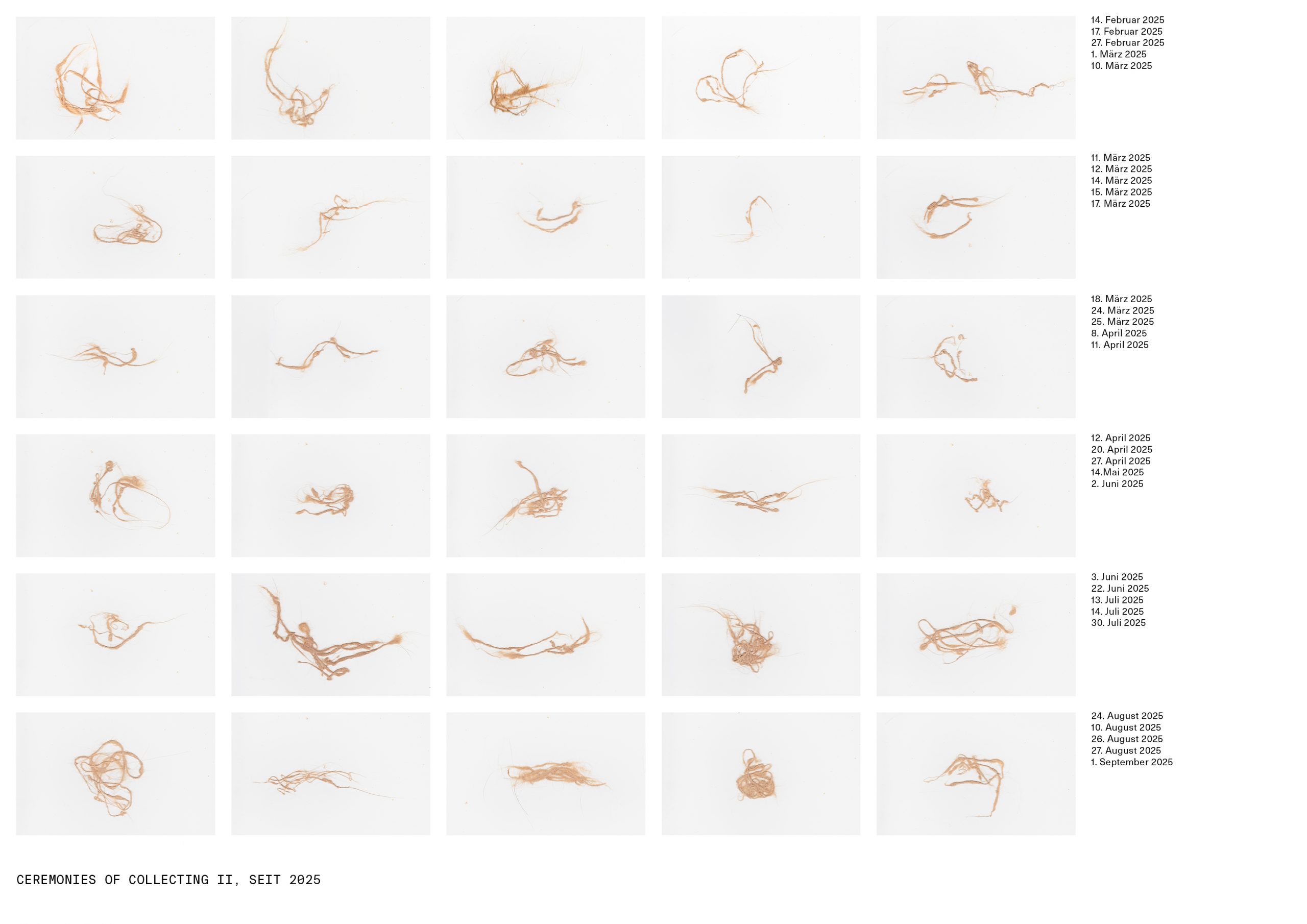
Nadine Bitterli arbeitet an der Schnittstelle von Kunst, Gestaltung und Handwerk. Ihre Praxis ist prozessorientiert und materialbezogen. Ausgangspunkt sind häufig einfache Handlungen wie Zeichnen, Ordnen, Wiederholen oder Spinnen. Aus diesen elementaren Gesten entwickeln sich Arbeiten, die sich mit Zeit, Rhythmus und Verdichtung auseinandersetzen. Geprägt durch ihren Hintergrund in visueller Gestaltung bringt sie ein ausgeprägtes Bewusstsein für Struktur, Komposition und Form in ihre künstlerische Arbeit ein. Diese formale Klarheit wird jedoch bewusst geöffnet: Kontrollierte Systeme treffen auf intuitive, körperliche Prozesse. Es entstehen Spannungsfelder zwischen Ordnung und Auflösung, zwischen Planung und Zufall. In den letzten Jahren hat sie verstärkt handwerkliche Techniken in ihre Praxis integriert. Das Arbeiten mit Fasern, Fäden und textilen Prozessen erweitert ihre Auseinandersetzung mit Linie und Struktur in den Raum. Der Faden wird zur dreidimensionalen Zeichnung, Material zur Spur von Zeit. Auch Papier, serielle Anordnungen und fragmentarische Formate sind wiederkehrende Elemente ihrer Arbeit. Zentral ist nicht das perfekte Resultat, sondern der sichtbare Prozess. Wiederholung erzeugt Rhythmus, kleine Verschiebungen erzeugen Bedeutung. Ihre Arbeiten bewegen sich zwischen Zeichnung, Objekt und installativen Setzungen und laden dazu ein, genau hinzusehen: auf Übergänge, Verdichtungen und leise Veränderungen. Ihre künstlerische Praxis versteht sich als forschend. Sie untersucht, wie Form entsteht – nicht als festgelegtes Ziel, sondern als Ergebnis von Aufmerksamkeit, Handlung und Dauer.
Type : permanent
Daniela Beck
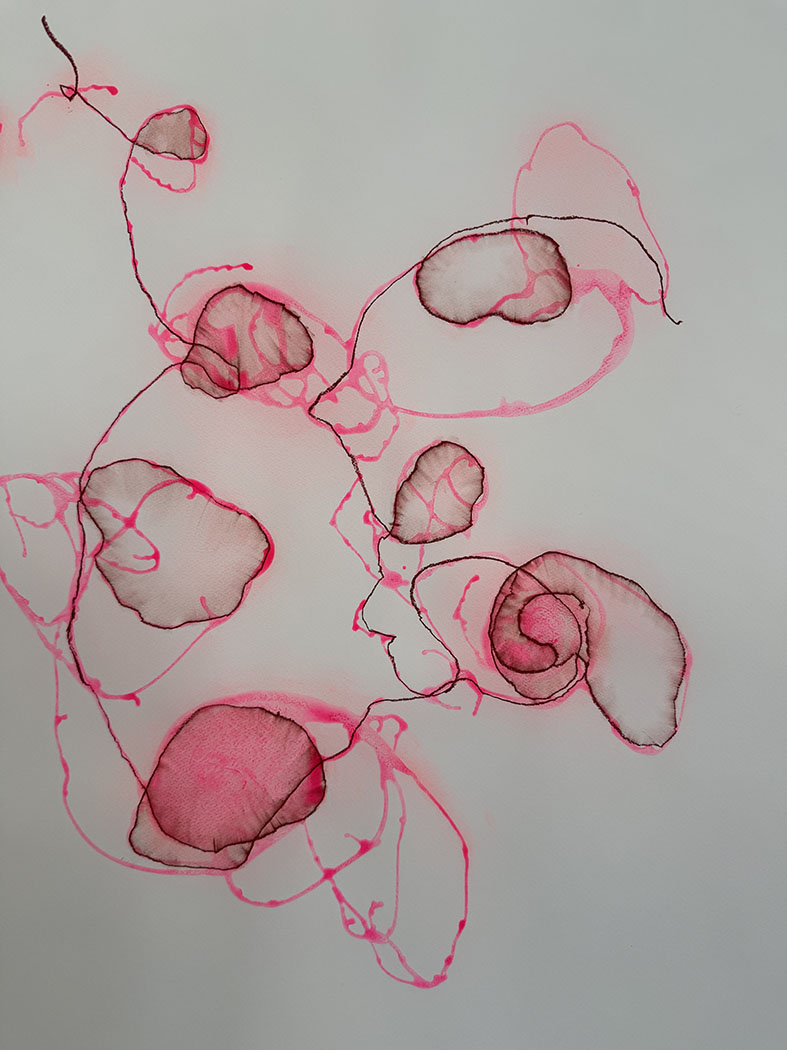
Daniela Beck ist bildende Künstlerin. Sie lebt und arbeitet in Basel. Ihre Bildsuche geht oft über die Bewegung und den gelenkten Zufall. Materialexperimente bewegen sich zwischen Zeichnung und Malerei. Mit ihren Assemblagen aus Textilem erörtert sie innere und äussere Räume. Der Körper bildet den Ausgangspunkt.
Madeleine Ashie-LEroy
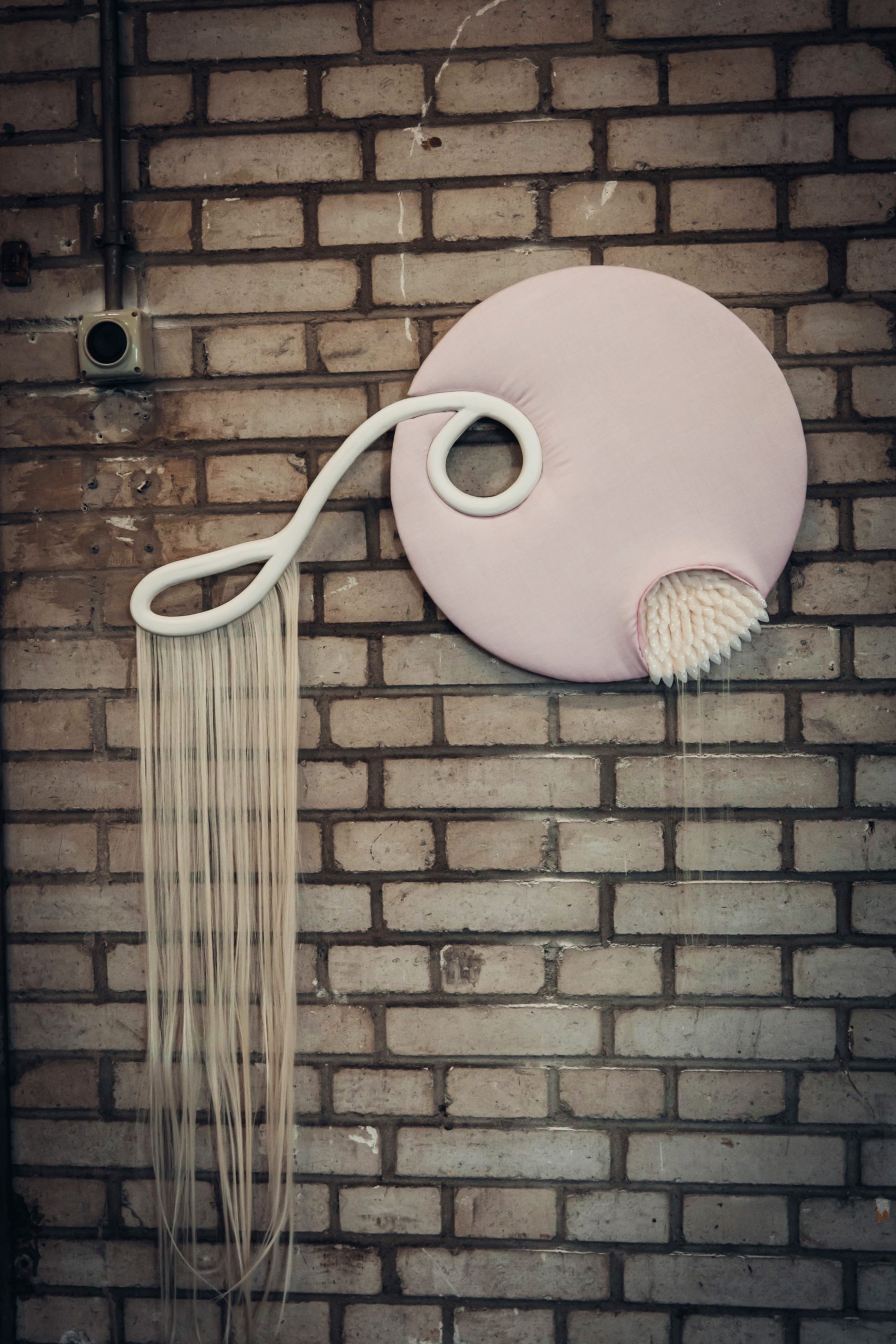
Ich arbeite an der Schnittstelle von Körper, Ornament und Macht. Meine Arbeiten bewegen sich zwischen Skulptur, Installation und Objekt. Sie entstehen aus einem Interesse an Form als Träger von Begehren, Projektion und Ordnung. Der Barock ist dabei ein wichtiger Bezugspunkt. Nicht als Stilzitat, sondern als Haltung: Übermaß, Verdrehung, Glanz, Oberfläche, theatralische Geste. Mich interessiert das Ornamentale ebenso wie das Bedrohliche. Viele meiner Formen oszillieren zwischen Waffe und Fetisch, zwischen Schutzobjekt und Angriffsfläche, zwischen Fantastik und Funktion. Sie können glänzen, locken, abweisen. Sie bleiben ambivalent. Ich arbeite mit Materialien wie Gummi, Keramik, Textilien oder beschichteten Oberflächen. Diese Stoffe besitzen eine körperliche Qualität. Sie erinnern an Haut, Membran oder Panzer. Sie sind weich und widerständig zugleich. In dieser Materialität liegt eine Spannung zwischen Intimität und Rüstung, zwischen Verletzlichkeit und Inszenierung. Ein wiederkehrendes Motiv ist das Phallische. Nicht als Symbol männlicher Potenz, sondern als kulturell stark codierte Form, die Macht, Ordnung und Richtung behauptet. Auffällig ist, dass es für dieses Zeichen kein sprachlich gleichwertiges weibliches Pendant gibt. Diese Asymmetrie interessiert mich. Meine Arbeiten reagieren darauf nicht mit Illustration, sondern mit Verschiebung. Formen kippen, verlieren ihre Eindeutigkeit, werden Ornament, Wucherung, Fragment oder Hülle. Mich reizt der Moment, in dem ein Objekt nicht mehr klar benennbar ist. Wenn es zwischen Fantasie und Funktion schwebt, zwischen Attraktion und Gefahr. In diesem Zwischenraum entstehen meine Arbeiten. Sie behaupten nichts, sie verführen, irritieren oder widersprechen. Bedeutung bleibt beweglich. Ich verstehe meine Praxis als formale und materielle Auseinandersetzung mit Machtstrukturen, die sich im Körperlichen einschreiben. Skulptur wird dabei zu einem Ort, an dem Glanz und Gewalt, Begehren und Abwehr gleichzeitig sichtbar werden können.
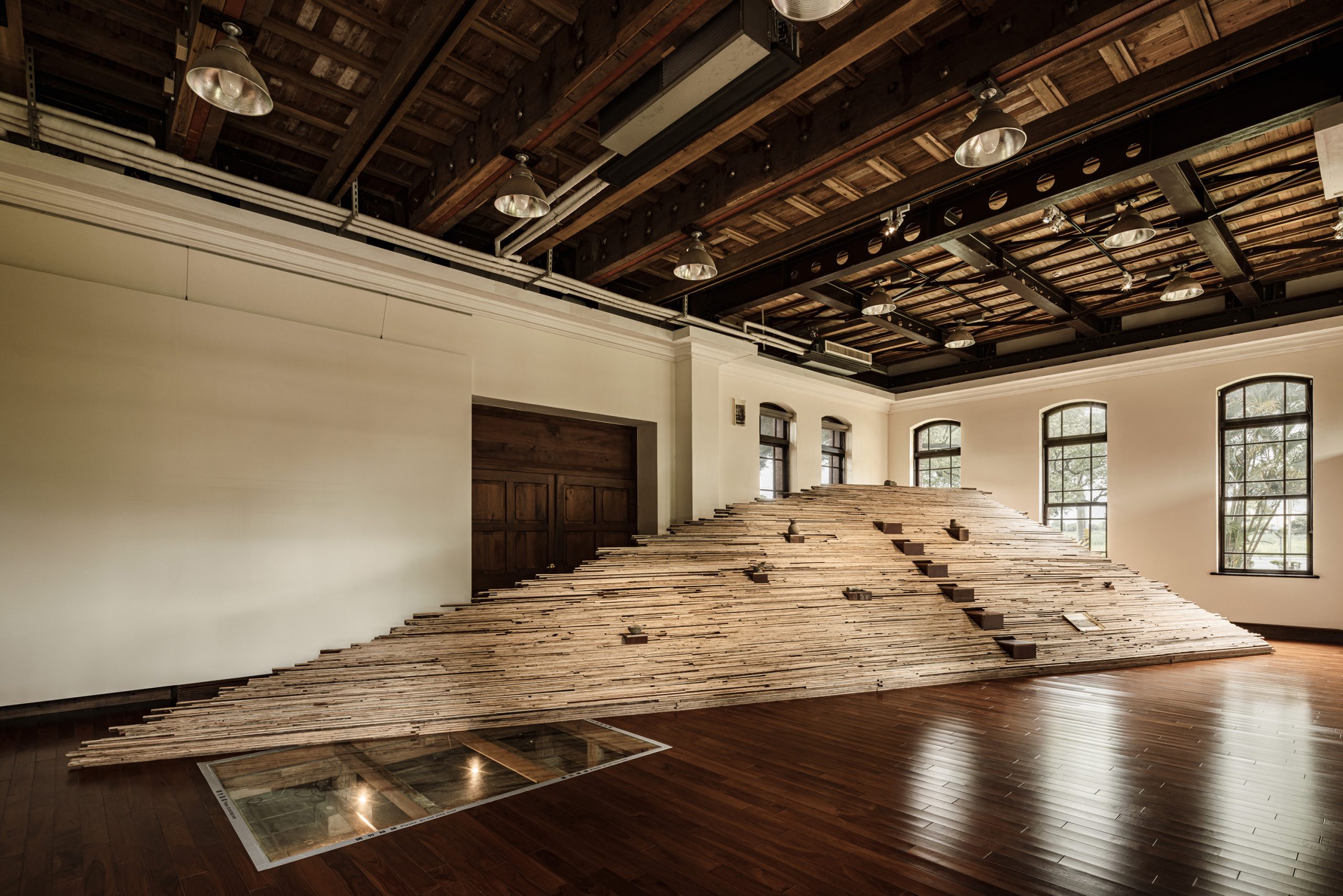
Po-Jen Wei
Lives and works in Taoyuan, Taiwan.
His practice spans installation, sculpture, drawing, performance, and video, with a sustained focus on delineating the boundaries and spatial landscapes, exploring the sensory interweaving between personal life experiences and the material world. His works often begin with bodily perception and close observation of textures, using shifts in scale to capture the interplay of presence and absence within space, as well as the tension and pull of boundaries. Through this, he constructs a resonant field in which emotion and material enter into dialogue.
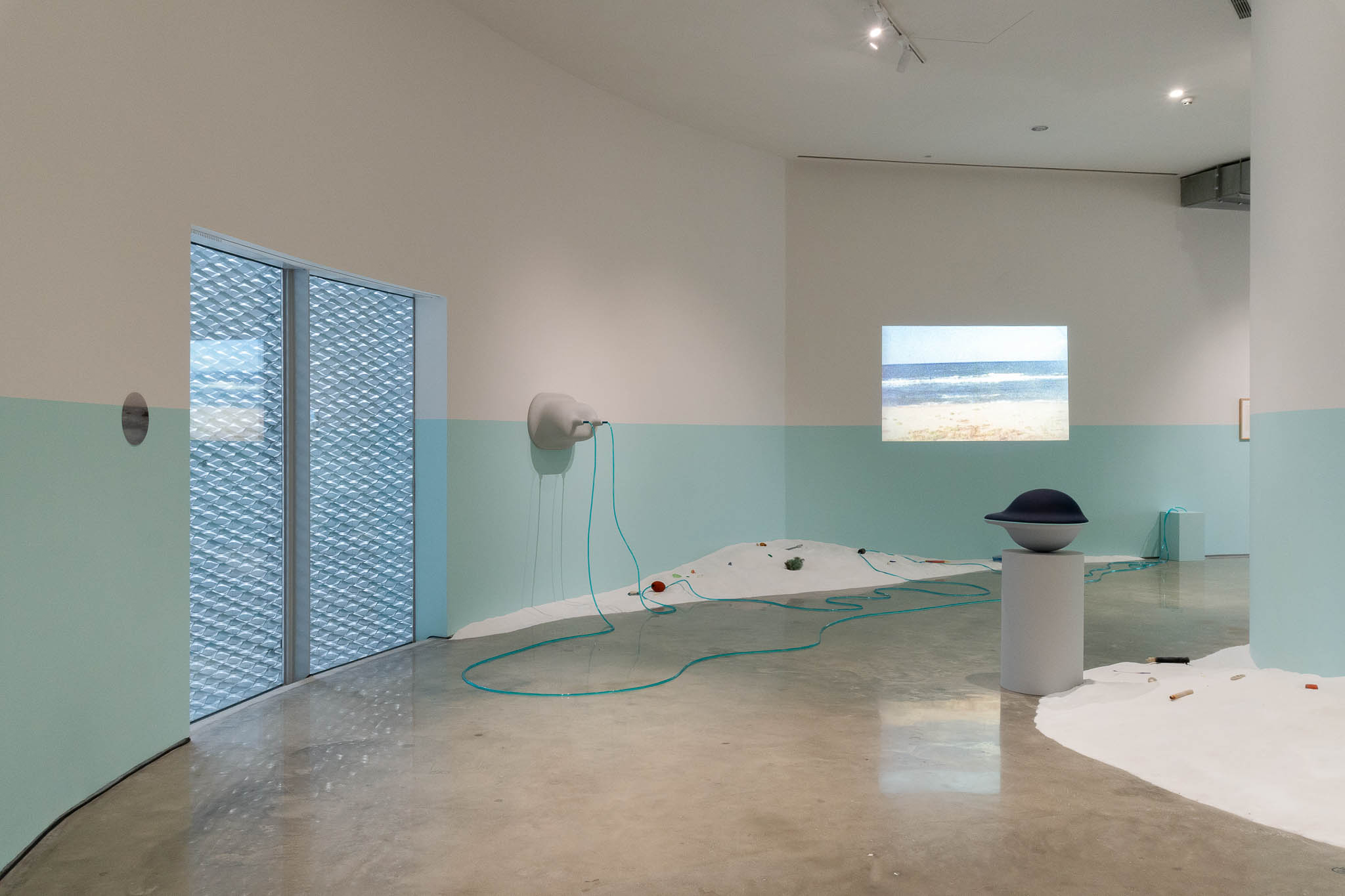
Yuya Suzuki
Focusing on the intermediate zones within urban environments—those between the private and the public, and between the artificial and the natural—Yuya Suzuki extracts symbolic images through the process of drawing, based on the forms of “residues” generated by the interactions among urban metabolism, natural forces, and human consumption. Using these as the foundation of his own visual language, he employs various media—including sculpture, video, painting, and kinetic objects—to reconstruct the real world through mixed-media installations.
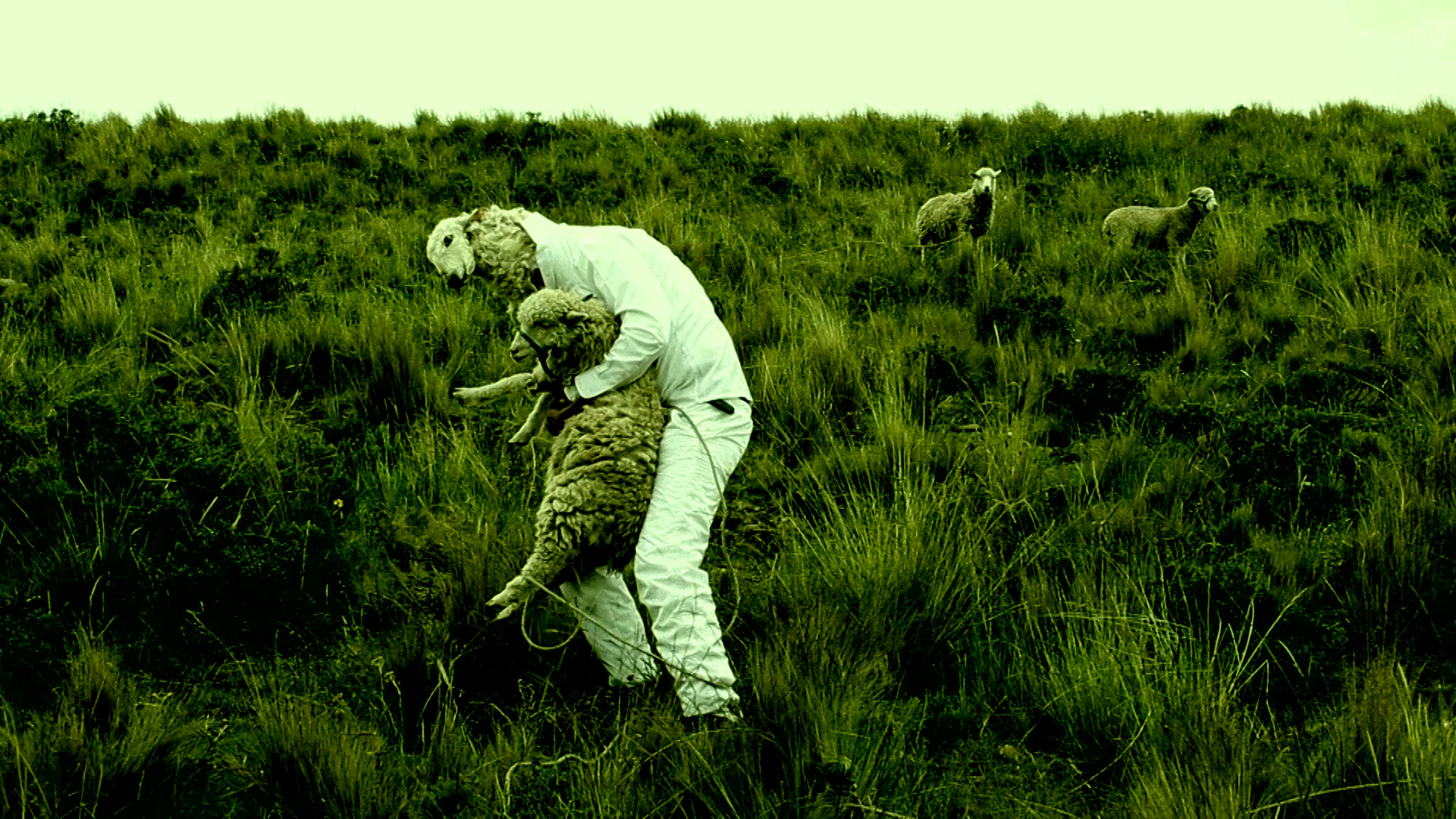
Iván Cáceres
The attempt to rationalize dreams and their spaces leads me to map them. This begins the moment they occur and continues when they are narrated or written down to solidify their memory, reassigning and triangulating. I let myself be carried away by machines that transport me and by projections of myself with dreamlike faces, comparing possible stops in a world that is just beginning to be built with its own cities, its own sounds, its own images, and its own dreams. I think that dreams serve to reorganize memories, a healthy hallucination for studying the brain. They are the particles that make up our experience, and how this activity shapes consciousness and therefore generates rhythmic bodily movements. We sleep due to information overload. The essence of dreams is incongruity and discontinuity. The brain is doing something else with information while we sleep….. Its basic geometry leads me into its psychology as an element of interconnection of space within a dream, creating a bricolage of organic sets reflected in video installations that concretize these dreams in materiality, capable of deconstructing the boundaries between real space and psychological spatiality, through synoptic charts of ancient languages and peoples, reaching the very depths of our dreams as an orientation to topophy, which aspire to take on human value.
Amador Antonio
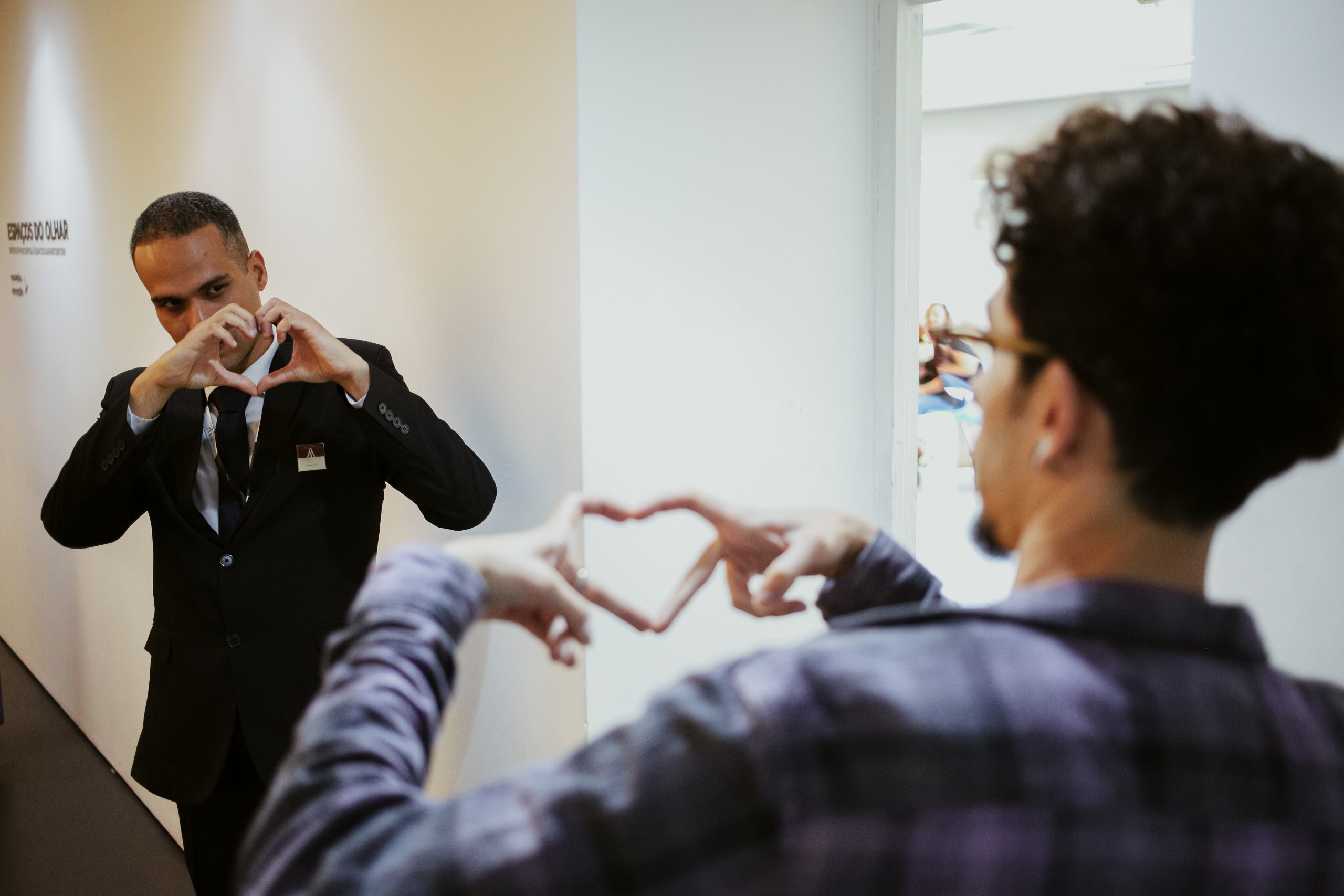
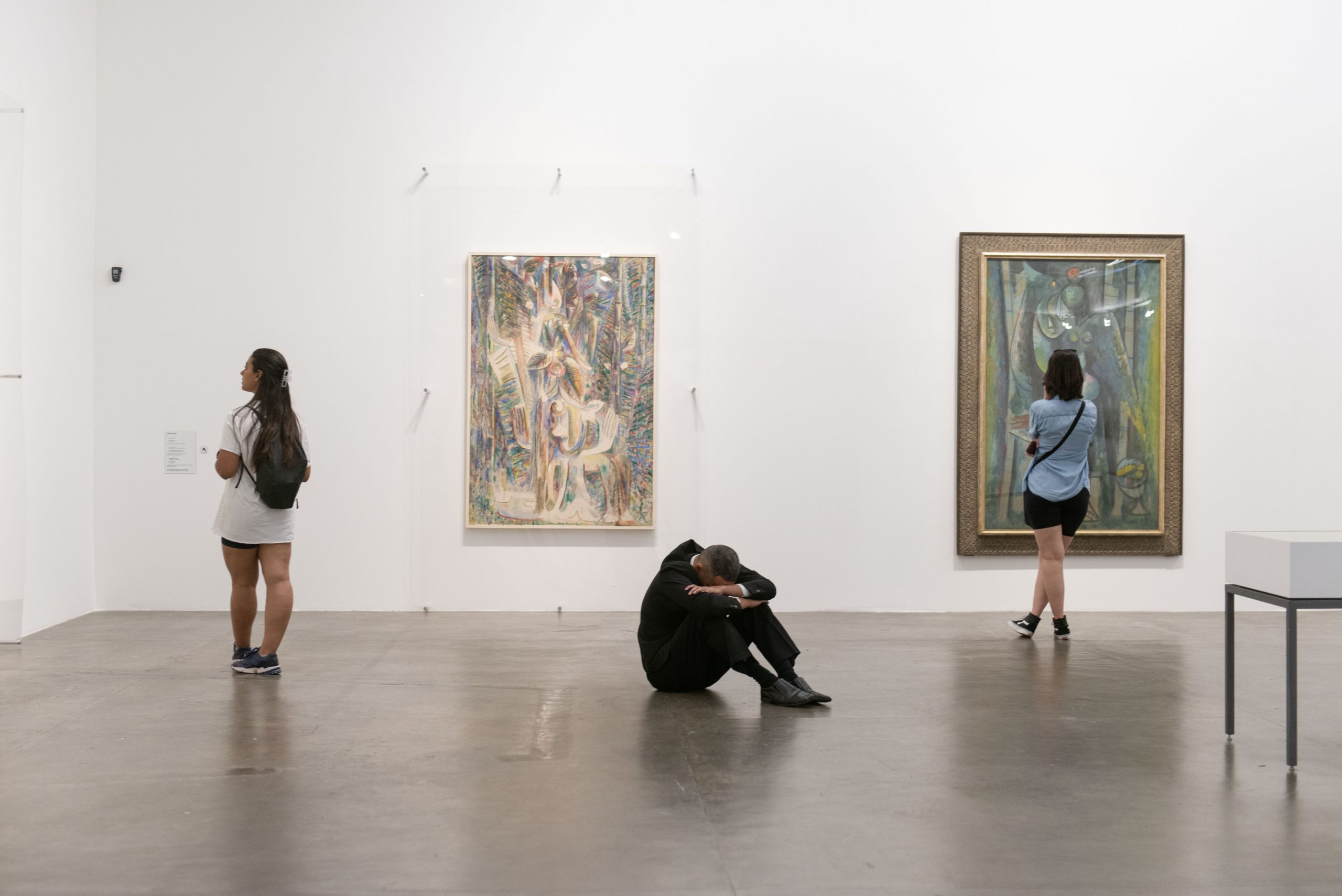
Amador e Jr. Segurança Patrimonial Ltda. [Amador and Jr. Patrimonial Security Ltd.], performative proposals developed by Antonio Gonzaga Amador and Jandir Jr., carried out in art institutions by the artists themselves dressed in security uniforms. The central problems arise from the relation between institutions like these and the people who work in their safeguards on a daily basis.
Jr. Jandir
Amador e Jr. Segurança Patrimonial Ltda. [Amador and Jr. Patrimonial Security Ltd.], performative proposals developed by Antonio Gonzaga Amador and Jandir Jr., carried out in art institutions by the artists themselves dressed in security uniforms. The central problems arise from the relation between institutions like these and the people who work in their safeguards on a daily basis.
Stephanie Creaghan
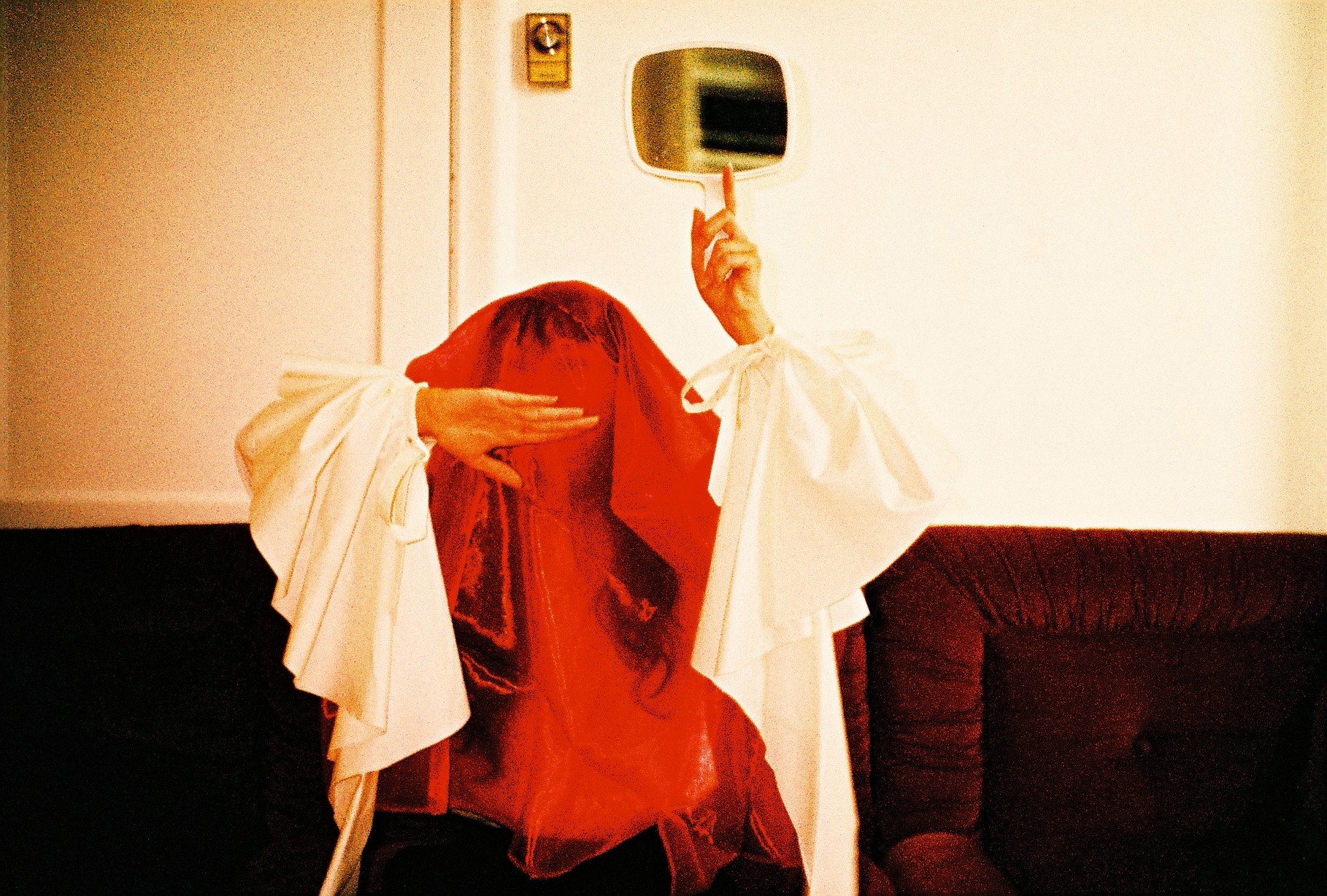
Stephanie E. Creaghan is a video artist and filmmaker who makes work about how violence presents itself in communication. Their first solo exhibition in New York, ‘That Guy,’ took place in Fall 2025 at D.D.D.D. They have exhibited and performed in Montreal, Quebec City, Toronto, Chicago, New York, Los Angeles, Paris, Singapore, and Prague, and completed international residencies in Paris, France, Stolpe/Oder, Germany, New York, USA, and Wexford, Ireland, as well as at the Centre for Expanded Poetics in Montreal. Their work is in the Vtape collection, and they were commissioned to do a temporary public sculpture by the City of Outremont in 2022.
Sibylle Laubscher
“We need art that shows us beauty, taking us by the hand like a friend.”
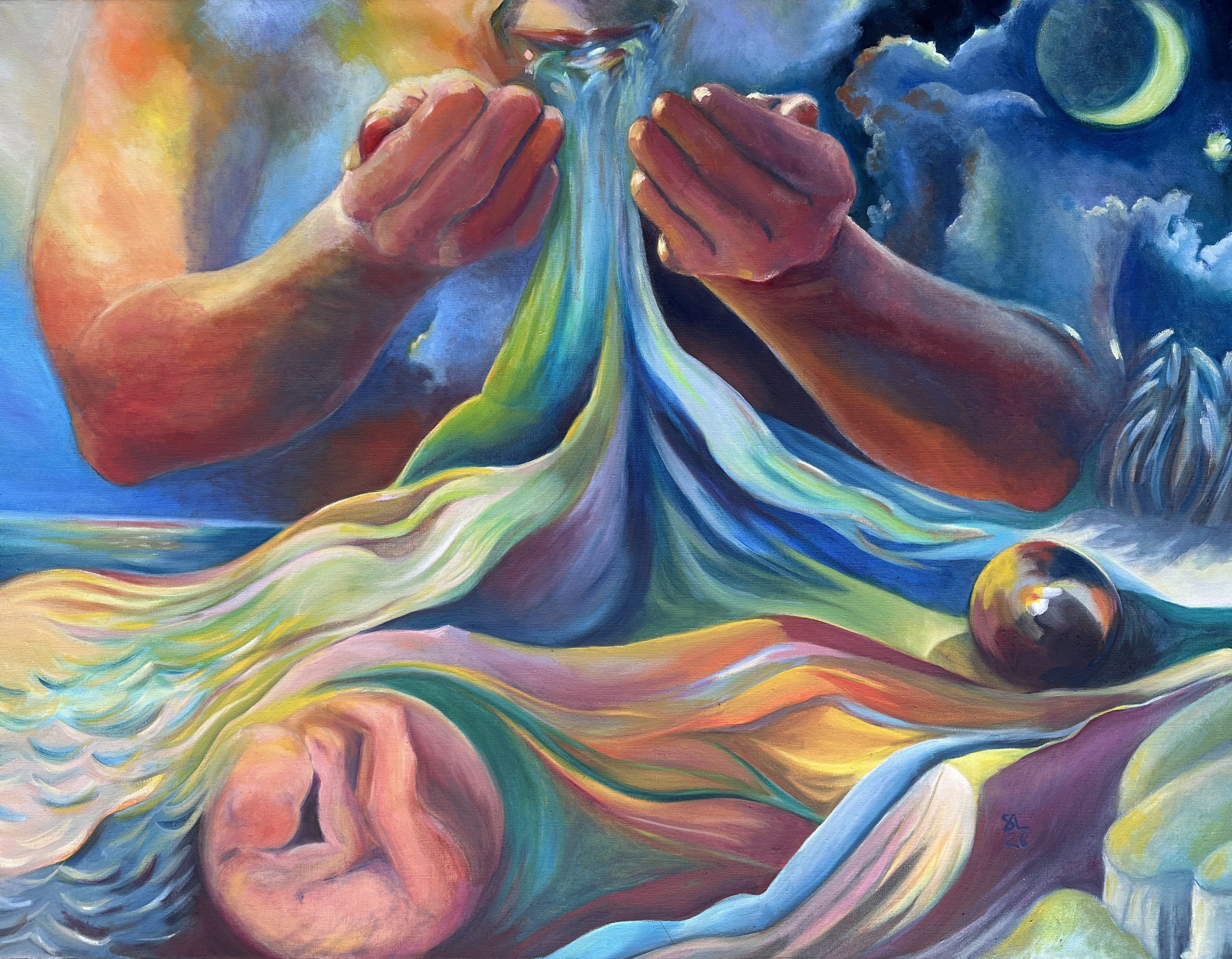
Sibylle Laubscher (CH/UK, *1971) is a painter and printmaker playing with light, form and movement from her studio in Switzerland, near Basel. She believes in the power of dreams and enchantments, feeling called to create new worlds containing wonder, joy and purpose. Worlds allowing the viewer to dream, offering hope in a time of crisis.
Her work seeks to uncover the numinous and reveal beauty. She believes in creating art that feels alive – inviting the viewer into a relationship, like an intimate conversation with a friend. Through her fascination with colour as light, form as space, movement as expression, and the spirit of play, her poetic-expressionist style opens a dialogue with anyone who engages with her work.
Sibylle believes in the connection of reading, drawing and painting. She approaches her art as a means of self-expression, often finding refuge in the act of creation. Since studying textile design, her love of printmaking has reignited. She is convinced of the power of the handmade: “art is made by people for people”, she insists. She believes art is vital to our wellbeing – a necessary form of human expression, and a life-sustaining force.
Nature and practice of drawing are central to her artistic exploration, alongside a deep engagement with art philosophy, myth and fairy tale. Exploring themes such as womanhood and the environment, her work exudes an open and atmospheric quality.