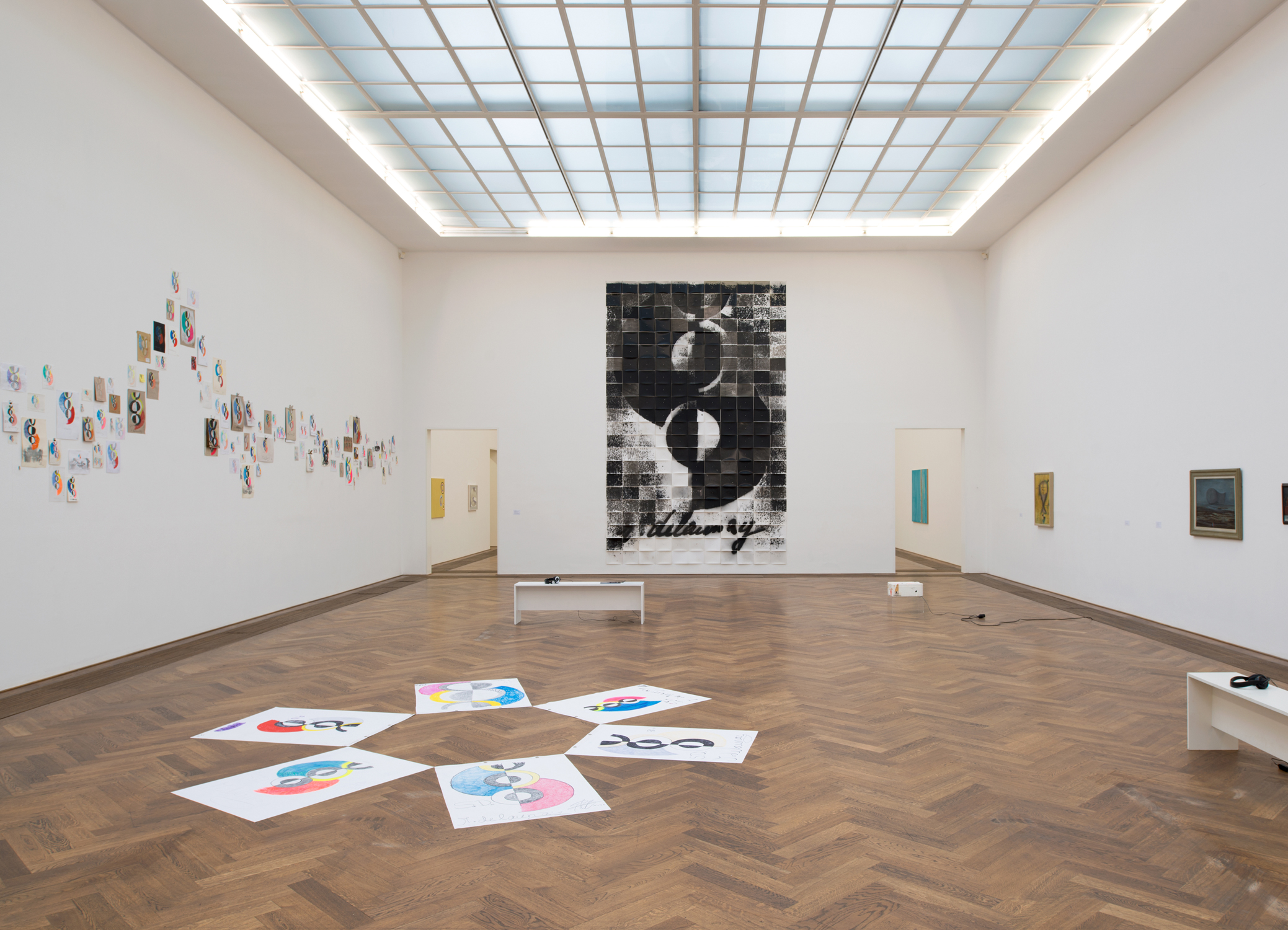
Katrin Niedermeier (*1978) lebt und arbeitet in Basel. In ihrer künstlerischen Praxis untersucht sie die Verflechtungen der „realen“, analogen Welt mit dem virtuellen Raum sowie den Einfluss digitaler Technologien auf die menschliche Existenz. Ihre Mixed-Media-Installationen – bestehend aus Animation, Installation, Video und Malerei – entste- hen als erweiterte Formen subjektiver Räume und Lebenswelten. In ihren Arbeiten treten multiple Alter Egos und hybride Identitäten auf, die Fragen nach Wahr- nehmung, Emotion und Selbstverortung innerhalb einer zunehmend vernetzten Gesellschaft aufwerfen. Durch das bewusste Verwischen der Grenzen zwischen Fiktion und Realität und das Öffnen des Bild- und Erfahrungsraums ins Unbekannte hinterfragt sie etablierte Vorstellungen von Mensch, Natur und Maschine. Niedermeiers Werke reflektieren deren wechselseitige Durchdringung, Interkonnektivität und Interaktion. Dabei entstehen vielschichtige Erfahrungsräume, in denen sich physische und digitale Sphären überlagern und neue Formen von Präsenz, Körperlichkeit und Beziehung sichtbar werden.
Pratiques : Multimedia
Céline Manz
Céline Manz est une artiste suisse multidisciplinaire dont le travail, fondé sur la recherche, explore l’influence des forces institutionnelles sur la visibilité historique et la manière dont le savoir se perpétue au sein des cadres dominants, tout en étant marginalisé. À travers l’installation, le son, l’image en mouvement et la recherche archivistique, elle examine les mécanismes de construction et de maintien des récits, en s’intéressant particulièrement aux perspectives féministes sur l’autorité et l’historiographie. Ses projets se développent souvent par le biais de recherches au long cours, mêlant expérimentation corporelle en atelier et collaborations scientifiques et archivistiques. Elle intègre des méthodes issues de la recherche artistique et des disciplines empiriques, les traduisant en formes sensorielles qui mettent en lumière ce que les récits dominants occultent partiellement. Matériaux fragiles, sons infrasonores et enregistrements in situ lui servent d’outils pour analyser la production et le maintien des lacunes dans le récit historique. La relation entre production du savoir et autorité institutionnelle est une préoccupation récurrente dans l’œuvre de Manz. Ses projets antérieurs ont exploré l’influence des cadres juridiques, des conventions archivistiques et des pratiques d’exposition sur la mémoire des artistes. Ses œuvres plus récentes étendent cette réflexion aux systèmes administratifs et scientifiques qui déterminent, souvent de manière insidieuse, quelles contributions resteront lisibles au fil du temps. Ses installations investissent fréquemment des lieux ou des corpus de recherche spécifiques, les transformant en environnements où des pans d’histoire occultés peuvent ressurgir sous forme d’expériences perceptives. En traduisant la recherche en rencontres physiques et acoustiques, elle invite le public à s’approprier le matériau historique par le corps autant que par l’intellect, soulignant que le passé se perçoit autant par les sensations que par les documents. À travers cette approche interdisciplinaire, Manz conçoit la pratique artistique comme une forme d’investigation capable de révéler les angles morts des récits officiels. Ses œuvres fonctionnent comme des espaces de recherche provisoires qui questionnent l’autorité institutionnelle tout en ouvrant la voie à d’autres manières d’appréhender le passé.
Didde Bourp Larsen
Didde Bo (b. 1997) is a multidisciplinary artist, born on the west coast in Denmark, working at the intersection of performance and speculative technology. They are currently pursuing their MFA at the Institute Art Gender Nature, Basel Academy of Art and Design FHNW.
Their recent research explores singing as a resonant extension of the body – an energetic act that opens cyclic time through the vibrational impact of sound waves. These acts can be archived by drawing, both physically and digitally. Their performances are relational and unfold in caring interactions between mythical entities from a wounded womb. They sing both to destroy and regenerate.
In addition they work in collaborative projects such as SWITCH collective and Collective Heartbreak.
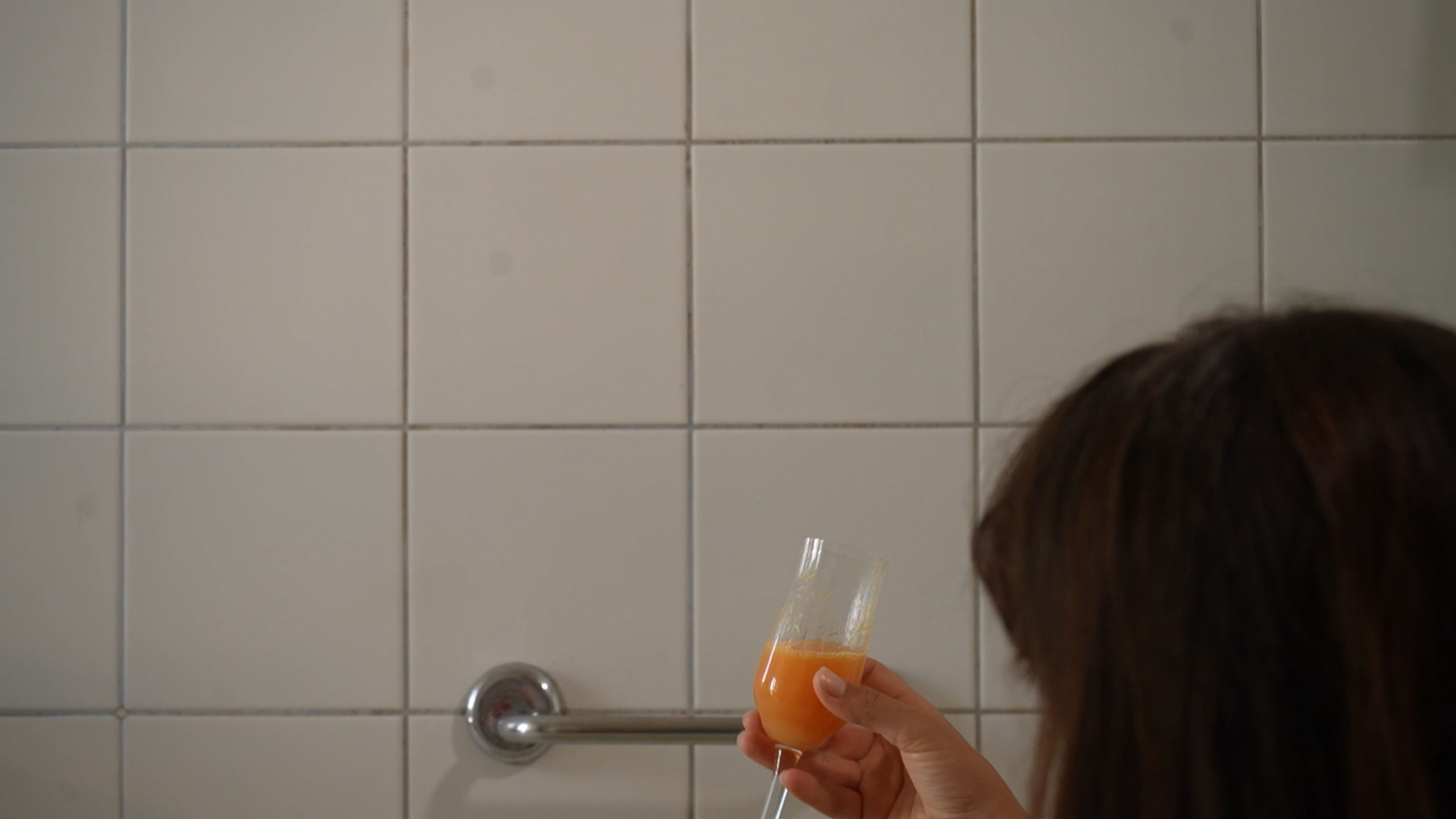
Soraya Oriana Blumer
I like to say that I choose the medium based on what I want to express and not the other way round. Over the years a pattern started cristallising: I start off with text, drawings, photography as research and end up with an immersive scenery, be it an interactive installation, a short film or a party setting. I would locate big part of my practice along feminist revisitations of Bourriauds relational aesthetics, as an act of care and community interventions. Formally I like clear composition, defined edges and monocromatic surfaces as well as polished, glossy and soft materials.
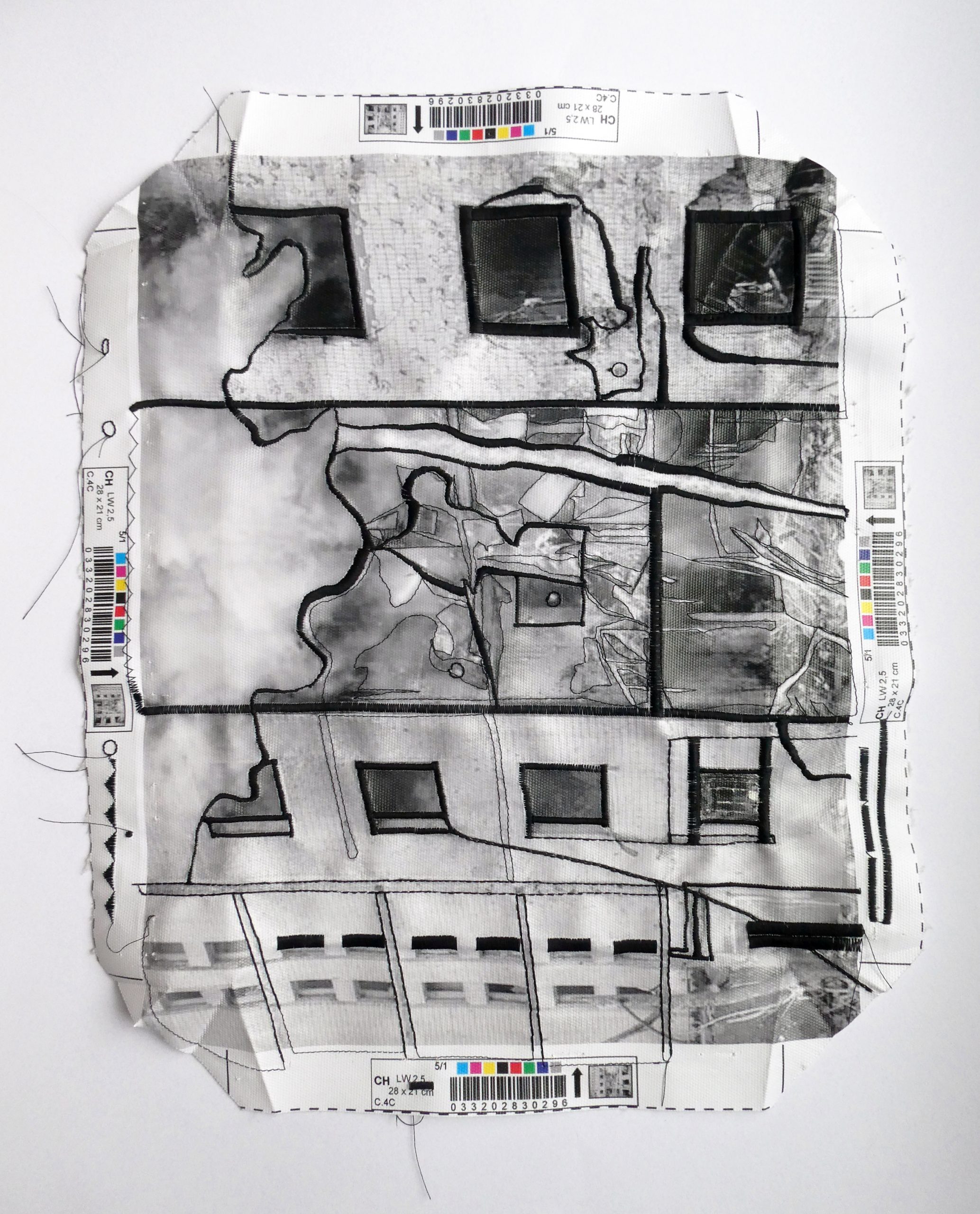
Mirjam Spoolder
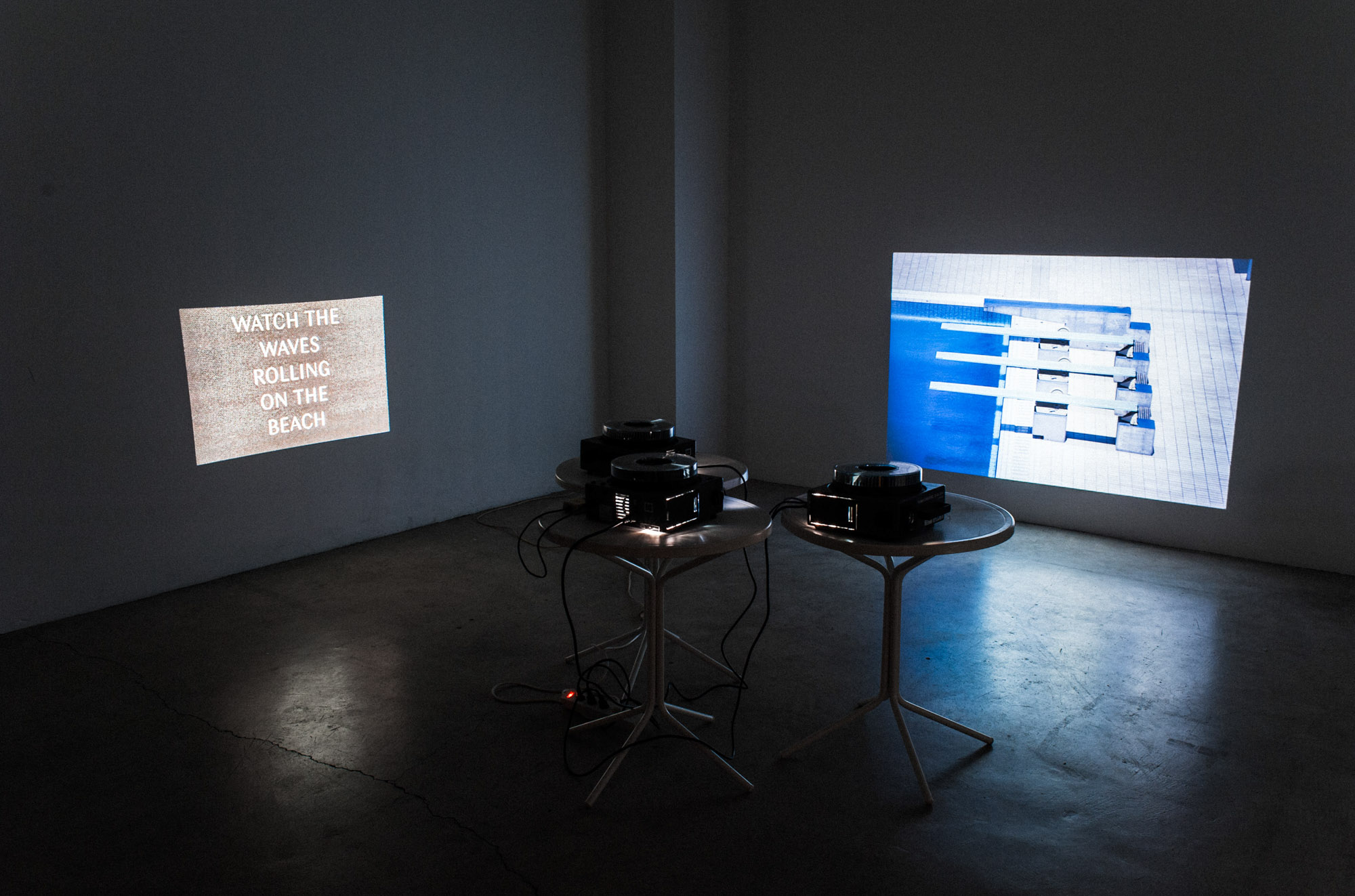
Simon Krebs
Simon Krebs arbeitet mit Fotografie, Film, Animation, Zeichnung und Musik.
Er produziert Ausstellungen, Filme, Musikvideos, Bücher und kooperiert gerne mit Musiker:innen, Autor:innen oder Mode-Designer:innen. Seine Arbeit zeichnet sich durch ein starkes Interesse für Menschen oder deren Fehlen, des Menschen Umgebung und Tätigkeit aus. Scheinbar alltägliches offenbart in Krebs’ Arbeit eine eigentümliche Magie oder ein humorvolles Gruseln.
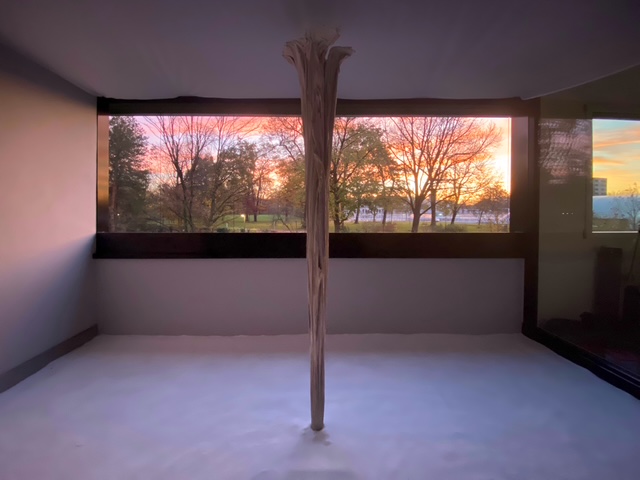
Pavel Kovalenko
Kirill Savelev
Artist staitment The subject of my photographs, texts, and videos is the everyday existence of animals, things, and people, as well as the moments when relationships between them emerge. My practice is predominantly intuitive. Even when there is a precise plan for a project, success more often occurs in the ruins left by the collision of that plan with reality. For me, making art is a kind of «rummaging in the dark,» in the unknown. This rummaging allows for a momentary illumination of the darkness. It is impossible to see the entire territory, but one can infer it by remembering the brief glimpses through the «slits» one has made and mentally connecting them. This applies both to the experience of working with photography (which is why flash is often present in the images) and to working with text. In the case of text, it is like photographing the thoughts in one’s head.
Carla Blanca Corminboeuf
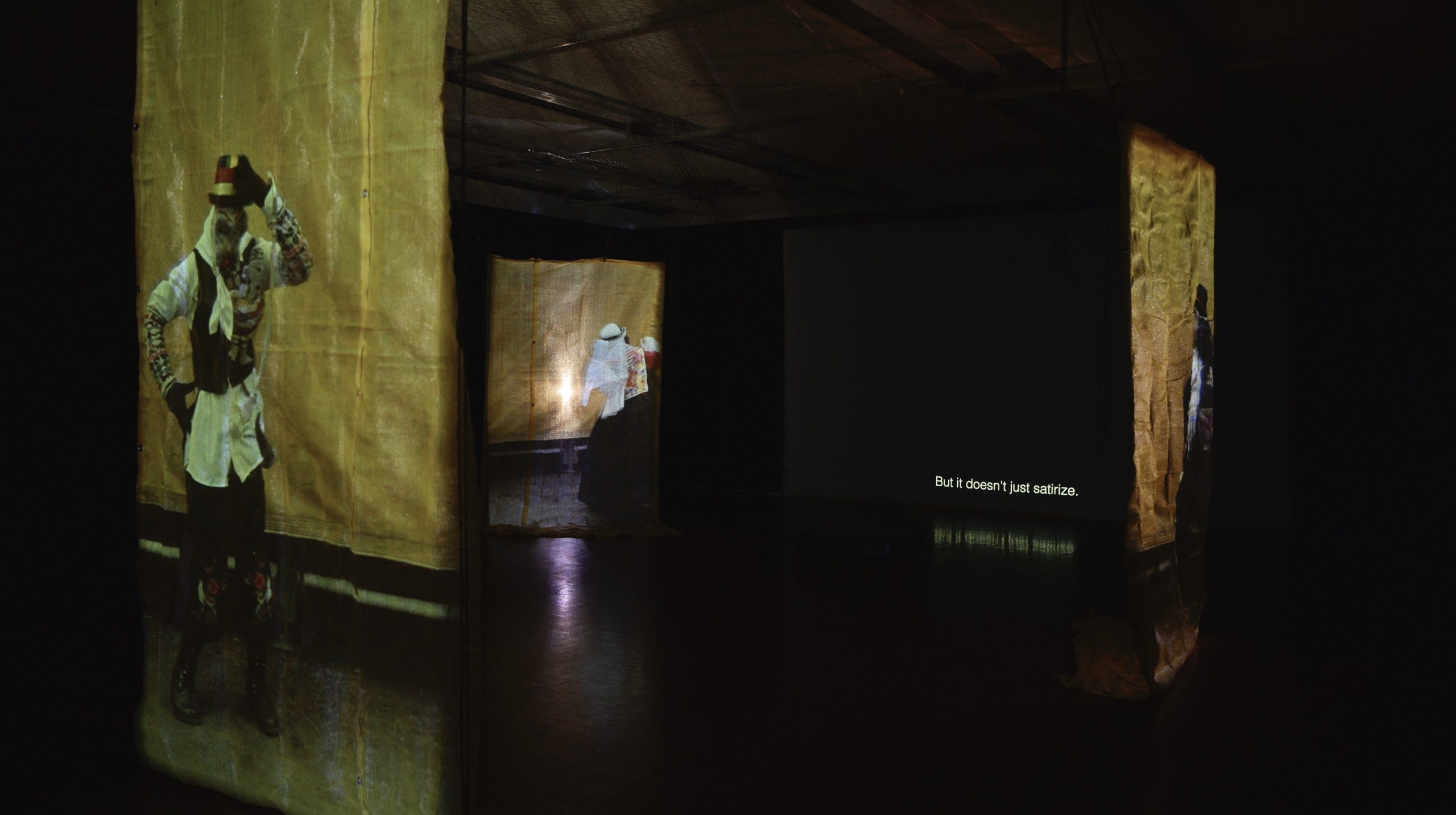
Swiss-Peruvian artist based in Bern, working with images ranging from fine art to video installation. Her research explores questions of memory, identity, and cultural transmission, examining how personal and collective identities are carried, embodied, and reshaped over time.
Having grown up immersed in Andean culture through traditional Peruvian dance, she has developed a keen awareness of how heritage is experienced, performed, and passed on. Her creative process involves assembling various elements, including images, sound, movement, and spatial components, to create personal narratives and visual interpretations of thoughts, memories, and emotions.
Her master’s research focuses on “Llaky”, a Quechua word used to describe a negative emotional state, a kind of melancholy unique to the Andean region. Building on this, she explores collective memory and cultural identity, as well as other regional issues, such as social structures inherited from colonization.

Carmel Keane
Les recherches de Carmel Keane s’ancrent dans des problématiques sociologiques et féministes, en dialogue avec des questions liées à la subjectivité, au deuil et aux structures de pouvoir. Son travail explore la manière dont l’intime devient un espace politique et comment les récits personnels peuvent révéler des dynamiques collectives. Artiste et autrice, elle développe une pratique à la croisée de la photographie argentique, de la vidéo, de l’installation et de l’écriture poétique. Elle envisage l’image et le texte comme des outils d’analyse permettant de mettre en tension visibilité et effacement, exposition et protection. En 2024, elle a présenté son mémoire intitulé Journal Extime, qui explorait la notion d’« extimité », définie comme « le désir de rendre visibles certains aspects de soi jusque-là considérés comme intimes ». Inspiré par Annie Ernaux, ce travail reliait son récit autobiographique à des thèmes tels que la photographie amateur, les albums familiaux, la psychogénéalogie et l’héritage, tout en interrogeant leurs dimensions sociales et politiques. Elle travaille actuellement sur un recueil de poésie intitulé Arte Survie ainsi que sur un projet d’installation vidéo féministe, Zone Grise.