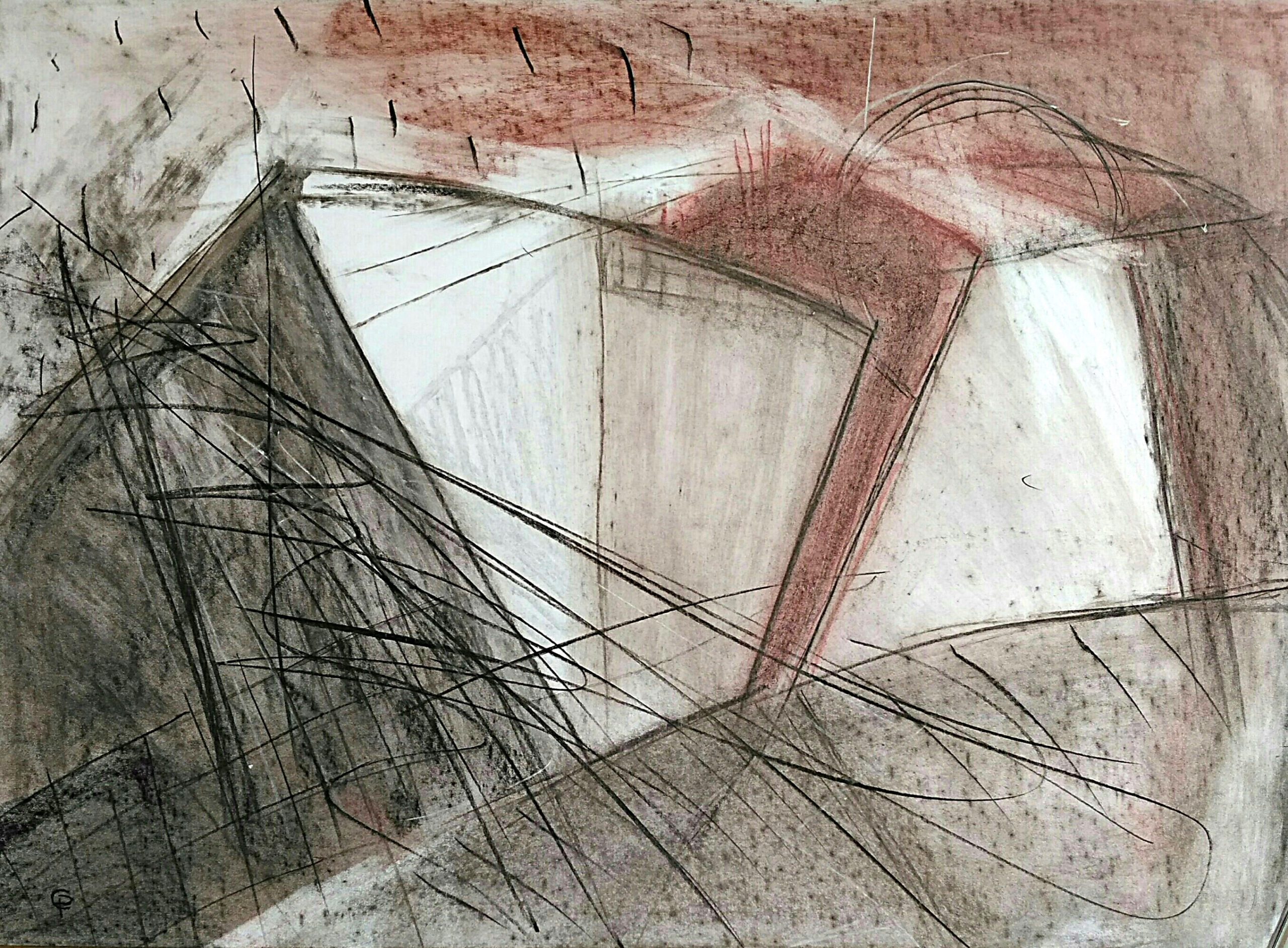
Dans ma démarche artistique, les thèmes retenus de mes œuvres apparaissent au fur et à mesure de mon actualité. Je dirais que les thèmes me trouvent. Pour peindre et dessiner, j’en extrais librement des ambiances ou des sujets. Certaines de mes œuvres s’inspirent de paysages naturels, jardins ou lieux urbains, de plans translucides, d’autres sont ancrées à des textes bibliques, poétiques ou philosophiques comme les villes invisibles, etc. Au départ il s’agit de libérer mon travail des contraintes iconiques. Des structures ou des architectures ou des paysages ne doivent pas concurrencer l’expression. Il me faut les déformer pour qu’elles deviennent des supports à la suggestion ou à des formes libres, structurées ou destructurées. Dans mes compositions en couleurs ou monochromes des figures apparaissant par les jeux entre le trait, l’effacement, le vide et la densité de matière. Selon le travail et l’inspiration, elles sont voulues comme des synthèses d’images ou des traces. Dessins ou peintures sur toile, ces œuvres comportent souvent des éléments eau et terre, air et feu. L’imitation du réel, toutefois sans la rejeter, reste secondaire. Par delà l’évocation, il y a la contemplation. Arrêtez la faute. Mettre du silence… Le sujet devient alors abstraction. Toute narration disparaît pour faire place aux signes et à la lumière.
Pratiques : Dessin
Claire Morgan
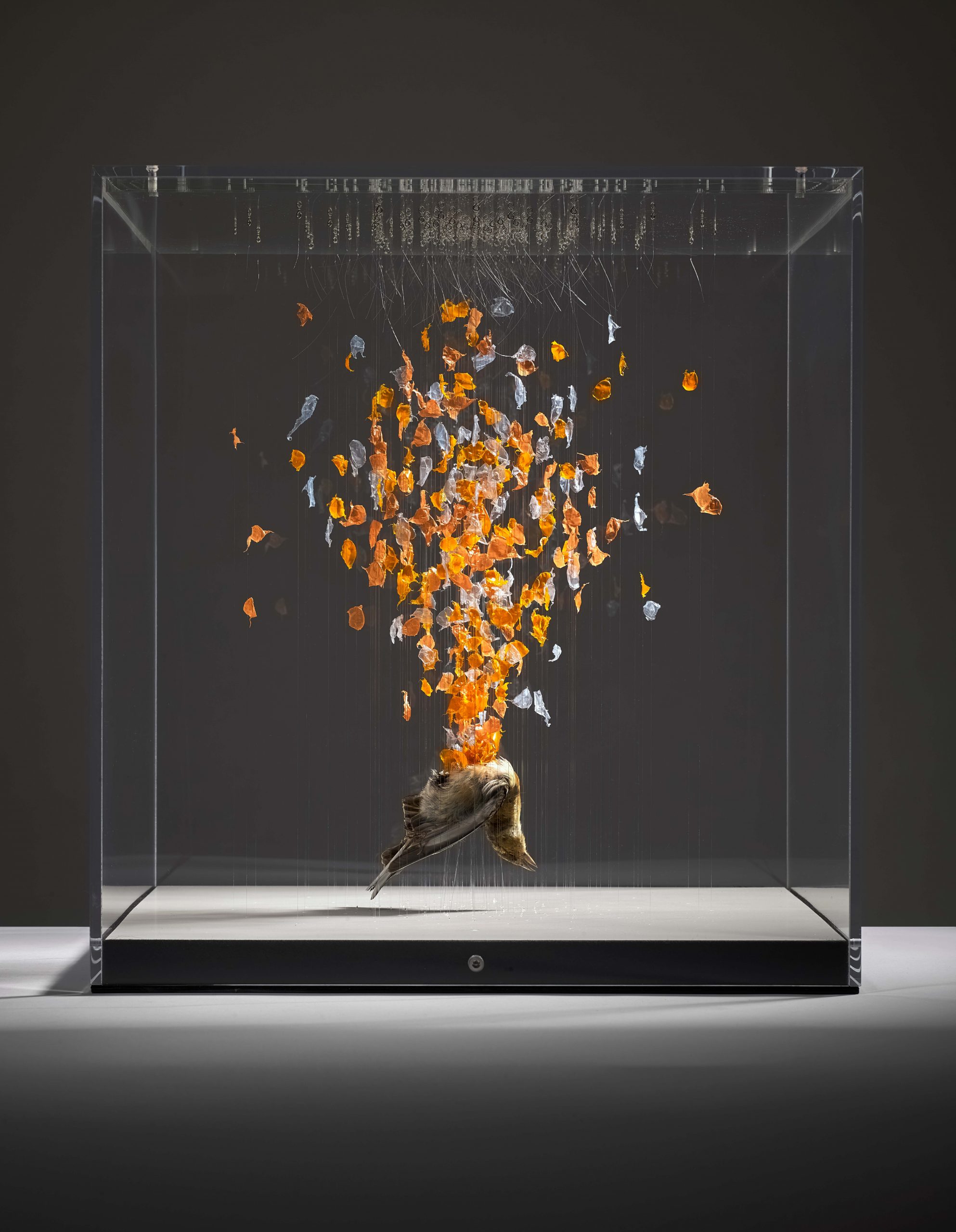
Humans are animals. Our intellectual dislocation from the landscape that sustains us is fuelled by the narratives we construct to distance ourselves from mortality and natural cycles. We behave as individual entities with fixed identities, but the reality is less clear. I am intrigued by those simultaneous senses of spiritual communion and unpalatable intrusion that come about through awareness of our connectedness, and of our vulnerability. My work explorations memory, grief and kinship, and the way that stories can shape identity. I use formal and material means to probe the inherent violence of the patriarchal, colonial systems that form so much of the basis of contemporary life. This has a cathartic function and slows that violence down, drawing from it a strange power and transformative potential. There is a desperate need to reimagine the relationships humans have with other species and with the planet. I want to delve into places where divisions blur between history and nature, the personal and the political. A boundary is not merely a dividing line, but a point where a transfer of energy might occur. The possibility of a spark.
Juliette Lepage Boisdron
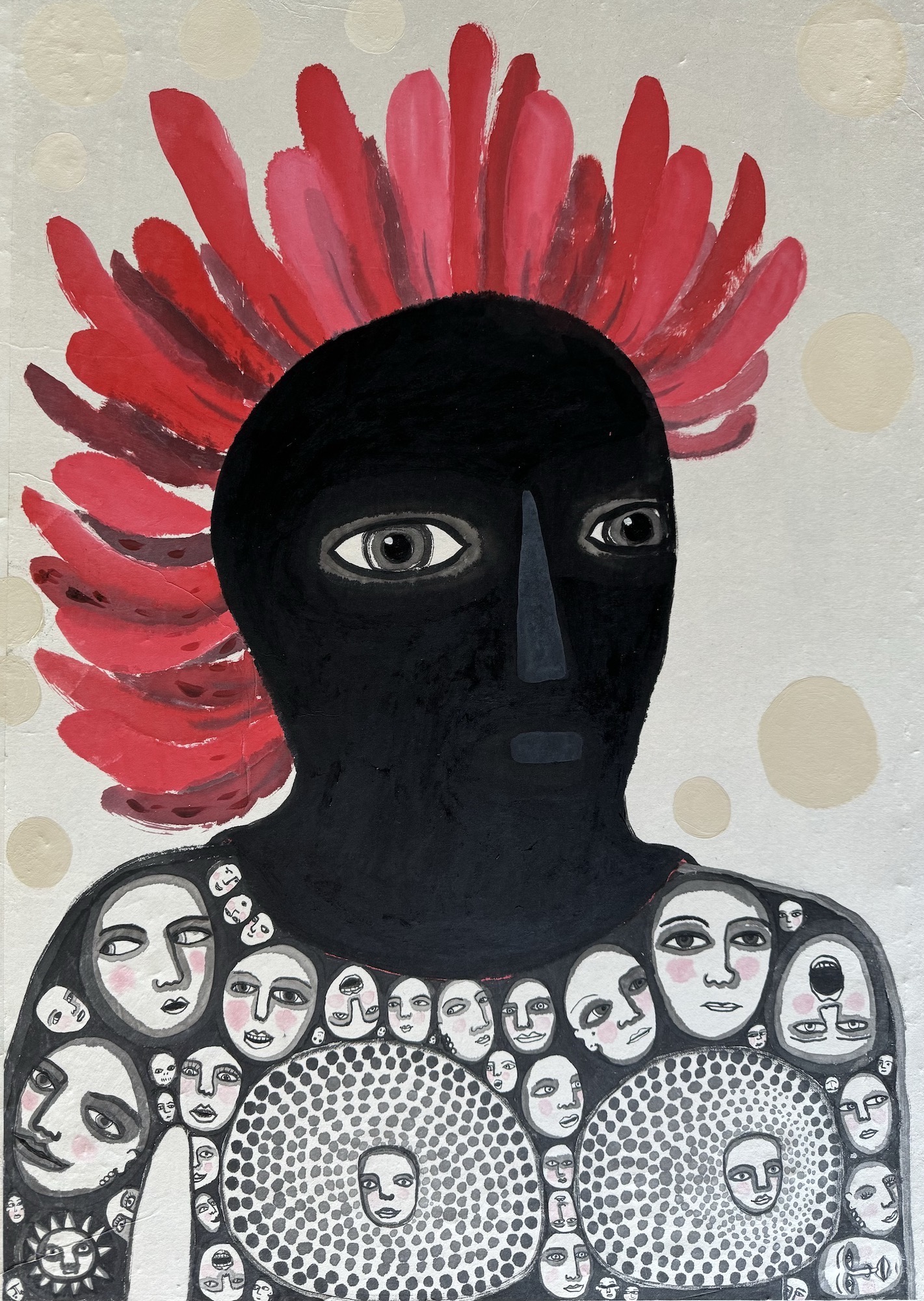
Mon travail parle surtout de la place des femmes dans la société, et plus particulièrement celle des mères. A la fois puissantes, créatrices, elles sont aussi souvent effacées et vulnérables. À travers mes dessins je cherche à représenter un espace intime et universel, fait de transmissions, souvent silencieuses, parfois lourdes, qui façonnent nos vies dès notre naissance. La nature est aussi au cœur de mon travail. Plantes, insectes, cactus, bien sûr ils évoquent notre rapport á notre environnement, mais je les vois aussi comme des symboles : ils évoquent à la fois la force et la fragilité, ils rappellent les cycles de la vie, ce qui grandit, résiste, change ou disparaît, à l’image des liens invisibles qui traversent les générations. Mon geste est instinctif, parfois répétitif. Je dessine directement à l’encre, sans croquis préalable, surtout sur le papier de riz, où la moindre hésitation laisse sa trace. Les formes restent souvent incomplètes, déséquilibrées, flottantes. J’aime cette imperfection : elle révèle ce que l’œil ne voit pas, les forces discrètes, les fragilités, les présences invisibles qui habitent le monde.
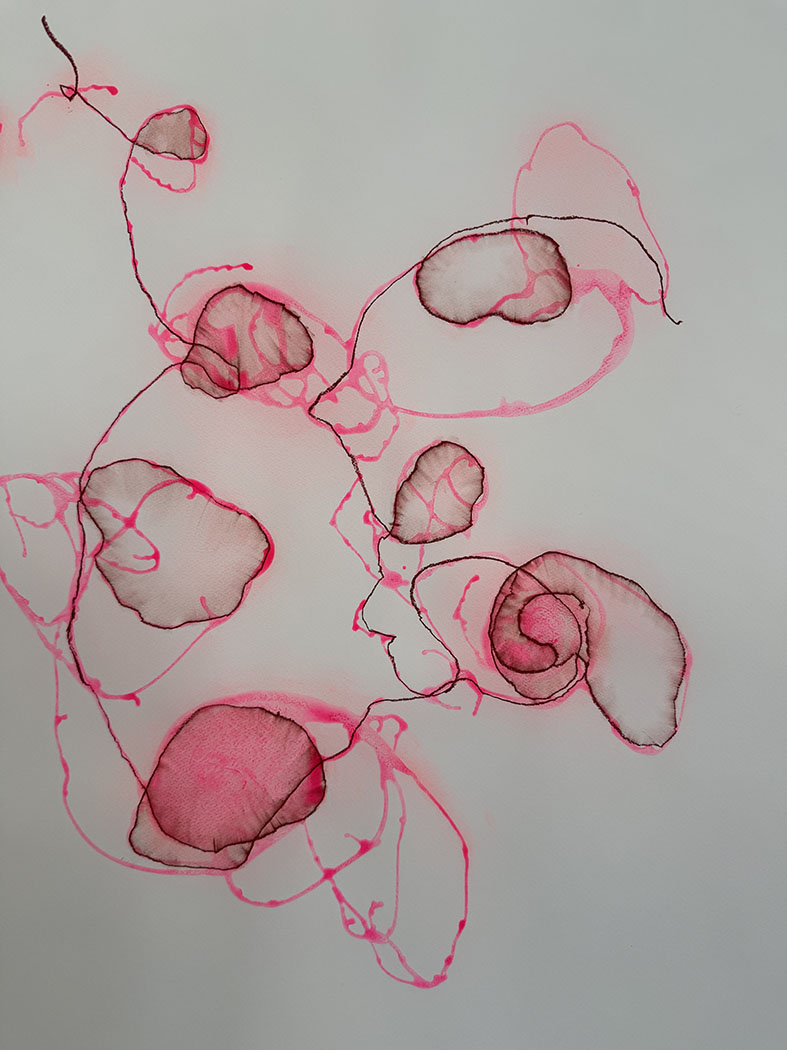
Daniela Beck
Daniela Beck ist bildende Künstlerin. Sie lebt und arbeitet in Basel. Ihre Bildsuche geht oft über die Bewegung und den gelenkten Zufall. Materialexperimente bewegen sich zwischen Zeichnung und Malerei. Mit ihren Assemblagen aus Textilem erörtert sie innere und äussere Räume. Der Körper bildet den Ausgangspunkt.
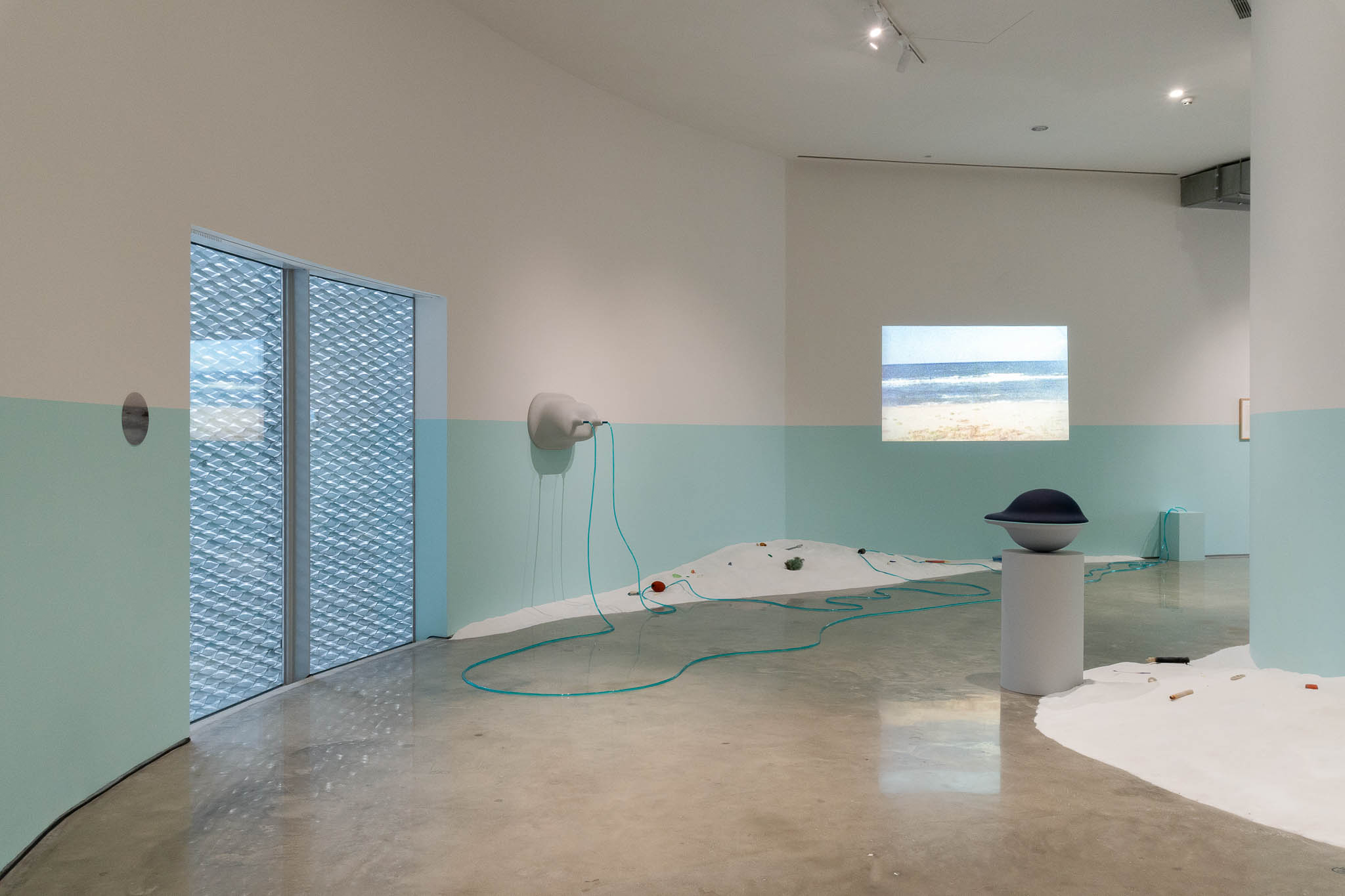
Yuya Suzuki
Focusing on the intermediate zones within urban environments—those between the private and the public, and between the artificial and the natural—Yuya Suzuki extracts symbolic images through the process of drawing, based on the forms of “residues” generated by the interactions among urban metabolism, natural forces, and human consumption. Using these as the foundation of his own visual language, he employs various media—including sculpture, video, painting, and kinetic objects—to reconstruct the real world through mixed-media installations.
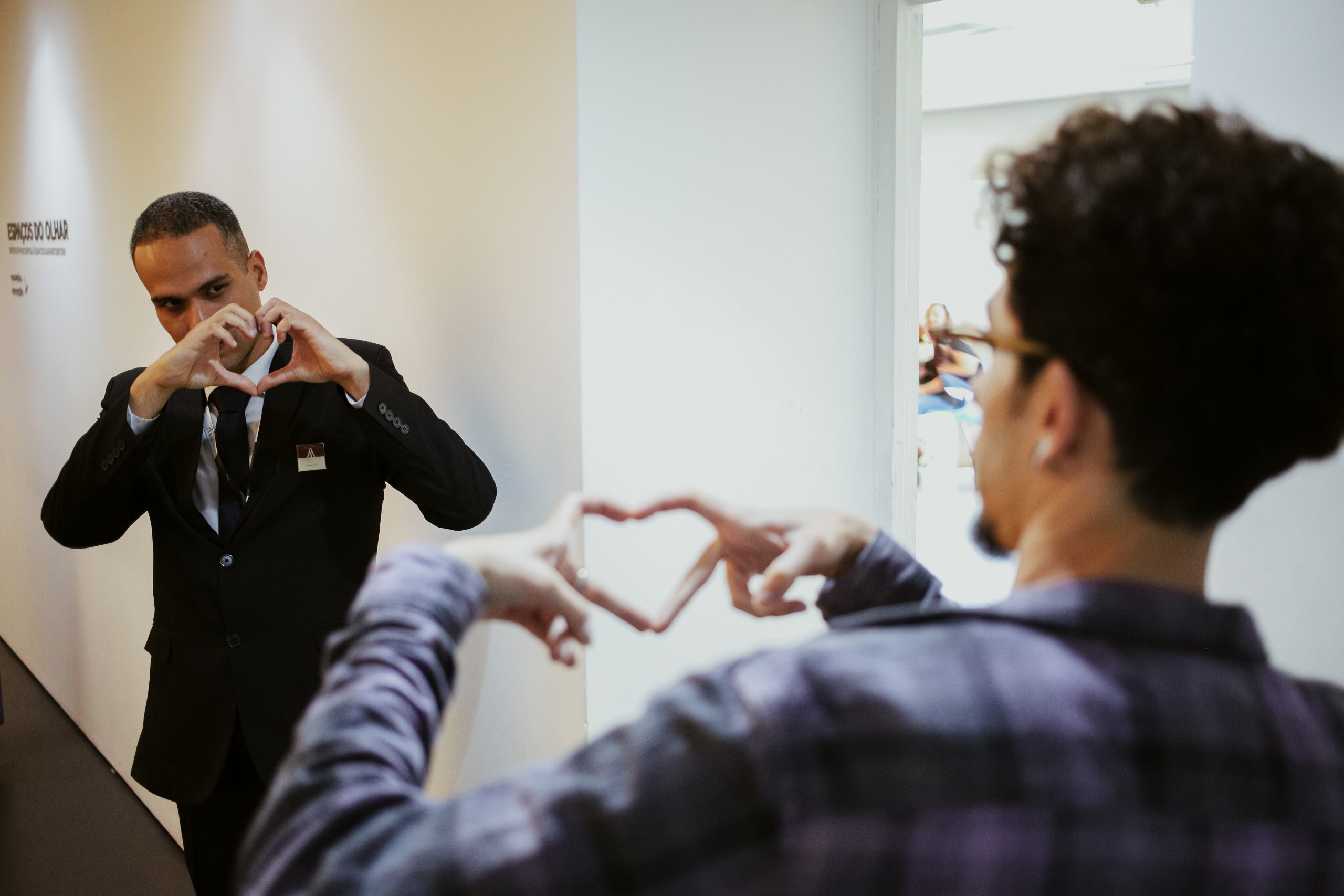
Amador Antonio
Amador e Jr. Segurança Patrimonial Ltda. [Amador and Jr. Patrimonial Security Ltd.], performative proposals developed by Antonio Gonzaga Amador and Jandir Jr., carried out in art institutions by the artists themselves dressed in security uniforms. The central problems arise from the relation between institutions like these and the people who work in their safeguards on a daily basis.
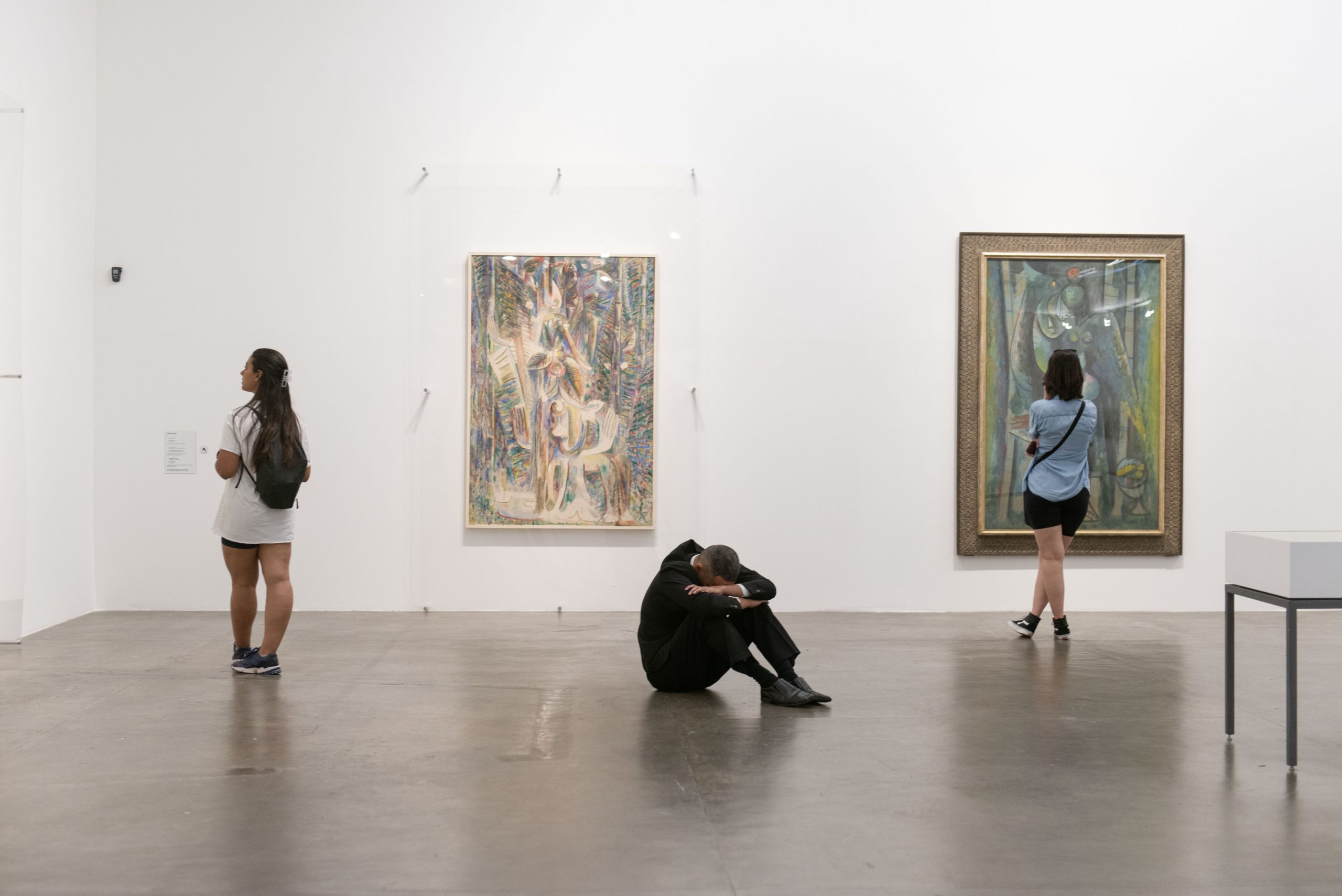
Jr. Jandir
Amador e Jr. Segurança Patrimonial Ltda. [Amador and Jr. Patrimonial Security Ltd.], performative proposals developed by Antonio Gonzaga Amador and Jandir Jr., carried out in art institutions by the artists themselves dressed in security uniforms. The central problems arise from the relation between institutions like these and the people who work in their safeguards on a daily basis.
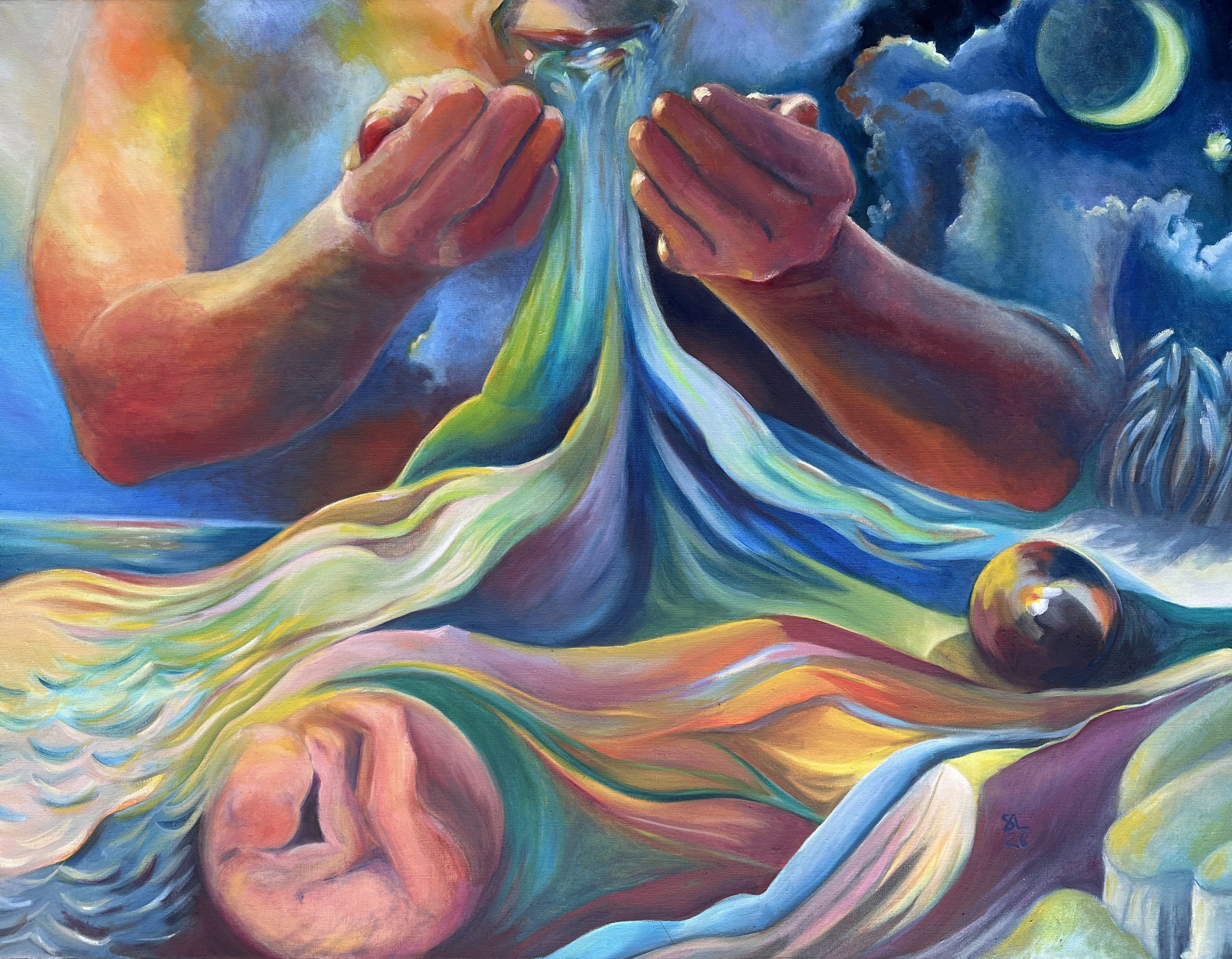
Sibylle Laubscher
“We need art that shows us beauty, taking us by the hand like a friend.”
Sibylle Laubscher (CH/UK, *1971) is a painter and printmaker playing with light, form and movement from her studio in Switzerland, near Basel. She believes in the power of dreams and enchantments, feeling called to create new worlds containing wonder, joy and purpose. Worlds allowing the viewer to dream, offering hope in a time of crisis.
Her work seeks to uncover the numinous and reveal beauty. She believes in creating art that feels alive – inviting the viewer into a relationship, like an intimate conversation with a friend. Through her fascination with colour as light, form as space, movement as expression, and the spirit of play, her poetic-expressionist style opens a dialogue with anyone who engages with her work.
Sibylle believes in the connection of reading, drawing and painting. She approaches her art as a means of self-expression, often finding refuge in the act of creation. Since studying textile design, her love of printmaking has reignited. She is convinced of the power of the handmade: “art is made by people for people”, she insists. She believes art is vital to our wellbeing – a necessary form of human expression, and a life-sustaining force.
Nature and practice of drawing are central to her artistic exploration, alongside a deep engagement with art philosophy, myth and fairy tale. Exploring themes such as womanhood and the environment, her work exudes an open and atmospheric quality.
Petra Keinhorst
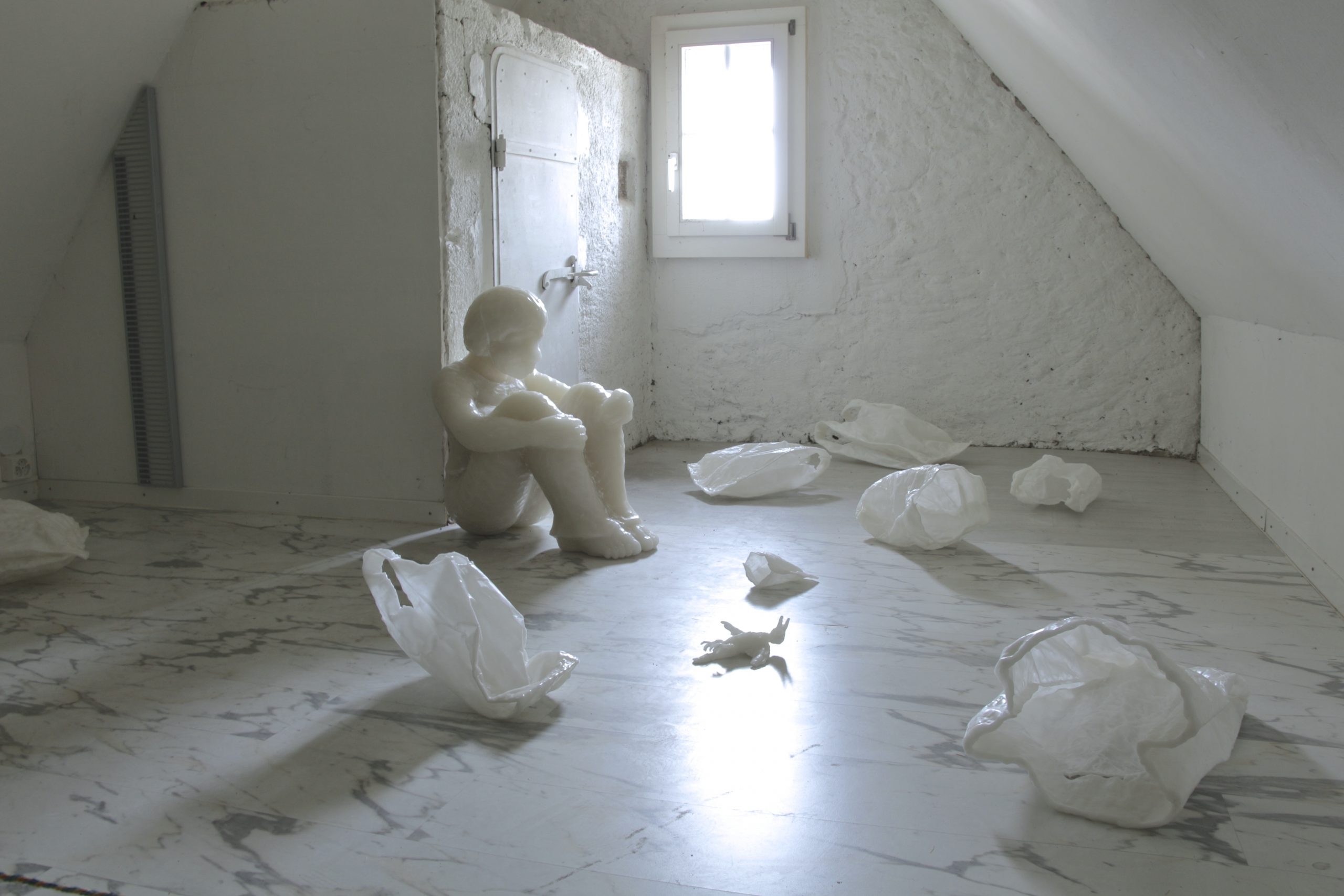
Petra Keinhorst works in site-specific installations, sculptures, and drawings. Her three-dimensional work largely comprises of hard paraffin wax sculpture projects. She melted a first public sculpture in 1999 and has been re-using the material since, re-melting it again and again. Through carving, forming or casting, work and material constantly transform anew.
Living in South Africa for many years has influenced her motives – moving toward works that look at the social and environmental impact of our activities on this planet. The beauty of the hard paraffin wax that at times becomes partially translucent is alluring, despite confronting us with what we don’t like to see. Her two dimensional works seem similarly beautiful and fragile at first, until one realizes their meaning.
————————————————————
Petra Keinhorst arbeitet in raumbezogenen Installationen, Skulpturen und Zeichnungen. Seit vielen Jahren meist mit immer demselben Material Hartparaffin. Eine erste öffentliche, grosse Skulptur hat sie damals wieder eingeschmolzen – seither sind daraus über Neuguss und Wiedereinschmelzung viele neue Werke entstanden.
Die Arbeiten entstehen klassisch bildhauerisch gehauen und geschnitzt aus zuvor gegossenen Blöcken, oder frei getaucht und geformt, oder auch abgeformt im Negativguss.
Die entstandenen Skulpturen erleuchten im sonnigen Gegenlicht halb transparent, mit einer harten und oft glänzenden Oberfläche. Die Konturen erscheinen weicher als sie tatsächlich sind und scheinen sich im Licht visuell teils aufzulösen.
Die Werke entziehen sich uns damit, obschon wir uns haptisch über das Material so angezogen fühlen. Sie erzeugen in Räumen eine atmosphärische Stimmung, die selbst im Aussenraum platzierte Objekte noch ausstrahlen.
Die Künstlerin lebte ein Jahrzehnt lang in Südafrika. Die Thematik ihrer Arbeiten hat sich, davon beeinflusst, verändert und seither entstandene Werke sind oft mehrteilige Installationen welche die Auswirkung unserer Aktivitäten auf diesem Planeten thematisieren. Während frühere Arbeiten oft eine bestimmte melancholische oder atmosphärische Stimmung intendierten, zeigen neuere Arbeiten eine formelle Brüchigkeit welche auf die Problematik unserer Zeit teils symbolisch oder konkret hinweist.
Der Prozess des Wiedereinschmelzens und Neubearbeiten des Materials ist dabei eine kontinuierliche Verwandlung von ephemerer Qualität.
Gaby Fust
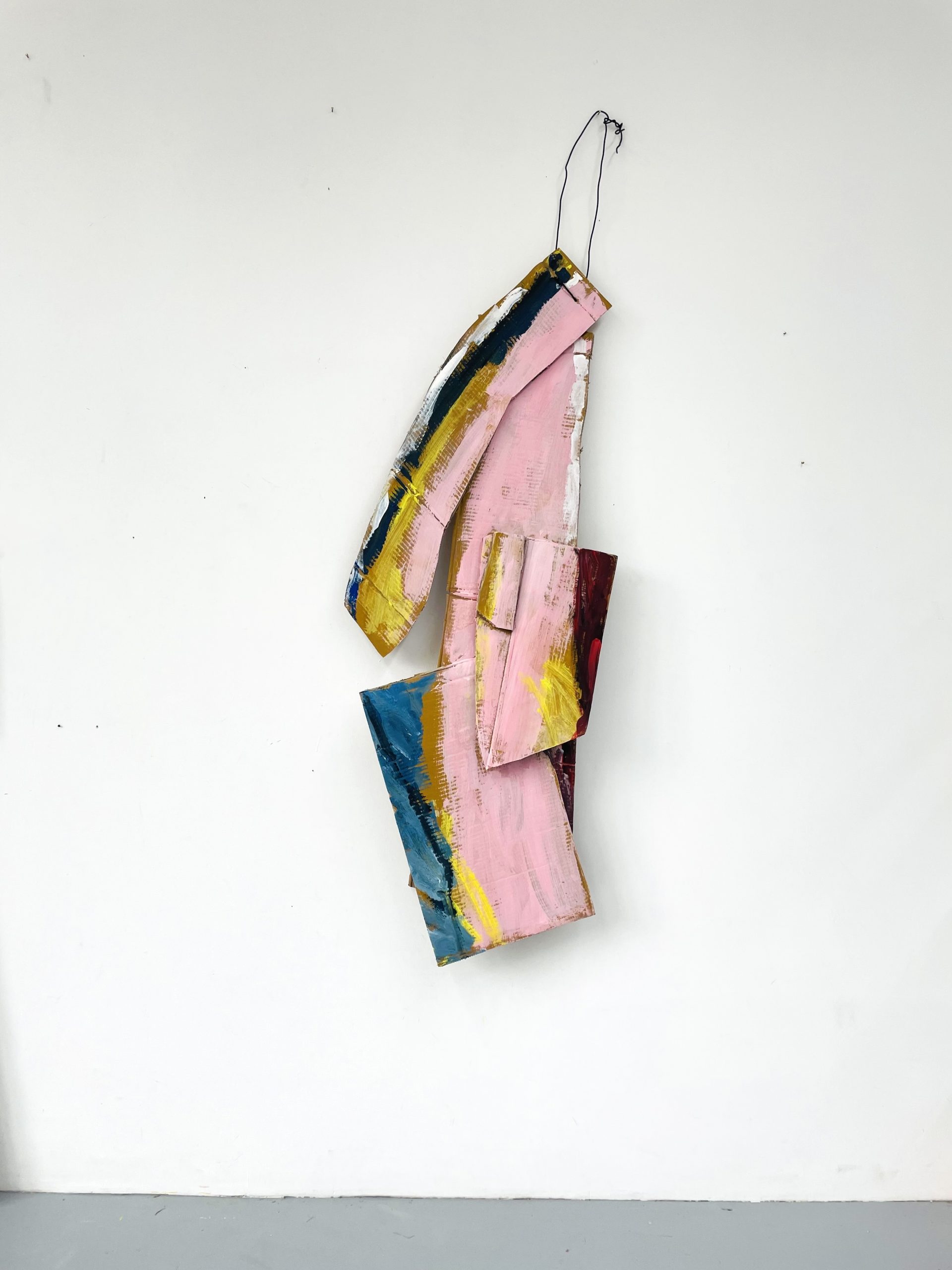
Als ausgebildete Tänzerin, Tanzlehrerin und Choreografin folgte Gaby Fust ihrer zweiten Passion der bildenden Kunst. Sie lebt in Basel und ist Teil der «Hafenateliers Birsfelden». Diese befinden sich an der Rührbergstr. 21 in Birsfelden. Ihr Atelier mit der Nr. 247 befindet sich im 2. Stock. Vom Tanz zur Materie: Ihr Hintergrund im Tanz prägt ihren künstlerischen Prozess massgeblich. Sie arbeitet vorwiegend mit alltäglichen Materialien wie Karton, dabei entstehen skulpturale Objekte die meist Malerei und Zeichnung beinhalten. Die Kombination aus gemalten Oberflächen (Gouache/Acryl) auf robustem Karton erzeugt einen spannenden Kontrast zwischen Fragilität und Stabilität. Vom Tanz zur Form: Der künstlerische Prozess zeigt Parallelen zum Tanz. Der Körper im Raum, Emotionen und Präsenz.